
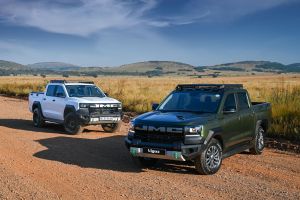
New JMC Vigus will make an impression
Following the official brand re-launch by the Salvador Caetano Group, JMC South Africa announce the arrival of the All-New JMC Vigus.
- Product News
- 17 April 2026
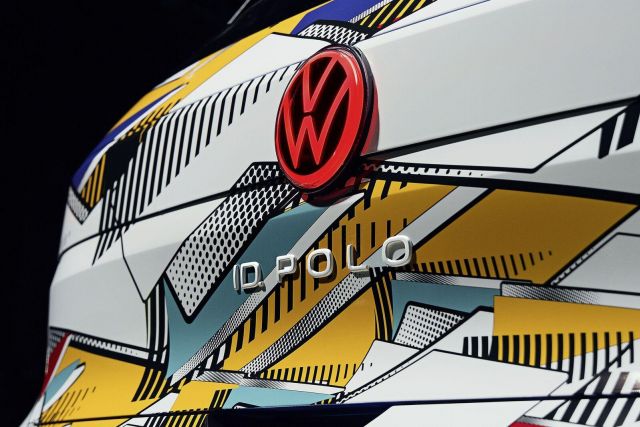
Volkswagen is abandoning its separate electric vehicle naming convention, opting instead to align its battery-electric models with established combustion engine nameplates. The German automaker announced that the strategy shift would begin with the ID Polo, set to debut in 2026.
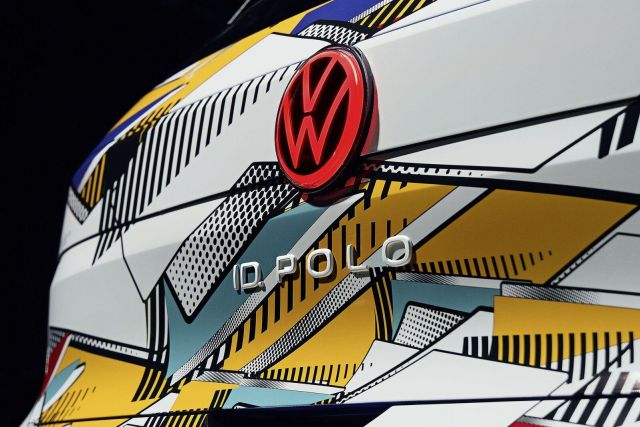
The move represents a significant departure from VW's previous approach, which launched in 2018 with the ID.3 compact hatchback. The "ID" designation was originally conceived as a distinct identifier for the brand's electric portfolio, symbolising advanced technology and zero-emission mobility.
Thomas Schäfer, Volkswagen brand CEO, emphasised the strategic reasoning behind the change in a 3 September statement: "Our model names are firmly anchored in people's minds. The ID Polo is just the beginning."
The transition will see VW's electric vehicles adopt the names of their closest internal combustion engine counterparts based on size and market positioning. The Polo nameplate, which has been in continuous production since 1975, will now span both powertrains as VW maintains parallel ICE and BEV offerings during the transition period.
Currently, VW's ID range encompasses vehicles from the compact ID.3 through the executive-class ID.7, roughly equivalent to the Passat in traditional VW hierarchy. The automaker indicated that future model generations would systematically adopt this unified nomenclature approach.
VW cited customer clarity as the primary driver for the naming consolidation, stating the decision would "help customers navigate the brand's product range more easily in the future".
Following the official brand re-launch by the Salvador Caetano Group, JMC South Africa announce the arrival of the All-New JMC Vigus.
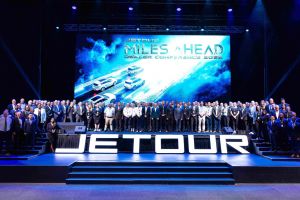
Jetour South Africa hosted its inaugural Dealer of the Year Awards on Tuesday night, bringing together its national dealer network of nearly 60 dealerships.
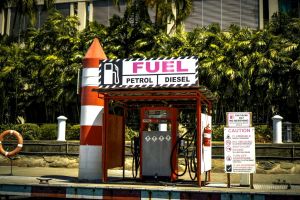
South Africa’s motorists and automotive sector are facing a fresh layer of uncertainty as the Middle East conflict continues to disrupt global oil markets, but for now the country’s fuel supply remains stable even as costs rise.
 Advertisement
 Advertisement
Have you ever noticed that anybody driving slower than you is an idiot, and anyone going faster than you is a maniac?
George Carlin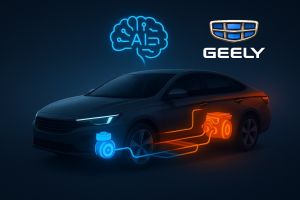
Geely Auto has lifted the curtain on a new hybrid technology that it believes can redraw the balance of power in a segment dominated for decades by Japanese brands.
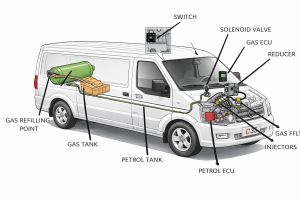
As fuel prices continue to place pressure on South African consumers and businesses, DFSK South Africa has introduced an LPG Autogas conversion solution aimed at reducing operating costs and improving vehicle efficiency across its petrol range.
Toyota Motor Corporation and Isuzu Motors are stepping up plans to bring hydrogen power into Japan’s light‑duty truck market, confirming a jointly developed fuel cell model scheduled for production in the 2027 financial year.