
Funky wheels: China’s big drive in South Africa
No, the Chinese are not coming to take over – they are already busy accomplishing it.
- Industry News
- 4 May 2026
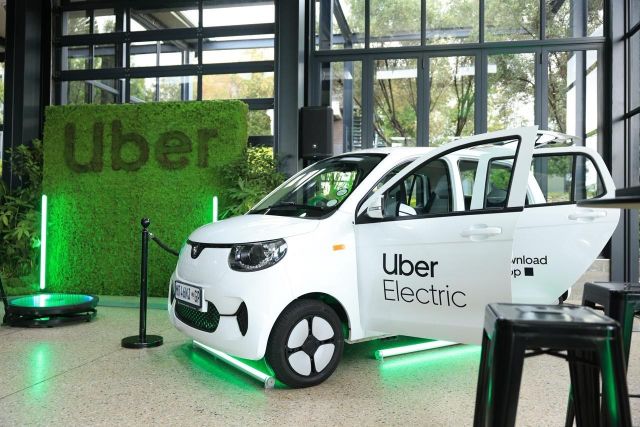
Uber announced the next phase of its low-cost mobility journey with the expansion of its Uber Moto product to include Uber Go Electric in South Africa.
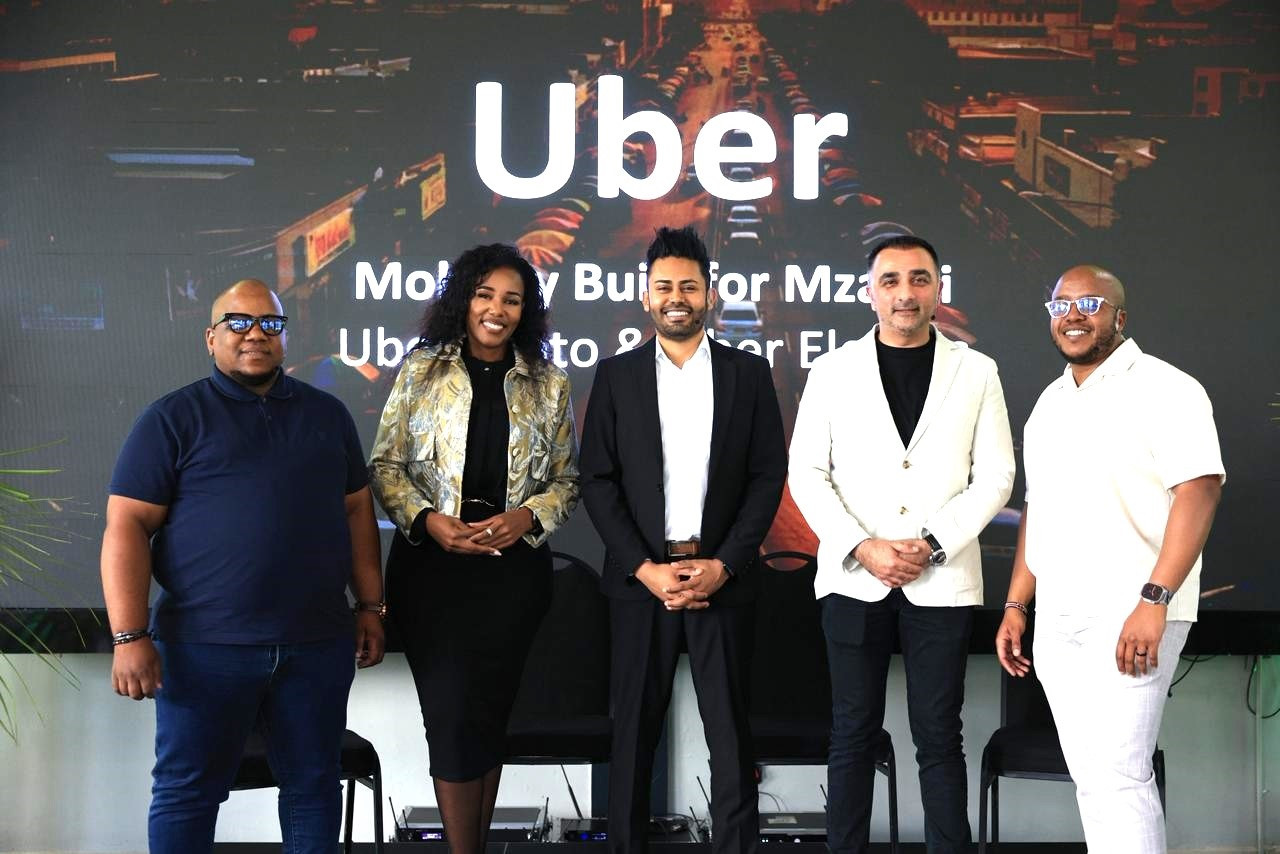
“As part of this next chapter, Uber Moto, which has grown from a small pilot into a trusted and affordable mobility option, completes thousands of trips each week across a vast area of Johannesburg. We are building mobility that reflects the realities of South Africans,” says Deepesh Thomas, General Manager for sub-Saharan Africa at Uber.
The Uber Moto product continues to address transport poverty by offering short, essential trips that help people reach work, education, healthcare and public transport hubs more affordably and reliably. The expansion demonstrates how low-cost mobility can create both access for riders and more predictable earning potential for drivers.
Uber Go Electric is now launched as its first fully electric product in South Africa, operated through fleet partner Valternative. The introduction of electric mobility at the most accessible end of Uber’s portfolio marks a significant step toward a product offering that is cleaner, more sustainable and more cost-effective for the people who power it.
It is intended that Uber Go Electric will improve the economics of earning by removing one of the biggest pressures on drivers: fuel costs. With lower operating expenses, fewer mechanical issues and more predictable running costs, it is expected that drivers can retain a greater share of their income and plan their work with greater confidence, Uber states.
Riders, in turn, benefit from quieter, more comfortable trips at an affordable price point, while cities gain from reduced emissions and congestion as electric mobility becomes more commonplace.
“Electric mobility becomes meaningful when it’s accessible,” said Mohamed Jeewa, CEO of Valternative. “By managing charging, servicing and fleet operations, we ensure drivers can adopt electric vehicles without carrying upfront risk.
“We also remove the friction of daily cash flow that is required by providing an all-inclusive ecosystem. It is our intention that all of this leads to riders and drivers being able to increase their nett earnings. Electrifying fleets in SA is one of the most rewarding journeys for our business,” he says.
Uber says its progress across accessible and electric mobility is supported by complementary partnerships that reflect the realities of South Africa’s transport landscape. Through Valternative, Uber brings electrification to drivers in a way that is financially practical. Through Africa Moova, a collective of local taxi associations, Uber taps into deep community networks and on-the-ground expertise.
“From the expansion of Uber Moto to the launch of Uber Go Electric, Uber is investing in mobility solutions designed for the way South Africans really move,- solutions that support livelihoods, strengthen communities and contribute to cleaner, more inclusive cities. Our goal is simple,” says Deepesh Thomas: “To build mobility that is accessible, sustainable and proudly built for Mzansi.”
No, the Chinese are not coming to take over – they are already busy accomplishing it.

Motorists and households already under pressure will have to dig deeper into their pockets yet again from Wednesday, with sharp fuel and energy price hikes taking effect across South Africa.

Marcia Mayaba, Commercial Director at Dunlop Tyres South Africa, has been recognised as the top achiever at the recently held Woman of Stature Awards South Africa.
 Advertisement
Advertisement
Advertisement
You can't buy happiness but you can buy cars and that's kind of the same thing.
Unknown
Zero Carbon Charge (CHARGE) welcomes the government’s extension of short term fuel levy relief measures aimed at cushioning consumers from rising fuel prices, but cautions that these interventions do not address the underlying structural challenge facing South Africa’s transport economy.
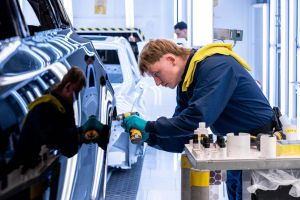
Volvo Cars has started building the fully electric EX60 at its Torslanda factory outside Gothenburg, with first customer deliveries due in early summer.
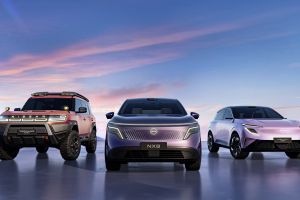
At Auto China 2026, Nissan unveiled two new NEV SUV concept cars, in its accelerated product rollout. It also highlights China’s role as one of the company’s lead markets and a global innovation and export hub, according to Nissan.