
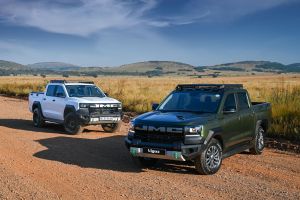
New JMC Vigus will make an impression
Following the official brand re-launch by the Salvador Caetano Group, JMC South Africa announce the arrival of the All-New JMC Vigus.
- Product News
- 17 April 2026
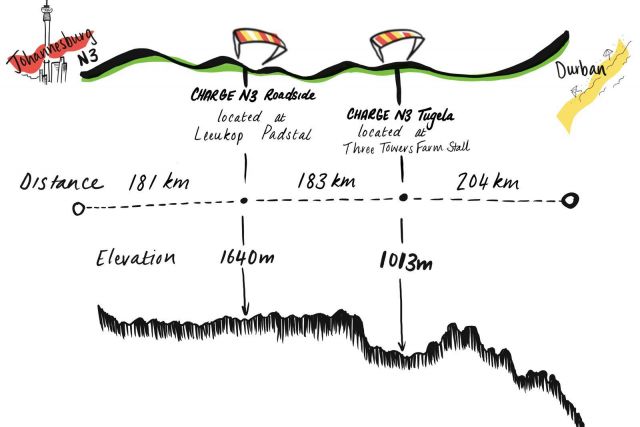
Zero Carbon Charge (CHARGE) reached a major milestone in South Africa’s electric mobility transition with breaking ground for two off-grid, solar-powered ultra-fast EV-charging stations along the N3 corridor.
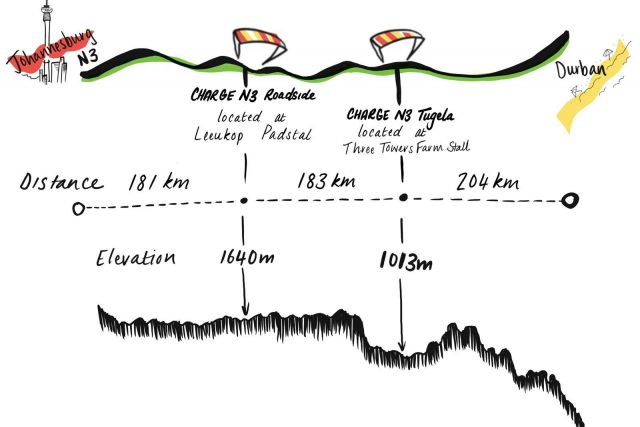
The first, CHARGE N3 Roadside in the Free State, is approximately 180km from Johannesburg, and CHARGE N3 Tugela in KwaZulu-Natal, is just over 180km from the Roadside site and around 200km from Durban.
These will be the first fully off-grid, solar-powered ultra-fast EV-charging stations on the N3, ensuring reliable, fast charging on one of the country’s busiest and most important transport routes, the company claims. Both sites form part of CHARGE’s national roll-out of South Africa’s first network of 120 off-grid EV-charging stations.
This milestone was made possible through an equity investment by the Development Bank of Southern Africa (DBSA), enabling construction to begin on CHARGE’s first N3 sites.
CHARGE Executive Chairman and Founder, Joubert Roux, says they are grateful to the DBSA for believing in CHARGE’s vision and providing the investment that has made these N3 sites possible. “We also pay tribute to our team, whose dedication and hard work have brought us to this momentous occasion. These first N3 stations represent the beginning of a national transformation, creating reliable, renewable and accessible charging for all South Africans.”
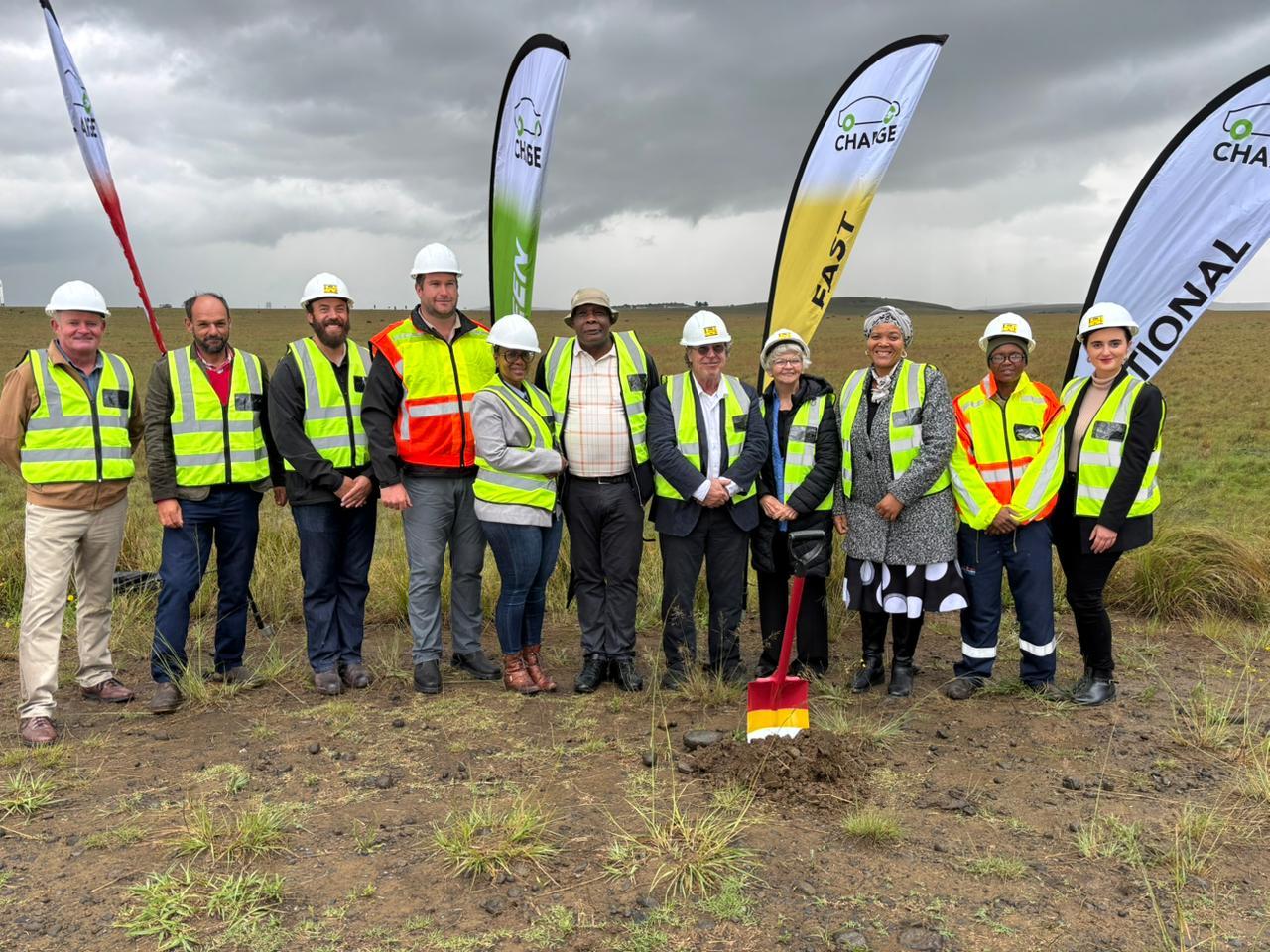
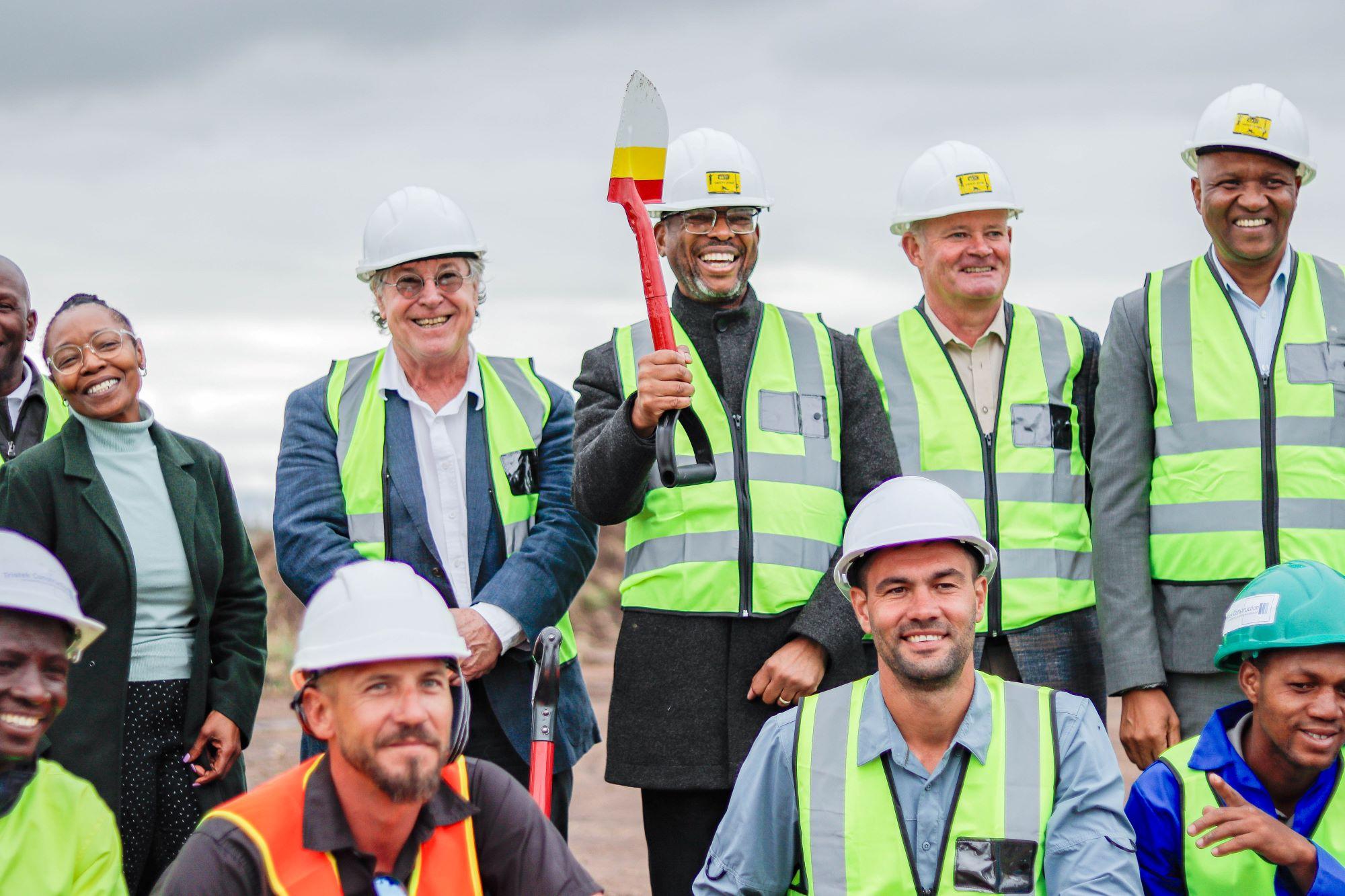
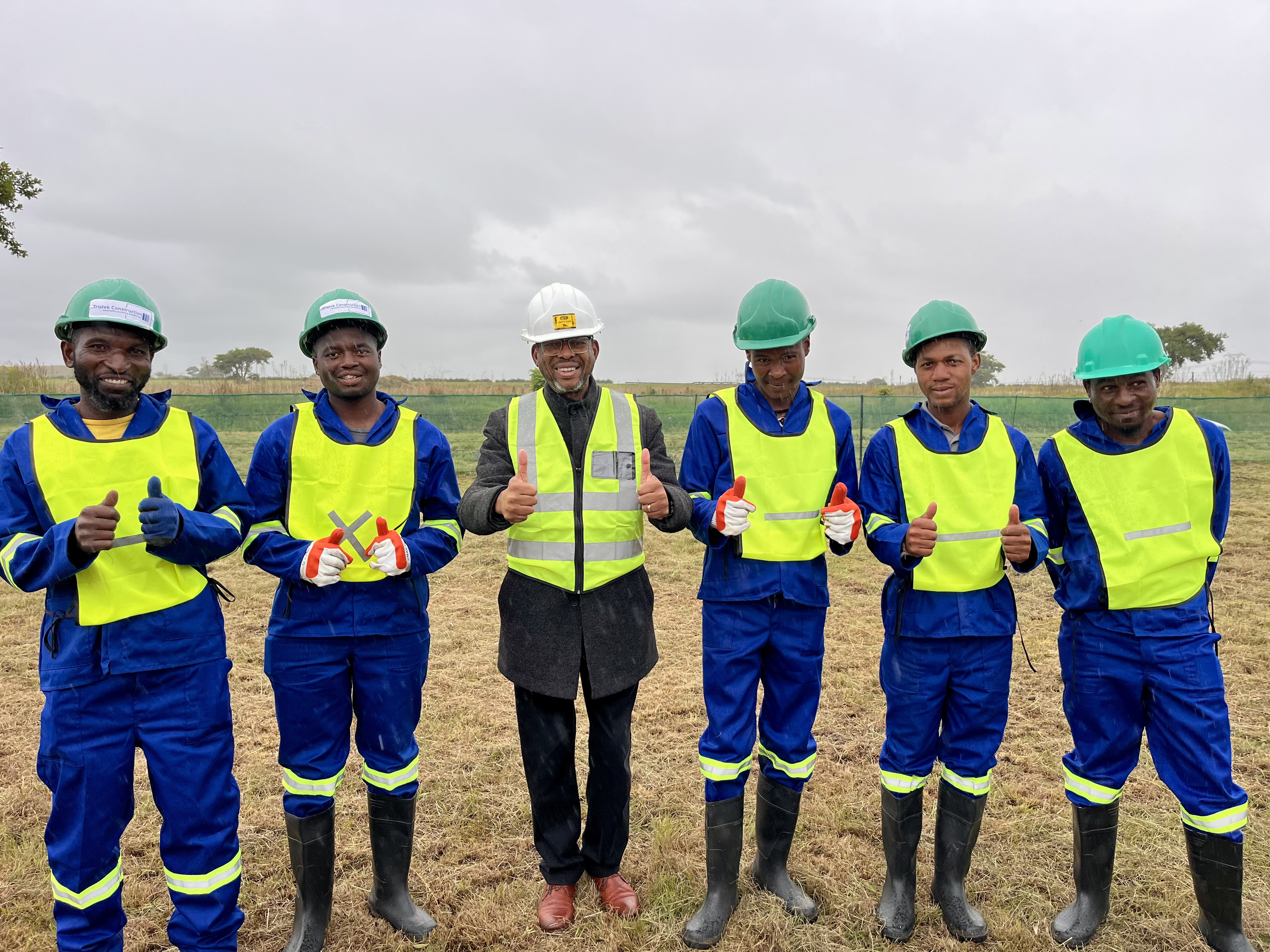
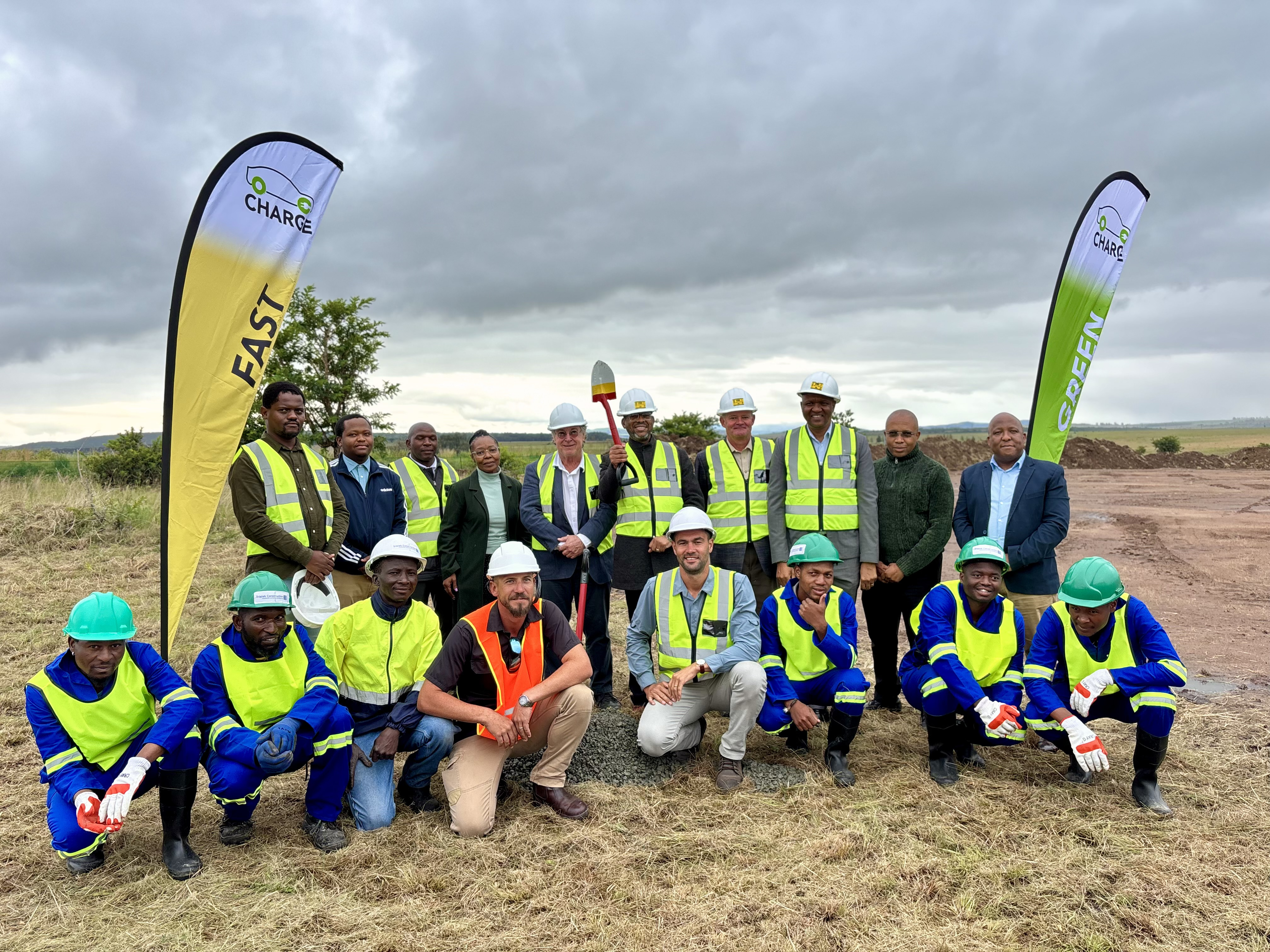
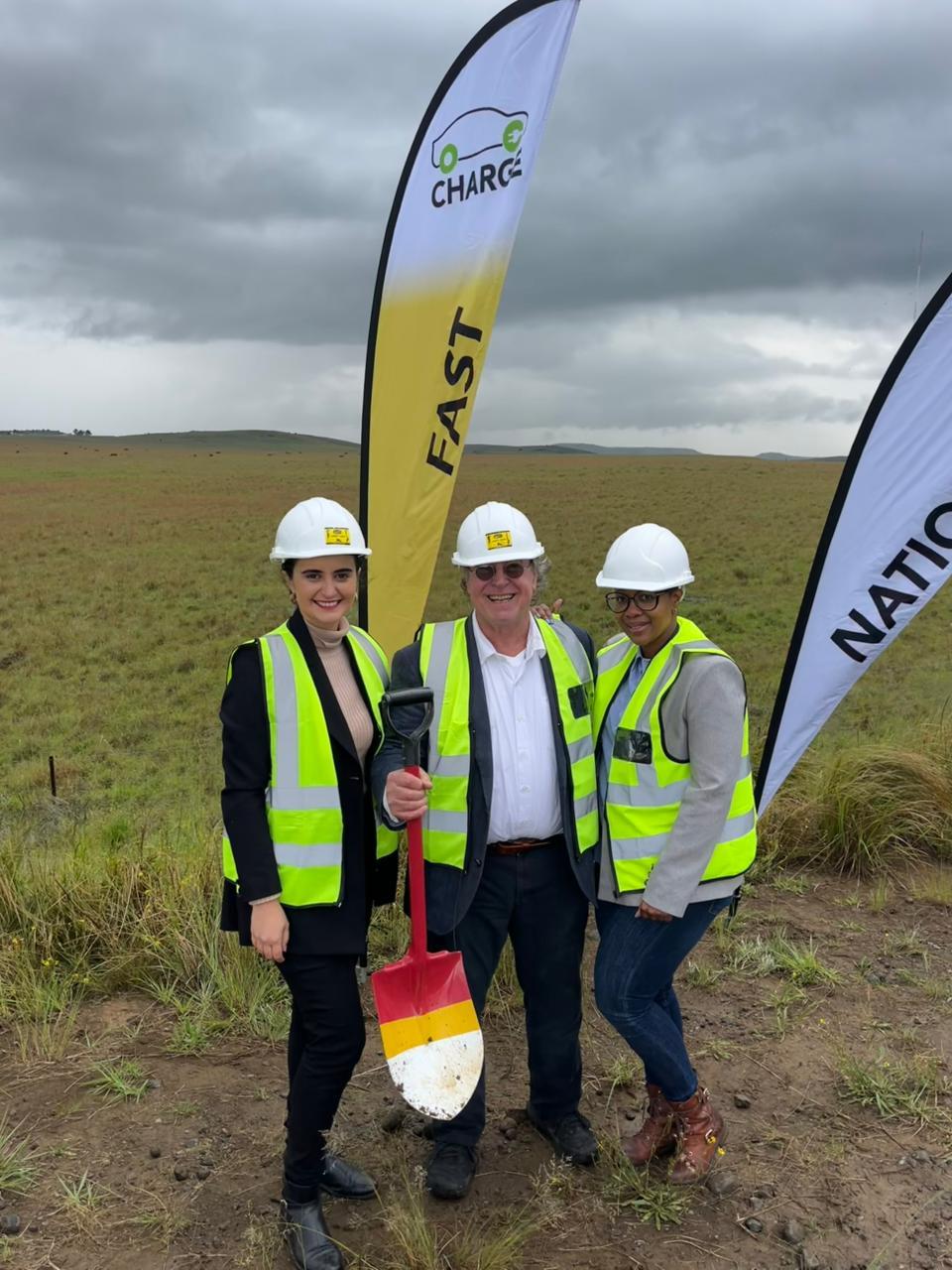
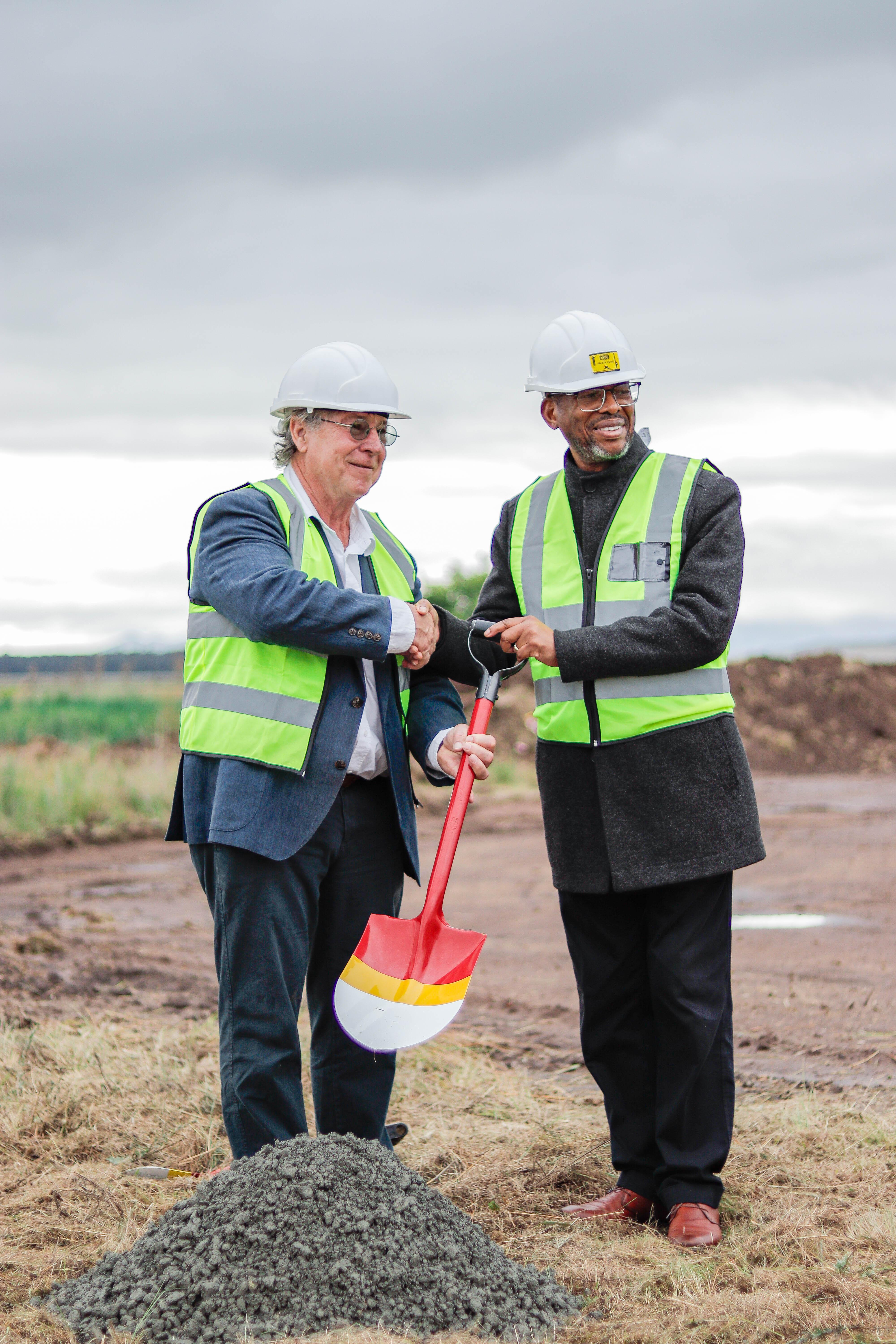
To commemorate the achievement, CHARGE hosted sod-turning ceremonies at both locations, attended by provincial leadership, municipal officials and national partners.
At the N3 Tugela event near Winterton, the ceremony was attended by the MEC for Economic Development, Tourism and Environmental Affairs (DETEA), MEC the Reverend Zondi; the CEO of Trade and Investment KwaZulu-Natal (TIKZN), Mr Sihle Mkondo; and representatives of the Okhahlamba Municipality.
The MEC, the Reverend Zondi, speaking at the CHARGE N3 Tugela sod-turning, highlighted the importance of this development for KwaZulu-Natal’s economic future by saying that the project demonstrates how green energy and green mobility can unlock new economic opportunities for the province. “The N3 is central to trade and tourism in KZN, and the arrival of fully off-grid, ultra-fast charging infrastructure shows our readiness to lead in the future economy. This is exactly the type of investment that creates jobs, builds capacity and strengthens our green industrialisation pathway.”
During the CHARGE N3 Roadside sod-turning in the Free State, CHARGE welcomed the MEC of DESTEA, Ketso Makume, and the Speaker of Phumelele Municipality, Topsy Roseline Zwane, with the support of representatives from the DBSA.
Commenting on the CHARGE N3 Roadside development, of DESTEA, MEC Ketso Makume, welcomed the project’s economic and environmental contribution: “By decarbonising transport along the N3, this project supports our provincial goals for a cleaner, more resilient economy. It brings construction and technical jobs into our communities and strengthens the Free State’s position in the emerging clean-energy value chain.”
Construction on both stations has officially begun and is expected to be completed in 2026. Once operational, the CHARGE N3 Roadside and CHARGE N3 Tugela stations will anchor a Johannesburg-to-Durban renewable-energy charging route, bringing South Africa closer to a cleaner transport future.
Following the official brand re-launch by the Salvador Caetano Group, JMC South Africa announce the arrival of the All-New JMC Vigus.
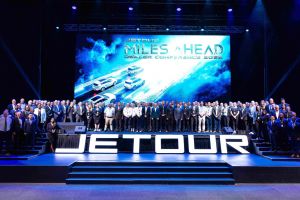
Jetour South Africa hosted its inaugural Dealer of the Year Awards on Tuesday night, bringing together its national dealer network of nearly 60 dealerships.
South Africa’s motorists and automotive sector are facing a fresh layer of uncertainty as the Middle East conflict continues to disrupt global oil markets, but for now the country’s fuel supply remains stable even as costs rise.
 Advertisement
Advertisement
Advertisement
Have you ever noticed that anybody driving slower than you is an idiot, and anyone going faster than you is a maniac?
George Carlin
Geely Auto has lifted the curtain on a new hybrid technology that it believes can redraw the balance of power in a segment dominated for decades by Japanese brands.
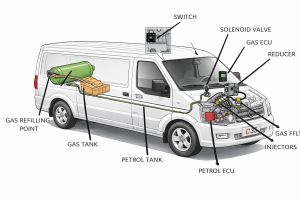
As fuel prices continue to place pressure on South African consumers and businesses, DFSK South Africa has introduced an LPG Autogas conversion solution aimed at reducing operating costs and improving vehicle efficiency across its petrol range.
Toyota Motor Corporation and Isuzu Motors are stepping up plans to bring hydrogen power into Japan’s light‑duty truck market, confirming a jointly developed fuel cell model scheduled for production in the 2027 financial year.