

New JMC Vigus will make an impression
Following the official brand re-launch by the Salvador Caetano Group, JMC South Africa announce the arrival of the All-New JMC Vigus.
- Product News
- 17 April 2026
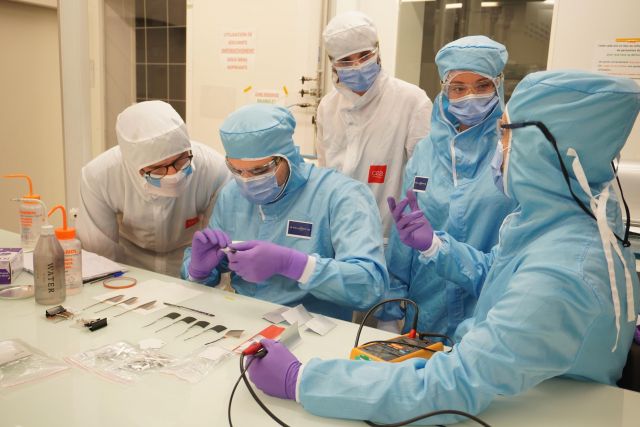
Stellantis and CEA, one of the world’s most innovative research institutions, announced a new, five-year collaboration that targets the in-house design of next-generation battery cells for electric vehicles.
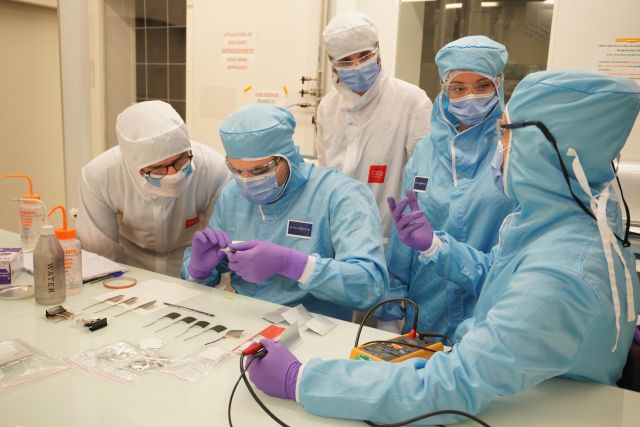
This joint research programme includes designing advanced technology cells with higher performance, a longer lifespan and a lower carbon footprint at competitive costs, which can lead to more affordable and sustainable battery-electric vehicles in the future.
“We know that battery technology is poised for change. While we don’t know exactly how it will change, we are committed to be at the forefront of this transformation. Internally, we are working around the clock, placing multiple bets and exploring various technologies.
“At the same time, we are collaborating closely with tech start-ups, laboratories, universities and the most prestigious research institutions in the world like CEA. We believe that this collaboration will accelerate the arrival of disruptive battery-cell technology, supporting our mission to offer clean, safe and affordable mobility to our customers,” says Ned Curic, Chief Engineering and Technology Officer at Stellantis.
Through its Energy Division, CEA provides advanced innovations for decarbonisation. As a Research and Technological Organisation (RTO), CEA’s first goal is to support industry through innovation and technological breakthrough, allowing market differentiation and competitive advantage for its partners.
“CEA is proud to support Stellantis with an ambitious multi-year R&D programme on battery cells, which takes place in the frame of a CEA/Stellantis global partnership. This project makes the best use of more than 25 years of expertise in the field of Li-ion batteries at CEA to the benefit of one of the major automotive actors in the competitive race for electrical mobility.
“Our challenge is to speed up design and fabrication and to allow deep understanding of the most advanced cell technologies by sharing our expertise, skills and vision,” says Philippe Stohr, Head of CEA Energy division.
The goal of the joint battery cell programme is to provide more affordable, next-generation EV batteries with best-in-class technologies to Stellantis and its joint venture gigafactories.
The battery cell design programme reinforces a 20-year dynamic collaboration with CEA. Other areas of joint research include disruptive chemistries and CO2 footprint research, battery modelling, fuel cell development, life-cycle assessment and connectivity.
The collaboration is the latest example of Stellantis’s continuing drive to achieve the goals of the Dare Forward 2030 strategic plan. Stellantis is on track to become a carbon net zero corporation by 2038, all scopes included, with single-digit percentage compensation of remaining emissions.
Following the official brand re-launch by the Salvador Caetano Group, JMC South Africa announce the arrival of the All-New JMC Vigus.

Jetour South Africa hosted its inaugural Dealer of the Year Awards on Tuesday night, bringing together its national dealer network of nearly 60 dealerships.

South Africa’s motorists and automotive sector are facing a fresh layer of uncertainty as the Middle East conflict continues to disrupt global oil markets, but for now the country’s fuel supply remains stable even as costs rise.
 Advertisement
 Advertisement
Have you ever noticed that anybody driving slower than you is an idiot, and anyone going faster than you is a maniac?
George Carlin
Geely Auto has lifted the curtain on a new hybrid technology that it believes can redraw the balance of power in a segment dominated for decades by Japanese brands.
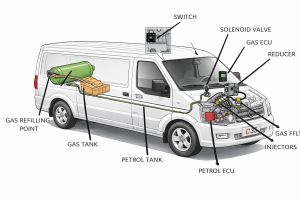
As fuel prices continue to place pressure on South African consumers and businesses, DFSK South Africa has introduced an LPG Autogas conversion solution aimed at reducing operating costs and improving vehicle efficiency across its petrol range.

Toyota Motor Corporation and Isuzu Motors are stepping up plans to bring hydrogen power into Japan’s light‑duty truck market, confirming a jointly developed fuel cell model scheduled for production in the 2027 financial year.