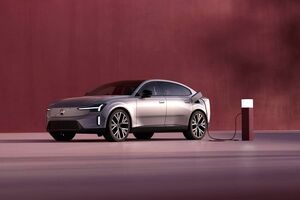
Beyond their zero-emissions promise, the prospect of low running costs remains a major draw for car buyers, says National Automobile Dealers’ Association (NADA) in a statement.
While this shift represents a step change in technology, it also brings new considerations for both vehicle owners and the dealer network. From the reduced maintenance needs of fully electric models to the dual systems found in plug-in and traditional hybrids, it is important for consumers to understand how these vehicles differ from traditional internal combustion engine (ICE) cars.
Lower maintenance - different priorities:
Electric vehicles (EVs) inherently require less scheduled maintenance than their petrol or diesel counterparts. With far fewer moving parts, they eliminate the need for regular oil changes, spark plug replacements and exhaust system repairs. This simplicity translates into lower repair costs and fewer service visits, saving owners both time and money.
Critical components that need regular attention:
- The battery pack: The battery is the most expensive component, typically representing 25% to 40% of a vehicle’s total cost. Regular inspection by a qualified technician helps ensure proper functioning and can prevent minor issues from becoming costly repairs.
- Thermal management system: The air conditioning system often doubles as part of the battery’s cooling system, maintaining optimal operating temperature for performance and longevity.
- Braking system: EVs use regenerative braking to capture kinetic energy and recharge the battery, reducing reliance on friction brakes. While this means reduced wear on brake pads and discs compared to ICE cars, the complexity of this blended system requires regular checks.
The non-mechanical essentials:
Unlike ICE vehicles, modern EVs rely heavily on advanced software, which adds another layer to necessary maintenance. Regular service bulletins and software updates can enhance safety, optimise battery management, improve range and performance and even introduce new features.
Protecting your investment:
NADA Director, Ashley Samuel, stresses the bottom line for all EV owners: “It is absolutely essential to adhere to manufacturer-prescribed service intervals for all cars, including electric vehicles, even though the maintenance needs differ between EVs and ICE cars.
“Missing service intervals can impact your warranty and jeopardise vehicle safety, reliability and resale value. Regular, scheduled maintenance is the best way to protect your prized possession and ensure lasting value.”
Evolving dealership and technician capabilities:
As more South Africans consider NEVS for their mobility needs, it is equally important to recognise that the shift to electrification requires a corresponding evolution in the skills, training and infrastructure within dealerships.
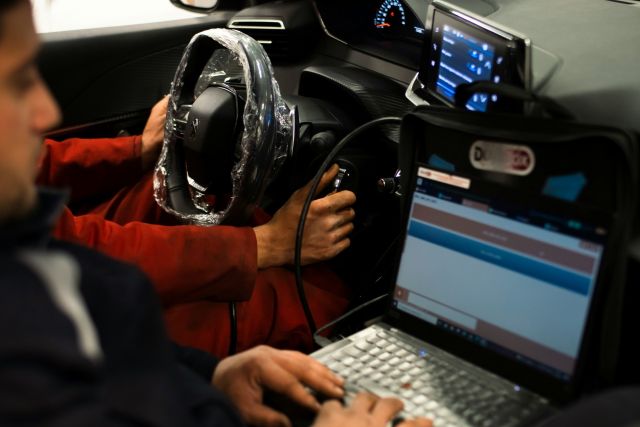
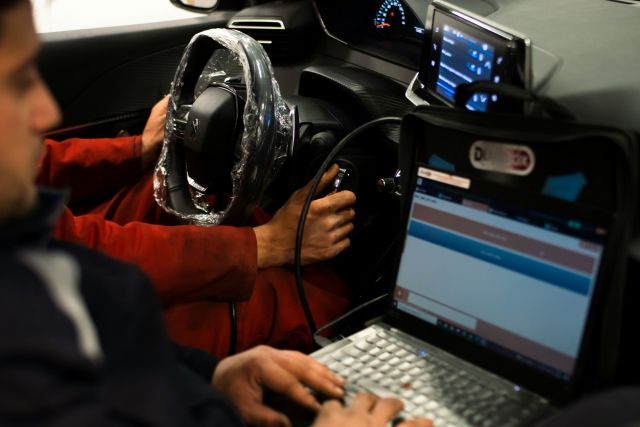
NEVs operate on high-voltage systems that must be handled by specially trained and certified technicians who are qualified to diagnose, service and repair electric powertrains and energy storage systems safely. These technicians undergo rigorous, manufacturer-approved training to ensure that every vehicle is maintained to exact standards.
Dealerships across South Africa are also investing in specialised workshop environments designed to accommodate NEVs, from insulated tools and dedicated high-voltage service bays to advanced diagnostic equipment and stringent safety protocols. This investment ensures that franchised dealerships remain fully equipped to meet the evolving needs of the modern car parc.
Ashley adds: “As the automotive landscape evolves, so too must our dealerships and technicians. NADA’s members are investing heavily in the training, equipment and infrastructure needed to safely and effectively support the growing NEV market.”