
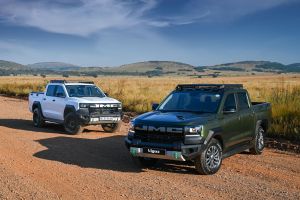
New JMC Vigus will make an impression
Following the official brand re-launch by the Salvador Caetano Group, JMC South Africa announce the arrival of the All-New JMC Vigus.
- Product News
- 17 April 2026
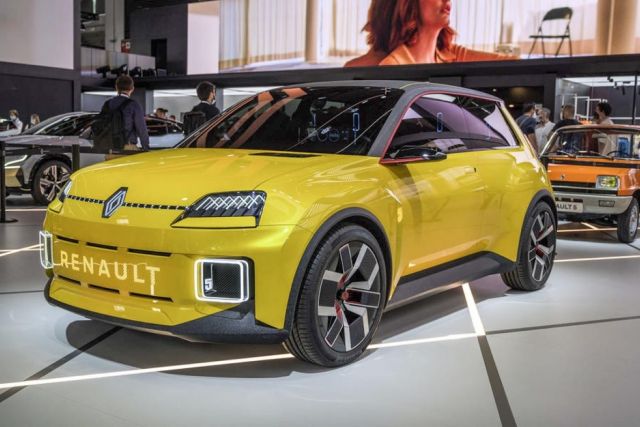
The Renault 5 EV concept might not be new, but it is the most likely of the concepts that will make it into production.
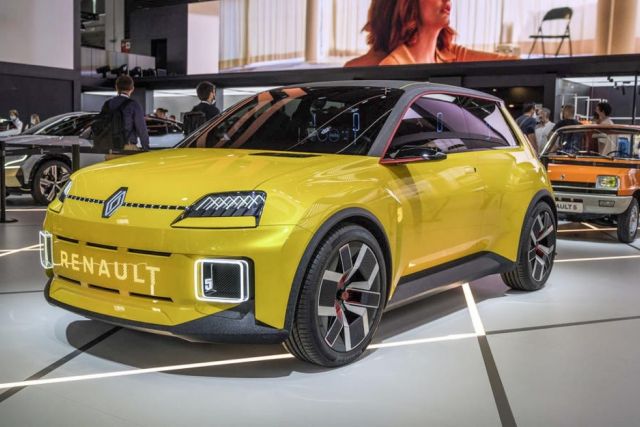
The 5 EV is inspired by the famous hatchback that roamed the world’s roads between 1972 and 1995. Indications are that the 5 EV will go into production in 2024 and will be one of seven all-new vehicles that the French automaker will launch come 2025.
Reports say the 5 EV will replace the Zoe, Europe's best-selling electric car as of 2022. The subcompact will ride on the Renault–Nissan Common Module Family platform, also known as the CMF-B EV, which is expected to reduce production costs by 33% compared to the Zoe.
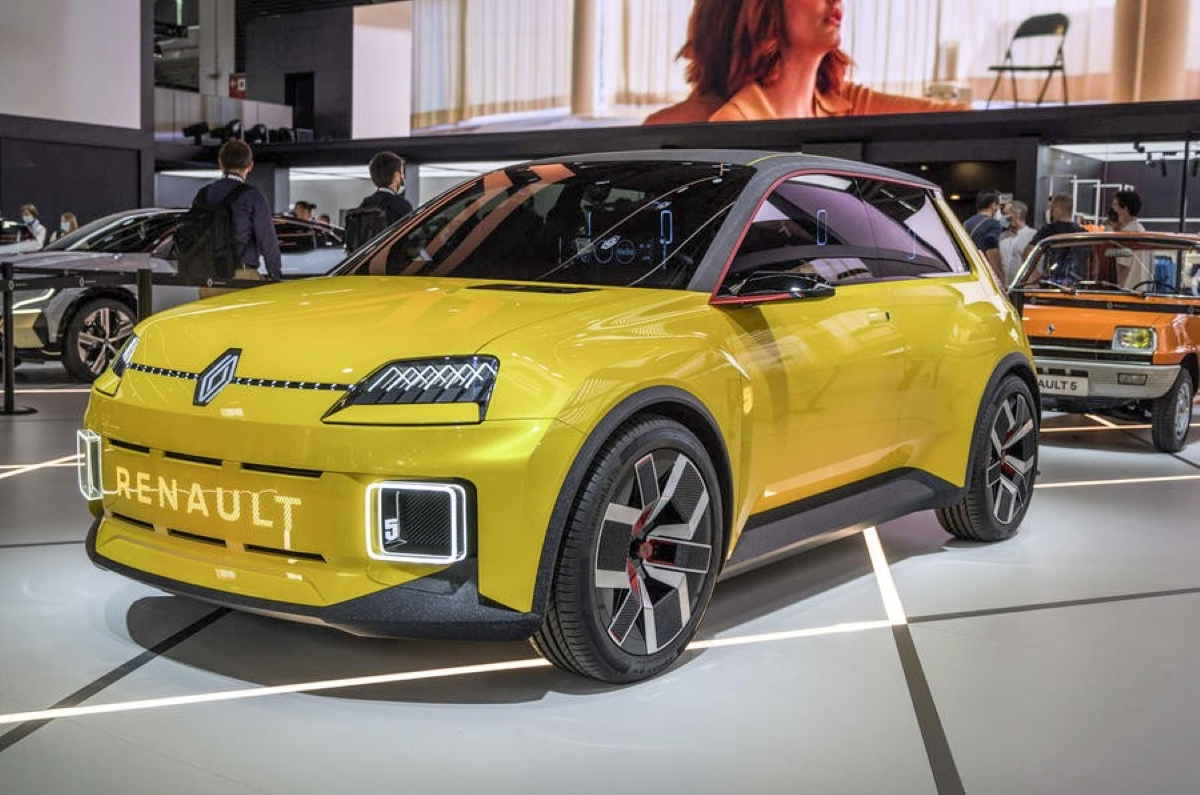
The new EV will be cheaper than the ZOE and make electric vehicles more affordable to a bigger audience.
The Renault 5 EV will have a front-mounted ePT-100 kW motor that will have a range of about 400 km. This is thanks to new powertrain technology and nickel-cobalt-manganese batteries as the power source.
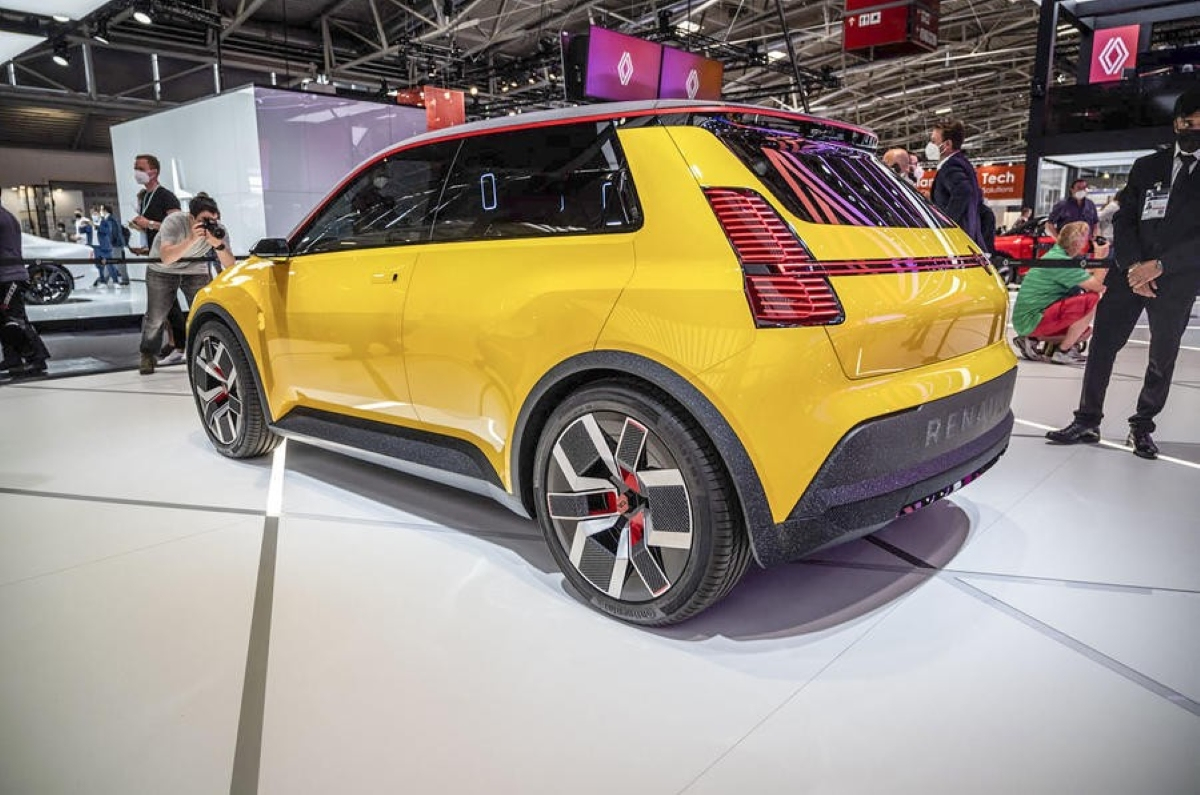
This is also the kind of electric vehicle that Renault will hopefully bring to South-Africa within the next two to three years.
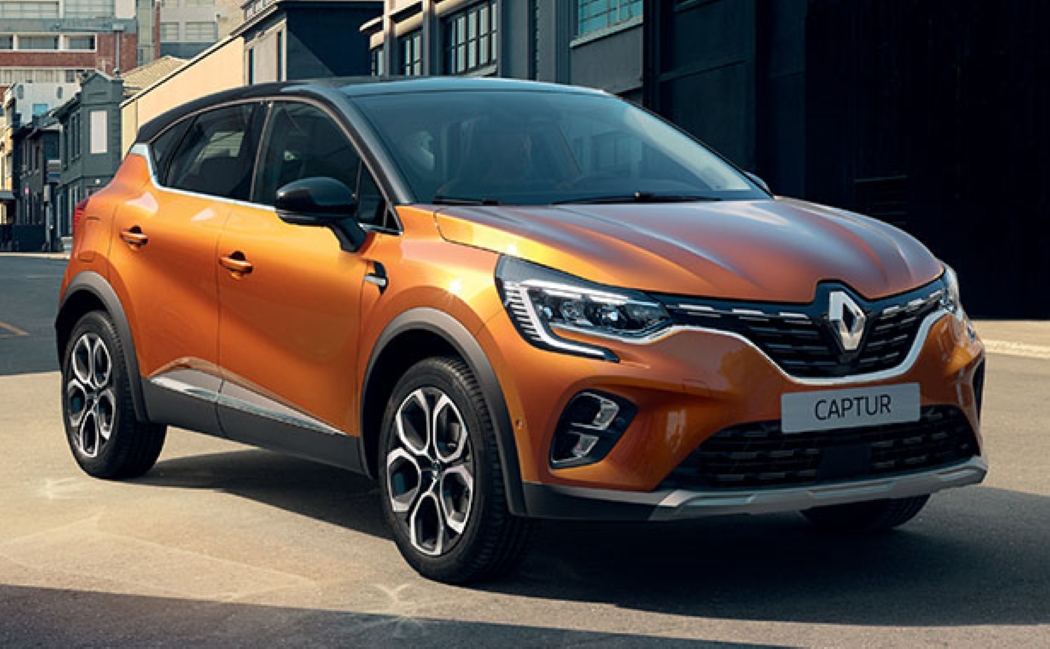
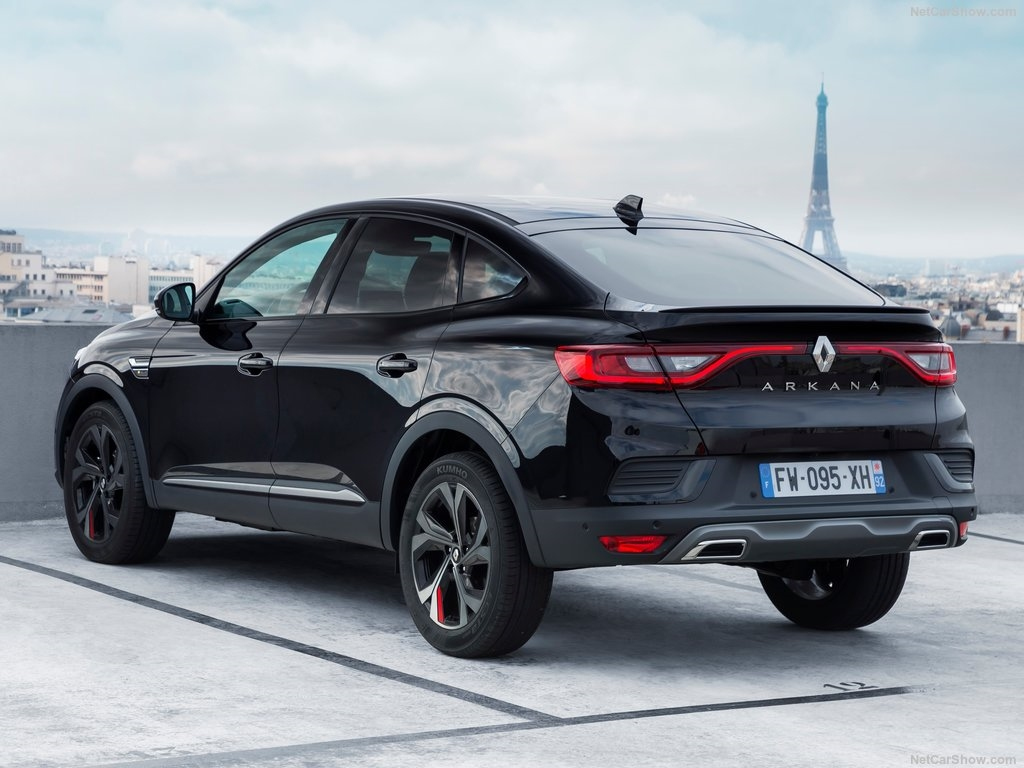
At this stage, Renault South Africa has already placed orders for the hybrid versions of the Arkana, a coupe-styled SUV and the smaller Captur Crossover SUV, both SUVs for homologation.
The ICE Captur, which is already in production, will be launched in SA in February next year, and the hybrids could be here for sale within 12 months thereafter, says Renault SA.
Following the official brand re-launch by the Salvador Caetano Group, JMC South Africa announce the arrival of the All-New JMC Vigus.
Jetour South Africa hosted its inaugural Dealer of the Year Awards on Tuesday night, bringing together its national dealer network of nearly 60 dealerships.
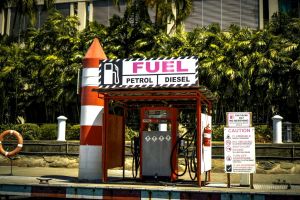
South Africa’s motorists and automotive sector are facing a fresh layer of uncertainty as the Middle East conflict continues to disrupt global oil markets, but for now the country’s fuel supply remains stable even as costs rise.
 Advertisement
Advertisement
Advertisement
You can't buy happiness but you can buy cars and that's kind of the same thing.
Unknown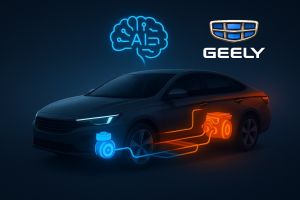
Geely Auto has lifted the curtain on a new hybrid technology that it believes can redraw the balance of power in a segment dominated for decades by Japanese brands.
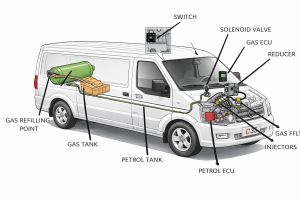
As fuel prices continue to place pressure on South African consumers and businesses, DFSK South Africa has introduced an LPG Autogas conversion solution aimed at reducing operating costs and improving vehicle efficiency across its petrol range.
Toyota Motor Corporation and Isuzu Motors are stepping up plans to bring hydrogen power into Japan’s light‑duty truck market, confirming a jointly developed fuel cell model scheduled for production in the 2027 financial year.