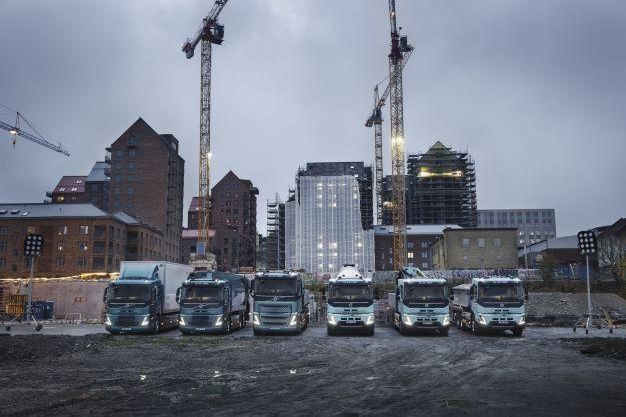
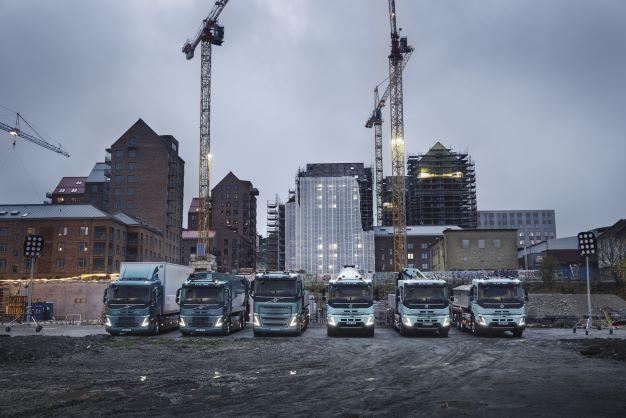
Volvo Trucks has announced the launch of a range of new electric trucks into the market, including locally.
Share with friends
The company, which is the only global truck manufacturer with a full range of electric trucks in series production today, is aiming to have electric trucks make up at least half of its global sales by 2030.
“Already producing the most complete electric line up in the global truck industry, we are now expanding our offering with the introduction of rigid versions of our extra heavy electric trucks: the Volvo FH, Volvo FM and Volvo FMX,” said Waldemar Christensen, MD of Volvo Trucks South Africa. “This makes it even easier for transport companies to make the move to electric vehicles in urban and regional areas.”
Thanks to multiple battery, cab and chassis options, the new extra heavy rigid trucks can be designed to carry electric superstructures for a wide range of specialised transport assignments, including goods distribution, refuse collection and construction work. Production of the new rigid variants will begin in the first quarter of 2023.
Volvo is bringing a large range of new electric trucks to SA.
“Fleets can have these trucks custom-built for their specific operation to cut emissions while getting the same functionality as the diesel trucks they are using today,” explained Christensen. He added: “Our customers are already ordering electric vehicles that will suit their specific business needs, with the first local deliveries expected during the first quarter of 2023.
“These trucks can handle all kinds of transports, from lighter to heavy loads. Customers can choose the exact battery capacity they need for their assignments, and by not carrying more batteries onboard than needed, which increases the payload. In short, we have the optimal and most cost-efficient electric transport solution, no matter what the task is.
At this stage, customers are planning to erect their own charging stations at strategic points.
Volvo FH, FM and FMX electric rigids can be equipped as follows:
Released for sale in December 2022, global serial production to start March 2023:
Driveline: 490 kW
Drive unit: 3 electric motors
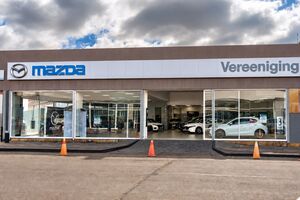
Few can claim a bond with Mazda as deep as the Plitt family's. For more than 60 years, Mazda has been part of the family's story through Mazda Vereeniging, the oldest Mazda dealership in South Africa and a longstanding standalone representative of the brand.
Peugeot has expanded its Landtrek line-up with the addition of a new turbodiesel-powered model aimed at buyers looking for increased performance, greater towing capability and updated technology. The latest derivatives join the range from October 2026 and introduce a significant powertrain upgrade for the bakkie.
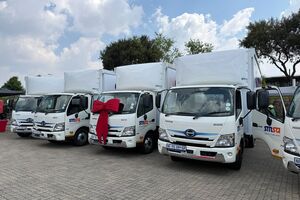
SMSA Africa Logistics Group has added five Hino 300 diesel electric hybrid trucks with van bodies to its fleet, following a two-year trial of three such trucks in its delivery operation.
South Africa's new energy vehicle market is becoming increasingly diverse, with plug in hybrid electric vehicles (PHEVs) and fully electric vehicles gaining ground while traditional hybrids remain the largest category.
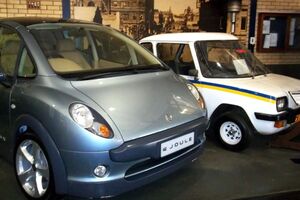
As South Africans celebrate their rich heritage, it is also worth reflecting on a lesser-known chapter of the country's history: its long connection with electric vehicles (EVs).