

New JMC Vigus will make an impression
Following the official brand re-launch by the Salvador Caetano Group, JMC South Africa announce the arrival of the All-New JMC Vigus.
- Product News
- 17 April 2026
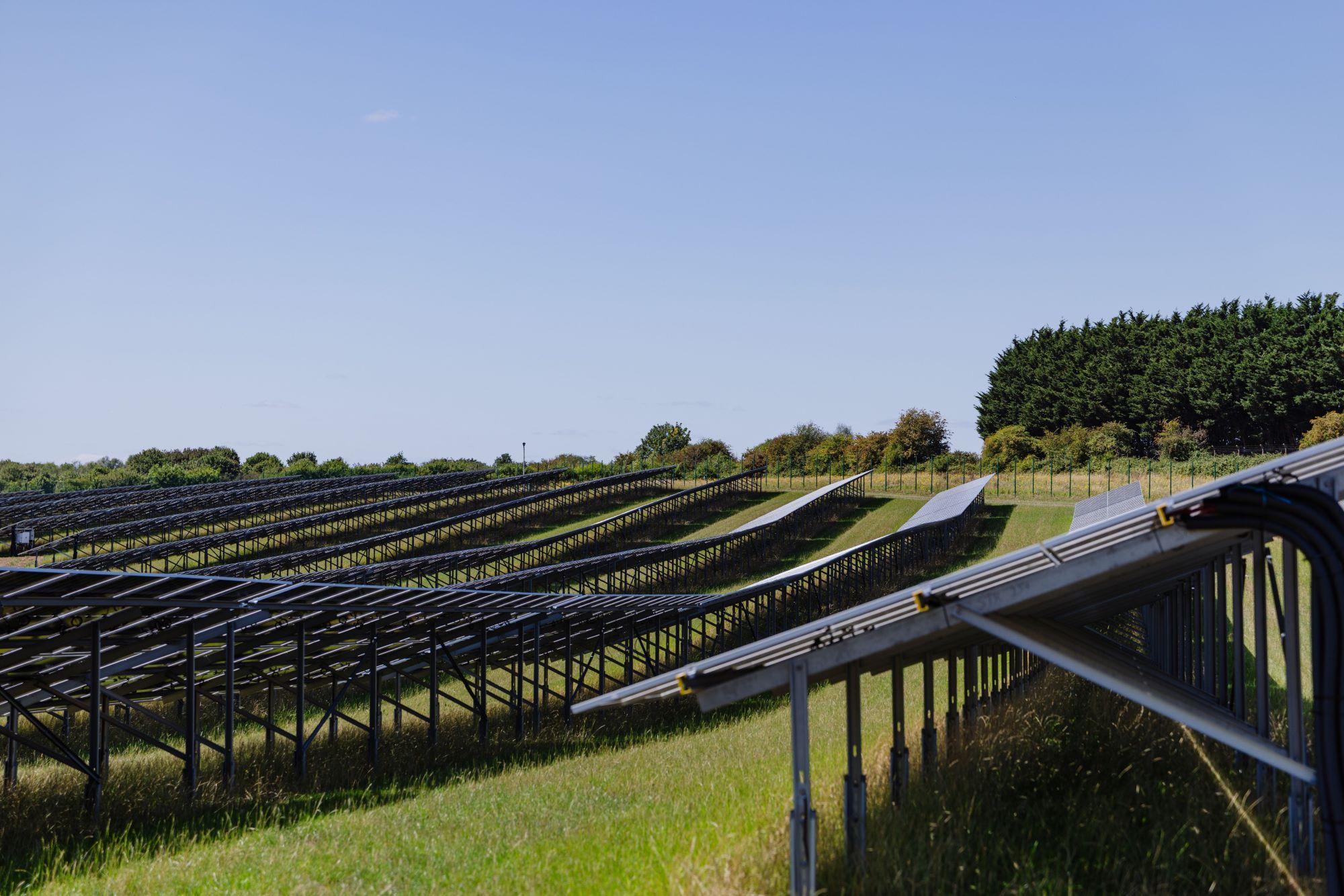
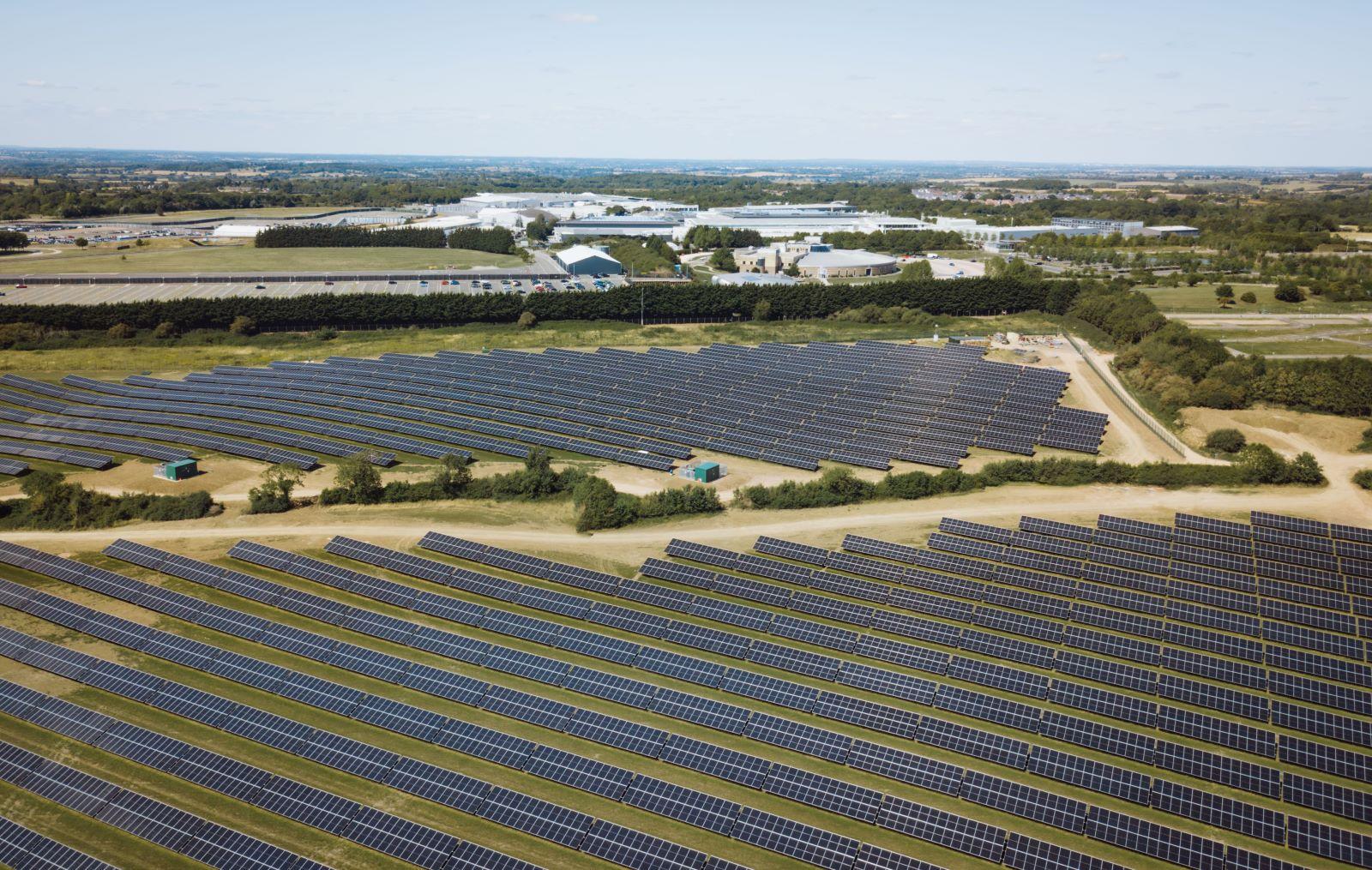
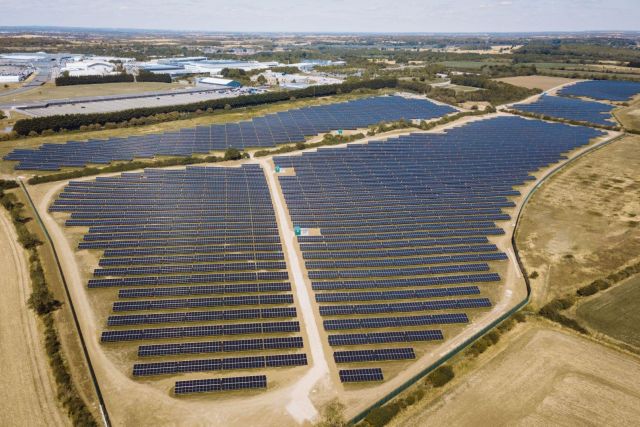
JLR has reached a significant milestone in the roll-out of its global renewable energy strategy with the opening of a new solar farm the size of up to 36 football pitches at its Gaydon headquarters in the United Kingdom (UK).
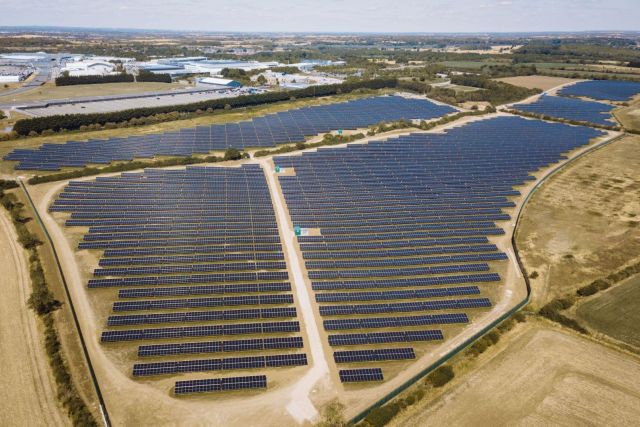
The 26-hectare, 18MW facility will supply up to 31% of the site’s energy requirements, marking the completion of the first of three of its UK solar energy projects.
Meanwhile, a newly expanded rooftop installation at the company’s Electric Propulsion Manufacturing Centre (EPMC) in Wolverhampton, UK, is due for completion this autumn. It will feature over 18 000 solar panels, making it the largest automotive manufacturing rooftop solar array in the UK.
Building on an existing rooftop array, the new 10.7MW system will generate approximately 9 512MWh of electricity annually – enough to power over 3 500* homes for a year. The combined solar capacity will meet nearly 40% of the site’s energy needs, supporting the production of electric drive units and batteries for its next generation vehicles.
JLR’s joint venture in China, CJLR, has also made considerable progress in its energy self-sufficiency with a 20MW expansion to its rooftop solar installation. Since becoming operational in May 2025, the manufacturing facility has generated over 50% of its monthly energy consumption, supporting energy saving, cost reductions and temperature regulation in the workshop thanks to additional shading.
In 2026, JLR will begin installing over 10MW of solar car ports at its Merseyside site, becoming the largest solar car port in the UK. Current plans include canopy structures across Halewood, with solar walkways from the main carparks to the site entrances, providing both employees’ and visitors’ electric vehicles charging while on the premises, as well as sheltered parking and protection against weather conditions.
The luxury car manufacturer is committed to sourcing at least one-third of its global energy needs from onsite and near-site renewables as alternatives to natural gas by 2030 - cutting emissions, enhancing energy resilience and mitigating exposure to market volatility through self-reliance.
Following the official brand re-launch by the Salvador Caetano Group, JMC South Africa announce the arrival of the All-New JMC Vigus.

Jetour South Africa hosted its inaugural Dealer of the Year Awards on Tuesday night, bringing together its national dealer network of nearly 60 dealerships.
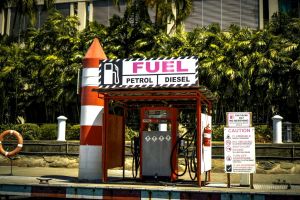
South Africa’s motorists and automotive sector are facing a fresh layer of uncertainty as the Middle East conflict continues to disrupt global oil markets, but for now the country’s fuel supply remains stable even as costs rise.
 Advertisement
 Advertisement
Have you ever noticed that anybody driving slower than you is an idiot, and anyone going faster than you is a maniac?
George Carlin
Geely Auto has lifted the curtain on a new hybrid technology that it believes can redraw the balance of power in a segment dominated for decades by Japanese brands.
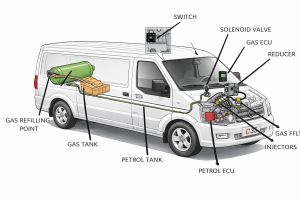
As fuel prices continue to place pressure on South African consumers and businesses, DFSK South Africa has introduced an LPG Autogas conversion solution aimed at reducing operating costs and improving vehicle efficiency across its petrol range.

Toyota Motor Corporation and Isuzu Motors are stepping up plans to bring hydrogen power into Japan’s light‑duty truck market, confirming a jointly developed fuel cell model scheduled for production in the 2027 financial year.