
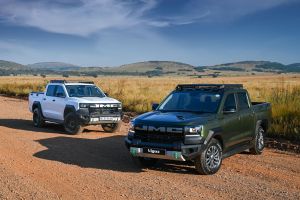
New JMC Vigus will make an impression
Following the official brand re-launch by the Salvador Caetano Group, JMC South Africa announce the arrival of the All-New JMC Vigus.
- Product News
- 17 April 2026
Various international motoring news outlets have reported that Ford will henceforth offer two different battery chemistries on its electric vehicles (EV).
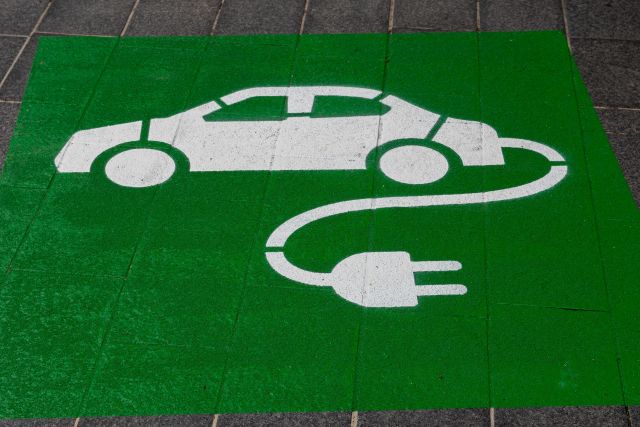
This comes as the company introduces a lower-cost, shorter-range alternative to the battery pack currently used.
Ford made it clear though, that customers, of whom many were new to EVs, would not be burdened with having to make difficult decisions as to which type would be more suitable for their needs as the options will be woven into already-established configurations based on battery range.
Currently, Ford is using batteries in its EVs that contain nickel cobalt manganese chemistry but come spring, they will offer the less expensive lithium iron phosphate chemistry on its Mustang Mach-E. In 2024, it will also be introduced into the company’s F-150 Lightning.
Not only are these batteries low cost, but they are more durable and recharge faster, which is ideal for vehicles that are used for short trips, as opposed to nickel cobalt manganese batteries, which offer a longer range and are more energy dense. The latter are more suitable for customers who need to make long trips, tow or haul.
Customers would, however, continue to only have to make the simple choice between a standard-range or extended-range battery. Standard range will automatically get the lithium iron phosphate version, while extended range will get the nickel cobalt manganese version.
Following the official brand re-launch by the Salvador Caetano Group, JMC South Africa announce the arrival of the All-New JMC Vigus.
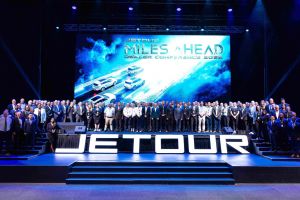
Jetour South Africa hosted its inaugural Dealer of the Year Awards on Tuesday night, bringing together its national dealer network of nearly 60 dealerships.
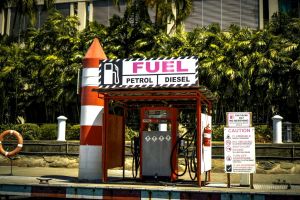
South Africa’s motorists and automotive sector are facing a fresh layer of uncertainty as the Middle East conflict continues to disrupt global oil markets, but for now the country’s fuel supply remains stable even as costs rise.
 Advertisement
 Advertisement
You can't buy happiness but you can buy cars and that's kind of the same thing.
Unknown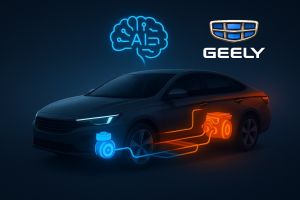
Geely Auto has lifted the curtain on a new hybrid technology that it believes can redraw the balance of power in a segment dominated for decades by Japanese brands.
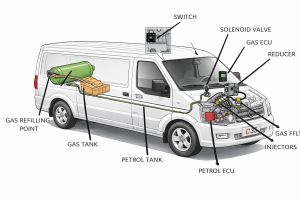
As fuel prices continue to place pressure on South African consumers and businesses, DFSK South Africa has introduced an LPG Autogas conversion solution aimed at reducing operating costs and improving vehicle efficiency across its petrol range.
Toyota Motor Corporation and Isuzu Motors are stepping up plans to bring hydrogen power into Japan’s light‑duty truck market, confirming a jointly developed fuel cell model scheduled for production in the 2027 financial year.