The tax incentive comes into effect in 2026 and will enable manufacturers to deduct 150% of the cost of buildings and equipment used primarily for producing electric and hydrogen-powered vehicles. While this measure is expected to boost local manufacturing, CHARGE emphasises that the South African government must address the barriers that hinder EV adoption and promote the development of charging infrastructure.
This incentive to boost local manufacturing is a positive step forward, but we also need to reduce the current high import duties for EVs — 25% compared to 18% for combustion engine vehicles. These taxes inflate EV prices, slow demand and limit market growth. CHARGE continues to call for a six-year tax holiday on EV imports to address this imbalance.
Unfortunately, while steps are being taken to support an EV economy, not enough is being done to support the need for a sustainable, reliable, green charging network. More support is needed to minimise the significant regulatory barriers hindering the expansion of critical charging networks.
In some provinces, such as the Western Cape, rural development guidelines contradict the development of solar-powered charging for EVs, despite the call for carbon reduction and environmental protection. This presents challenges to renewable energy and sustainable transport projects. In addition, SANRAL’s administrative hurdles continue to delay the roll-out of essential EV infrastructure.
Tackling these issues is key to ensuring initiatives like CHARGE’s off-grid charging network can drive meaningful progress in South Africa’s EV transition. Without a reliable network of charging stations that operate independently of the coal-based grid, EVs cannot deliver the environmental benefits they promise.
Current data reveals that an EV charged from South Africa’s predominantly coal-powered grid indirectly emits 5.8 tonnes of CO2 annually, compared to 4.4 tonnes for petrol cars and 8.6 tonnes for diesel vehicles. This means that, currently, it is actually less environmentally friendly to drive an electric vehicle charged from the grid than it is to drive a petrol vehicle.
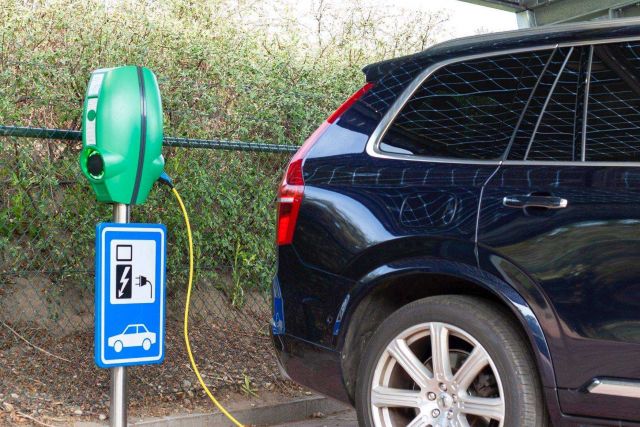
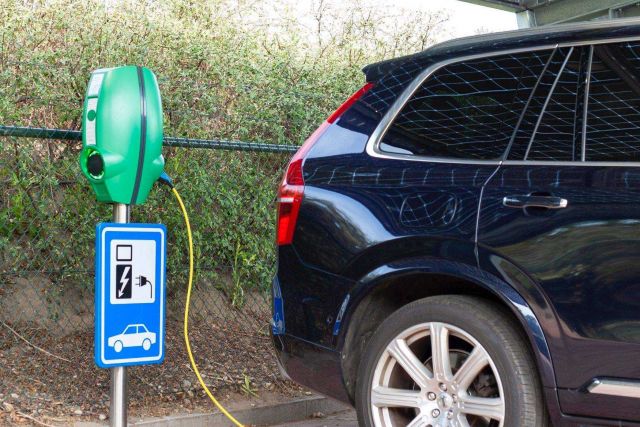
CHARGE’s solution—a network of 120 off-grid, solar-powered charging stations for electric vehicles and an additional 120 stations for electric trucks—is vital for reducing transport emissions. These stations will ensure every EV charged is powered entirely by renewable energy, supporting the Department of Transport’s net-zero transport target by 2050.