How the world’s energy supply chain is being squeezed
The current oil and fuel crisis is easier to understand when the global energy supply chain is viewed as a network rather than simply a question of how much oil the world produces.
Share with friends
Crude oil is produced in one part of the world, transported, often refined somewhere else and then shipped again as petrol, diesel, jet fuel or other petroleum products to the markets where they are consumed. Natural gas follows a similar chain, although it can move through pipelines or be cooled into liquefied natural gas (LNG) and transported by specialised tankers.
This means that a disruption at a relatively narrow shipping route can have consequences far beyond the countries immediately involved.
The distinction between crude and refined products is important. A shortage of crude does not immediately mean a shortage of petrol or diesel. Refineries can draw on existing stocks and alternative crude supplies. Conversely, the world can have crude available while still experiencing a shortage of diesel if refinery capacity or product shipping is disrupted.
According to the International Energy Agency's (IEA) September 2026 Oil Market Report this is increasingly what is happening.
In August, Gulf countries (Middle East) exported only about 390 000 barrels a day of diesel, just over a quarter of their pre-war level. Diesel from the Gulf and Russia were 1.6 million barrels a day below February levels. Those two regions had accounted for almost 45% of the global seaborne diesel trade in February.
Elvin Harris (President of the Chartered Institute of Logistics and Transport).
This helps explain why diesel has become such a particular concern.
Dealerfloor
asked Elvin Harris, President of the Chartered Institute of Logistics and Transport, for clarity around the very topical issue.
Where is oil produced and how it reaches markets?
Oil production remains heavily concentrated in a relatively small number of regions. Most crude comes from the Gulf states in the Middle East, the United States (US), Russia, West Africa, Canada, Norway and, increasingly, Brazil and Guyana (on South America’s North Atlantic coast).
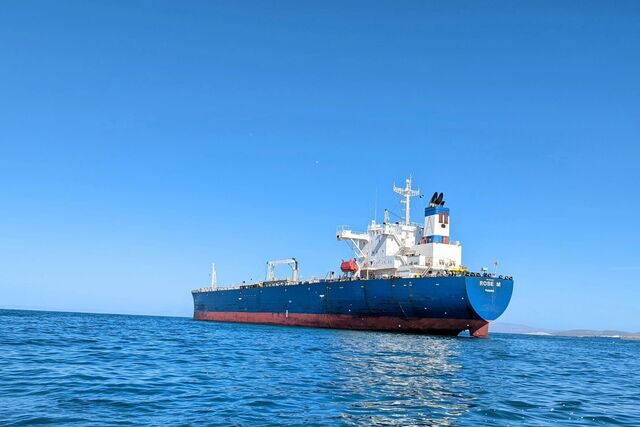
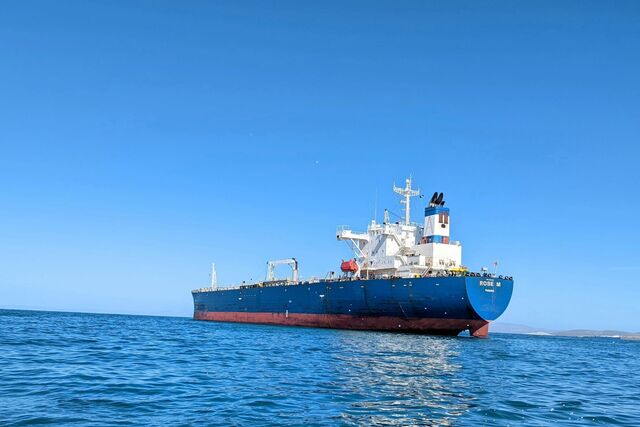
Crude oil is transported primarily via pipelines or mostly massive crude tankers. The global supply network relies on critical maritime chokepoints: the Strait of Hormuz (handling a massive share of Middle Eastern crude and LNG), the Bab el-Mandeb Strait (between Yemen and the Horn of Africa to the Red Sea), then through the Suez Canal corridor into the Mediterranean Sea, and the Cape of Good Hope around South Africa (SA). Due to ongoing security disruptions in the Middle East, a vast amount of tanker traffic has been permanently forced to bypass the Suez Canal and detour around the Cape of Good Hope. Hormuz matters most: roughly 20 million barrels pass through it daily, about 20% of global supply.
What are the alternatives when a route is disrupted?
Buyers can switch to Atlantic Basin suppliers (North America, South America, West Africa, and Europe), use pipelines that bypass the chokepoint, or cut demand. Each option costs more or carries less. The real impact is usually longer voyages, higher insurance and tighter tanker availability, rather than no fuel at all. SA has already shifted towards the Atlantic Basin, which has raised logistics costs and led to a review of the diesel price formula.
3. Impact on energy prices, globally and in SA:
Prices respond to expected disruption, and refined products can rise faster than crude.
Worldwide: Higher freight costs, squeezed maritime capacity, and risk premiums drive up crude and refined product prices globally. The rise in fuel prices has a knock-on effect on the downstream economy in most markets since energy is a critical input into production and supply chains. This additional cost is invariably transferred to the end-consumer.
South Africa:
Because SA operates on import parity pricing and has seen its domestic crude refining capacity drop significantly over the last decade (with facilities like SAPREF shuttered, leaving Astron Energy and Natref as major operational mainstays), international shocks hit local motorists immediately at the pump, exacerbated by low strategic fuel reserves.
SA is a price taker because it imports most of its refined fuel. Brent rose from $87 to $101 in the latest review period, pushing petrol and diesel past R30 per litre in October. Diesel has roughly doubled this year, from R17 to over R34 per litre. Diesel drives road freight, farming, mining and buses, so the effect feeds into food prices and inflation.
Do strategic reserve releases help?
They buy time and calm markets, but they do not replace lost supply. Reserves are finite and must be refilled later. The US slowed its reserve releases in September, tightening supply further. SA’s strategic cover is thin by comparison with large importers. This is a temporary plaster to be used in emergencies only, and for relatively short periods of time. It was never meant to be a long-term solution. Prolonged disruption, as we have now, will only lead to much higher prices once the ‘plaster’ wears off or until and unless the geopolitical issues are resolved.
What should SA do, and are we doing it?
South Africa's greatest vulnerability is not access to crude oil itself, but dependence on imported fuels combined with limited refining capacity and strategic storage.
SA has diversified suppliers, especially from the Atlantic Basin, and supply has held so far, but the country needs more. That means stronger strategic stockholding, reliable ports, tank farms and pipelines, more rail and electric freight, and clear communication to industry.
We should also fast-track regulatory certainty for upstream exploration (like offshore gas discoveries) to cushion import dependency. Bureaucratic inertia and capital constraints mean implementation lags far behind immediate vulnerabilities. Given the electricity experience, there is natural mistrust that fuel supply will be maintained. However, none of these measures can be fixed in the short term, so South Africans must prepare themselves for medium- to long-term pain.
Is more local refining the answer?
Partly. Crude sourced from elsewhere in Africa is less exposed to Hormuz, but refineries are expensive, take years to build and still depend on crude prices and the strength of the rand. There has been progress in maintaining import flexibility and expanding fuel-import infrastructure. However, the closure of several domestic refineries (notably SAPREF) has increased dependence on imported refined products, making the country even more exposed to global logistical disruptions. Keeping existing refineries viable is more realistic than building new ones, and refining should be combined with strategic stocks and diverse import routes.
Is coal-to-liquids (Sasol) viable again?
Sasol’s existing Secunda operation is a valuable security asset and worth protecting. A new coal-to-liquids plant would be very costly, carbon- and water-intensive, and hard to finance. Gas-to-liquids, biofuels and green-hydrogen fuels are better complements, Elvin concludes.
Secondary source: International Energy Agency, Oil Market Report September 2026.
Building a new dealership, modernising an ageing workshop or preparing for the latest OEM facility audit often means coordinating multiple suppliers, contractors and installation teams. Bright Focus offers a simpler approach, providing everything from workshop equipment and parts storage to service reception solutions and EV-ready facilities through a single point of contact.
Lexus has introduced the all-new ES to South Africa, bringing a larger footprint, more advanced technology and a choice of hybrid or fully electric power. The eighth-generation model also arrives with a redesigned cabin, fresh styling and expanded levels of comfort and safety.
Building a new dealership, modernising an ageing workshop or preparing for the latest OEM facility audit often means coordinating multiple suppliers, contractors and installation teams. Bright Focus offers a simpler approach, providing everything from workshop equipment and parts storage to service reception solutions and EV-ready facilities through a single point of contact.
South African Auto Week 2026 opened in Durban on Tuesday, 13 October, with transformation and skills development among the key issues for the automotive industry, highlighted by an Absa Group investment of R13.5 million in the Automotive Business Council | naamsa’s Dreams Academy.
South Africa’s used-vehicle market showed signs of renewed momentum in September 2026, with trading activity improving after a softer August and several key brands strengthening their positions.