
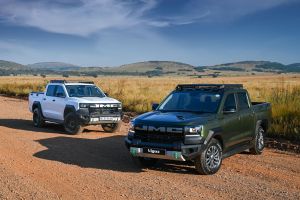
New JMC Vigus will make an impression
Following the official brand re-launch by the Salvador Caetano Group, JMC South Africa announce the arrival of the All-New JMC Vigus.
- Product News
- 17 April 2026
A geopolitical dispute over Nexperia, the Dutch chipmaker owned by China's Wingtech Technology, has exposed critical weaknesses in automotive supply chains worldwide.
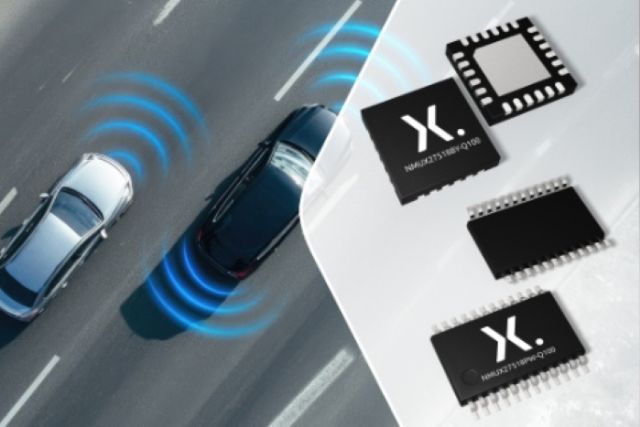
The crisis erupted in September 2025 when the Netherlands government seized control of Nexperia, citing national security concerns around governance structures and potential technology leakage. China responded immediately by blocking chip exports from Nexperia's manufacturing sites on the mainland.
The impact on car production has been significant. Nexperia is a leading global supplier of discrete semiconductors, the humble yet essential transistors, diodes and MOSFETs that regulate power systems, lighting and safety features across virtually all modern vehicles. Whilst these components don't grab headlines like advanced computing chips do, they're indispensable to automotive manufacturing.
Market analysts believe that Nexperia holds approximately 40 per cent of global supply in select discrete semiconductor categories for the automotive industry. When a supplier of this scale faces disruption, even temporarily, vehicle manufacturers have extremely limited room to manoeuvre.
German automotive trade bodies and their international counterparts recently warned of potential factory stoppages if supply uncertainties persist. Carmakers have been forced to audit their component stockpiles and seek alternative suppliers, a complex undertaking requiring months of testing and safety certification for automotive-grade electronics.
There are preliminary signs of improvement. Early November reports suggest that China has begun releasing Nexperia chips destined for civilian applications, alleviating some immediate supply constraints. Volkswagen and other leading manufacturers have confirmed partial restoration of deliveries. Nevertheless, the episode has highlighted just how exposed global automotive supply chains remain to political disputes.
Beyond immediate production concerns, the Nexperia situation has reignited conversations about Europe's dependence on foreign-owned semiconductor infrastructure and the pressing need for diversified sourcing strategies. For the automotive industry, the takeaway is unambiguous: even inexpensive, basic components can become critical bottlenecks when geopolitics interferes with manufacturing.
In a sector built around just-in-time delivery and intricate international sourcing networks, the Nexperia crisis demonstrates that supply chain robustness and backup options may now rival cost efficiency in strategic importance.
Following the official brand re-launch by the Salvador Caetano Group, JMC South Africa announce the arrival of the All-New JMC Vigus.
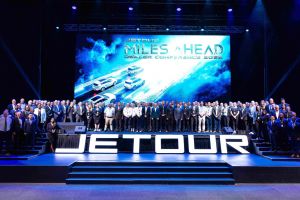
Jetour South Africa hosted its inaugural Dealer of the Year Awards on Tuesday night, bringing together its national dealer network of nearly 60 dealerships.
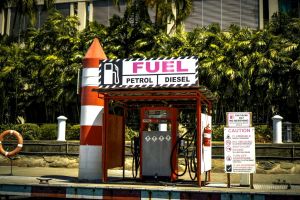
South Africa’s motorists and automotive sector are facing a fresh layer of uncertainty as the Middle East conflict continues to disrupt global oil markets, but for now the country’s fuel supply remains stable even as costs rise.
 Advertisement
 Advertisement
I have bad reflexes. I was once run over by a car being pushed by two guys
Woody Allen
Geely Auto has lifted the curtain on a new hybrid technology that it believes can redraw the balance of power in a segment dominated for decades by Japanese brands.
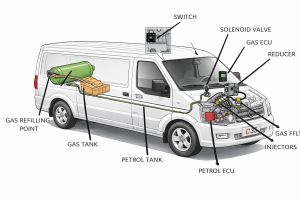
As fuel prices continue to place pressure on South African consumers and businesses, DFSK South Africa has introduced an LPG Autogas conversion solution aimed at reducing operating costs and improving vehicle efficiency across its petrol range.
Toyota Motor Corporation and Isuzu Motors are stepping up plans to bring hydrogen power into Japan’s light‑duty truck market, confirming a jointly developed fuel cell model scheduled for production in the 2027 financial year.