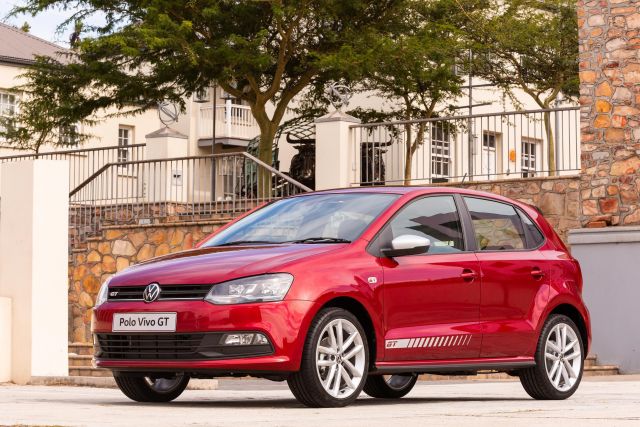
Volkswagen decided to jazz-up its range topping Polo Vivo GT with a fresh, new look and exterior and interior updates.
Share with friends
To get an idea how popular the VW Polo Vivo is with South Africans, the numbers tell the story.
Close to 120 000 (119 679) second-generation Volkswagen Polo Vivos have been sold since its launch in the local market in 2018. Since the Polo Vivo was first introduced in South Africa in 2010, the hatch has recorded 313 620 in cumulative sales.
Now the eyes turn to the Polo Vivo GT to draw even more attention from potential buyers.
What’s new?
The GT’s styling and characteristics have been enhanced, whilst the flagship status within the Polo Vivo model range is maintained.
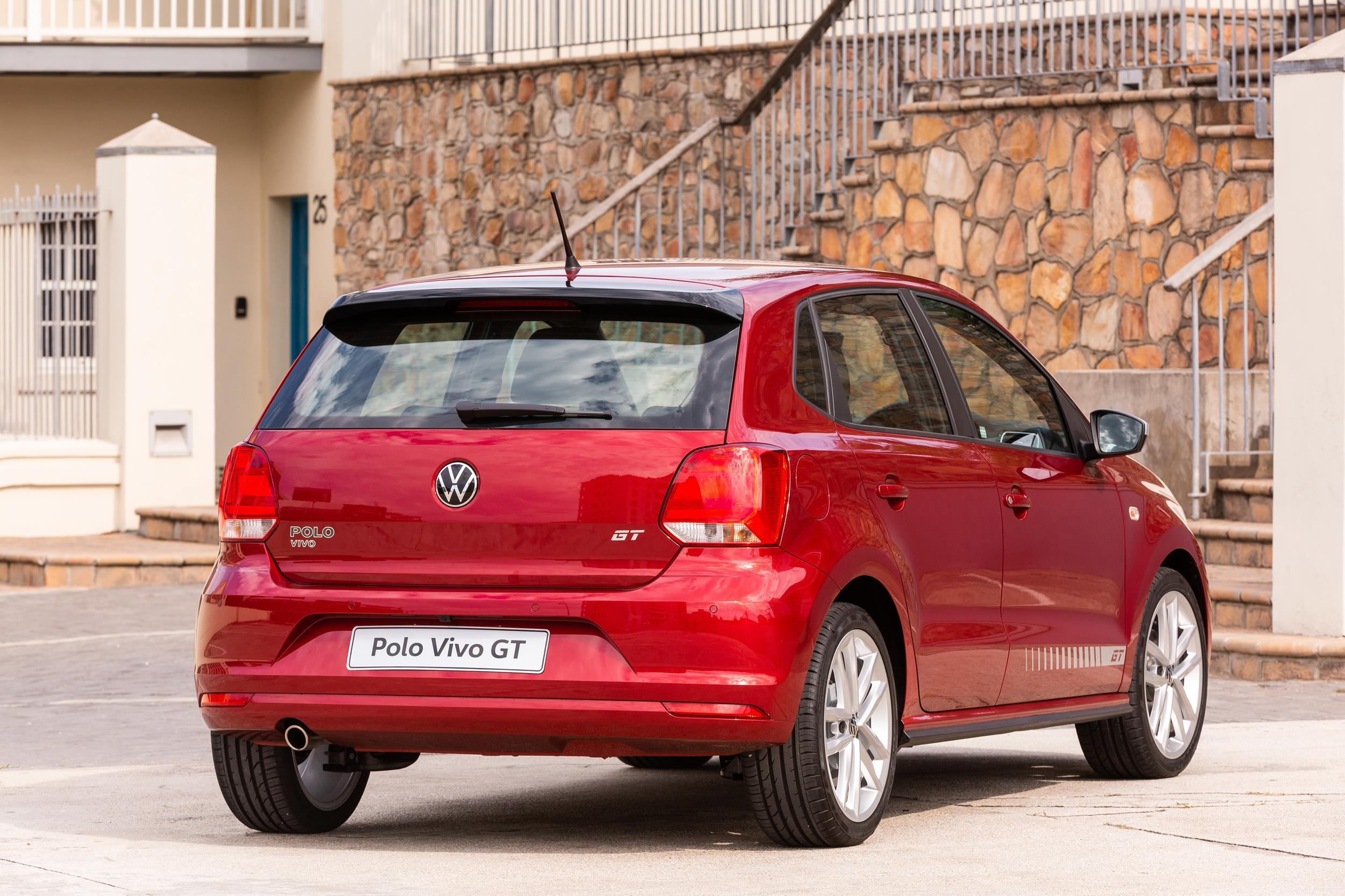
Exterior highlights include silver mirror caps, GT rear decal, wheels and dash inserts as well as GT decals on the front door.
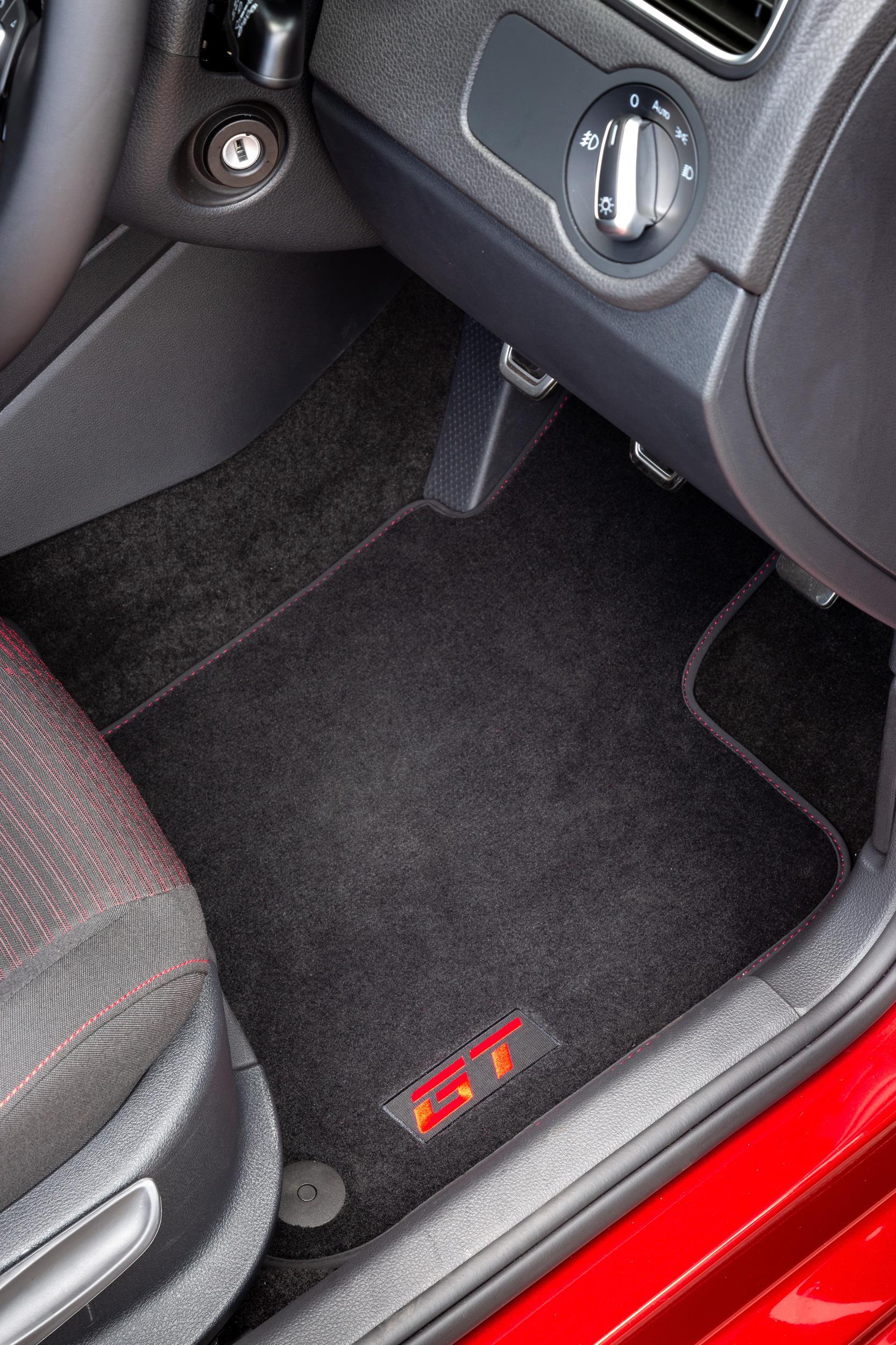
To go with its sporty moniker on the inside, the cloth inserts and stitch colours have been changed from blue to red. New grey stitching on the gear lever and handbrake ties in with grey exterior accents. The Polo Vivo GT refresher will get GT-embroidered branding on loose floor mats.
Interior attributes include front sport seats, aluminium-looking pedals, floor mats (front and rear) and ‘Anthracite’ headlining. Other features include, Cruise Control, Lowered suspension (-15mm) and a black tailgate spoiler.
The Polo Vivo GT is available in five exterior colours, including the new Wild Cherry Red metallic colour. It comes standard with exterior features such as 17-inch Mirabeau wheels, Safety Package, Lights and Vision Package, and a single pipe exhaust with chrome trim.
The power train remains the 1.0 litre TSI 81 kW petrol engine delivering torque of 200 Nm and connected to a six-speed manual gearbox.
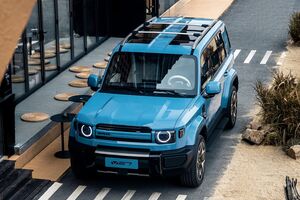
Range anxiety remains one of the main concerns for motorists considering a switch to electrified vehicles, particularly in markets where charging infrastructure is still developing. iCAUR believes its new V27 SUV offers an alternative by combining electric driving capability with extended driving range through a range-extender powertrain.
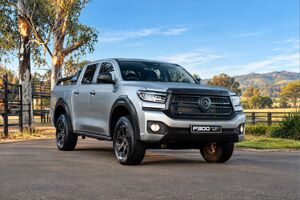
GWM has expanded its P300 line-up with the introduction of the P300 2.0T Pioneer Hi4-T PHEV, marking the arrival of the first electrified version of the bakkie range.
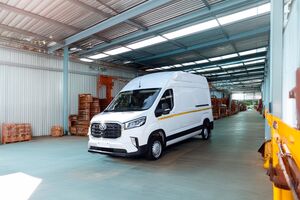
As a relatively new player in South Africa's motoring industry, LDV is often assumed to stand for "Light Delivery Vehicles". The acronym actually originates from Leyland DAF Vans, a heritage that dates to the founding of Leyland Motors in the UK in 1896. The brand is now part of the SAIC Motor Group, one of the world's largest automotive manufacturers.
Range anxiety remains one of the main concerns for motorists considering a switch to electrified vehicles, particularly in markets where charging infrastructure is still developing. iCAUR believes its new V27 SUV offers an alternative by combining electric driving capability with extended driving range through a range-extender powertrain.
GWM has expanded its P300 line-up with the introduction of the P300 2.0T Pioneer Hi4-T PHEV, marking the arrival of the first electrified version of the bakkie range.
As a relatively new player in South Africa's motoring industry, LDV is often assumed to stand for "Light Delivery Vehicles". The acronym actually originates from Leyland DAF Vans, a heritage that dates to the founding of Leyland Motors in the UK in 1896. The brand is now part of the SAIC Motor Group, one of the world's largest automotive manufacturers.