
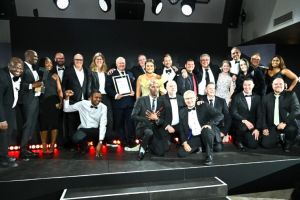
Hatfield Motor Group takes top honours at Audi Dealer Awards
Audi South Africa honoured the outstanding achievements of its national dealer network at the annual Audi Vorsprung Awards.
- Dealer News
- 28 April 2026
Skills development and the promotion of local supplier growth are at the centre of a Memorandum Of Agreement (MOU) just signed.
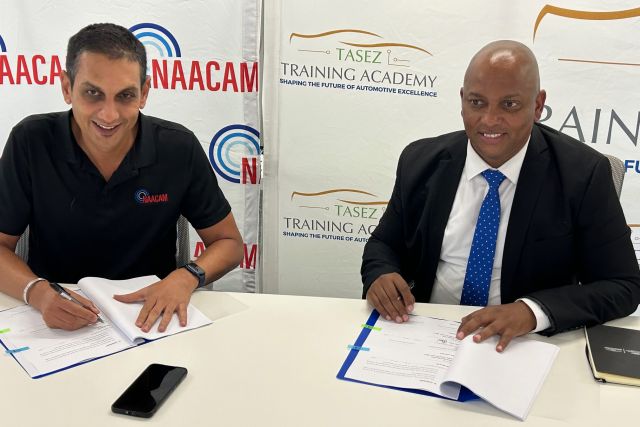
The National Association of Automotive Component and Allied Manufacturers (NAACAM) and the Tshwane Automotive Special Economic Zone (TASEZ) says the intention is to drive skills development through training programmes, promote local supplier growth, with a particular focus on small and medium-sized enterprises (SMEs), and foster economic opportunities within the automotive value chain.
Speaking at the signing of the MOA, Dr Bheka Zulu, Chief Executive Officer of TASEZ, explains that the agreement underpins the shared commitment of both organisations to developing local skills, supporting black-owned businesses and driving innovation across the automotive industry.
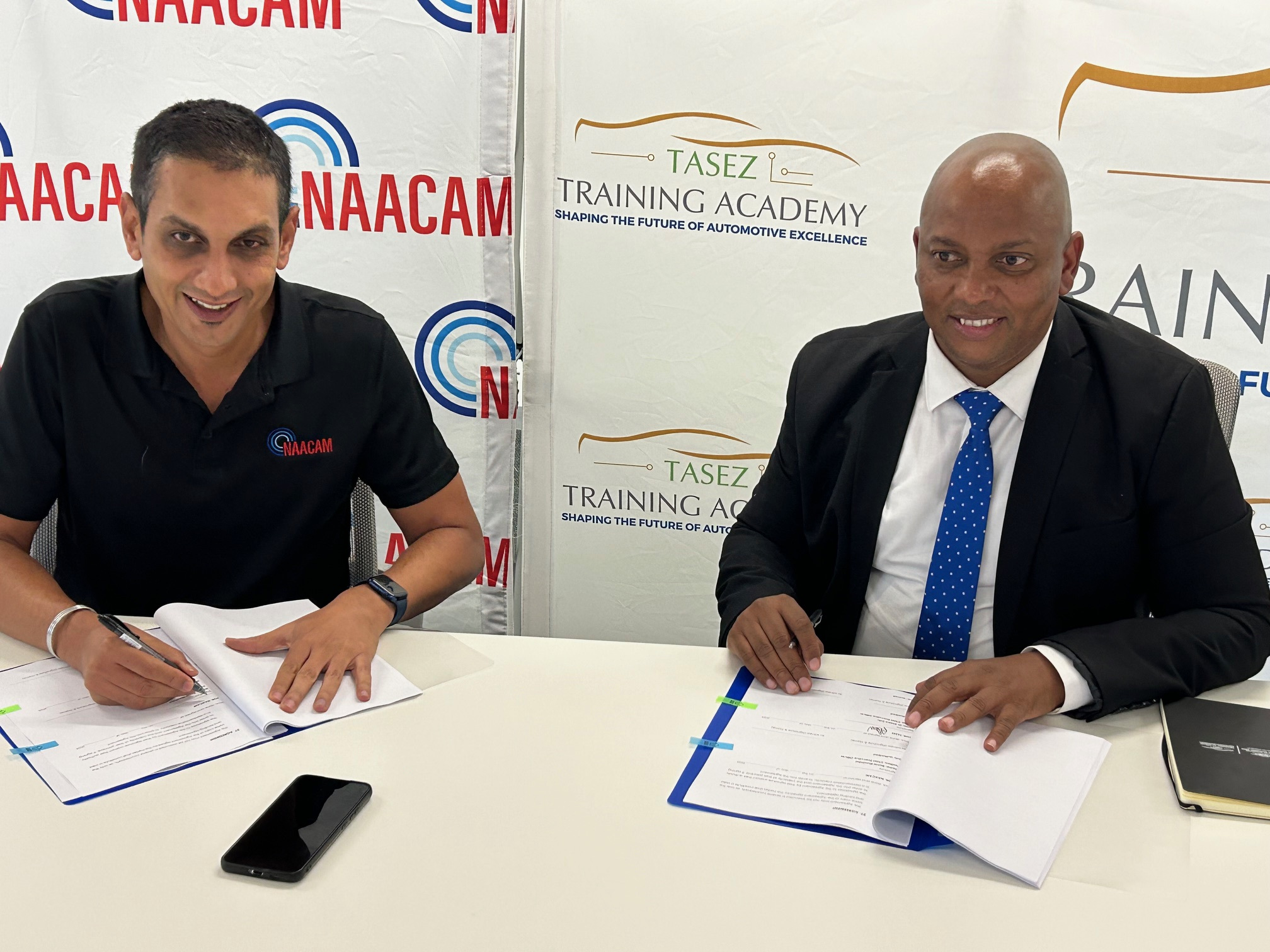
“The partnership provides small businesses and emerging suppliers with direct access to new markets and large manufacturers, creating a sustainable ecosystem that benefits the broader South African economy. This three-year agreement formalises collaboration between TASEZ and NAACAM and is a significant step toward advancing South Africa’s automotive sector,” he says.
The TASEZ-NAACAM partnership will focus on several strategic areas:
NAACAM CEO Renai Moothilal says the agreement reflects a holistic approach to advancing the automotive sector by aligning industry needs with government-supported initiatives.
“The partnership represents a transformative opportunity for the South African automotive sector, creating a stronger, more inclusive industry while promoting economic resilience and global competitiveness,” Renai says.
The MOA will remain in effect for three years, with the possibility of renewal and expansion based on mutual agreement.
Audi South Africa honoured the outstanding achievements of its national dealer network at the annual Audi Vorsprung Awards.

South Africa is experiencing its fastest shift yet towards electric mobility, driven not by environmental policy but by sheer economics.
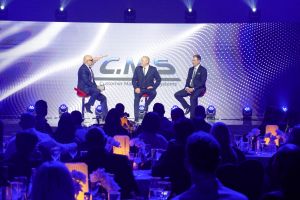
CMS Systems is celebrating 25 years in business, marking a significant milestone for a company that has become a central player in automotive retail technology.
 Advertisement
 Advertisement
I have bad reflexes. I was once run over by a car being pushed by two guys
Woody Allen
CMS Systems is celebrating 25 years in business, marking a significant milestone for a company that has become a central player in automotive retail technology.
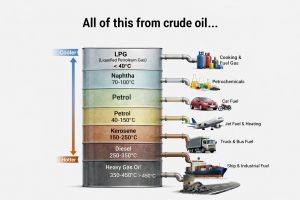
Oil prices jumped on Wednesday after Iran's seizure of container ships in the strait.

Hyundai Motor is preparing an aggressive comeback in China, unveiling plans to launch 20 new vehicles over the next five years as it tries to rebuild its position in the world’s largest car market.