
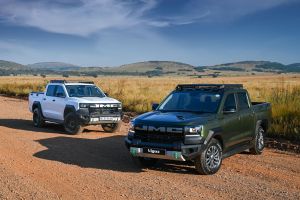
New JMC Vigus will make an impression
Following the official brand re-launch by the Salvador Caetano Group, JMC South Africa announce the arrival of the All-New JMC Vigus.
- Product News
- 17 April 2026
Volkswagen’s team in South Africa has done what it can to overcome what VW AG’s CEO of Passenger Cars Brand, Thomas Schäfer, called an "uphill battle", and ultimately the South African government needs to step up to solve the problems.
These strong words and warning about the future of the company's operations in South Africa were made against the background of the situation of the manufacturer’s plants in Europe. Issues regarding high costs and low productivity in Europe make Volkswagen’s cars uncompetitive, according to news reports. This will lead to staff reductions in Europe as part of a savings programme it was announced.
About the current situation in South Africa, Thomas said during a visit to the country that the German automaker has been in South Africa for nearly 80 years. “Factors like competitive labour costs once placed it among the company's higher-ranking bases globally.
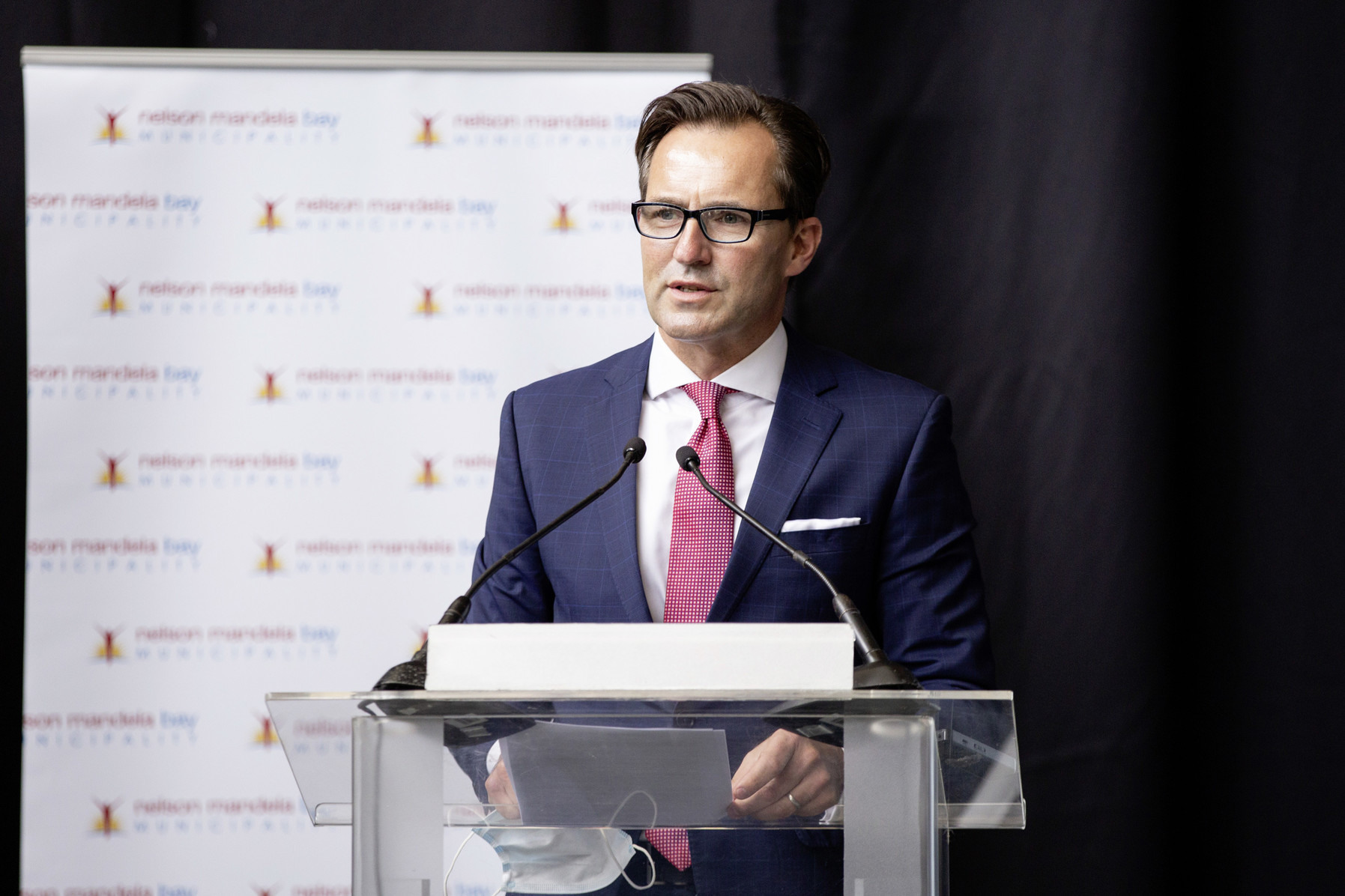
“But the cost of debilitating power outages caused by chronic production shortfalls at state-owned utility, Eskom, as well as rising labour costs and logjams on railways and at ports have eroded that advantage.
“Eventually you have to say, why are we building cars in a less competitive factory somewhere far away from the real market where the consumption is? I'm very worried about it... We are not in the business of running a charity," he says.
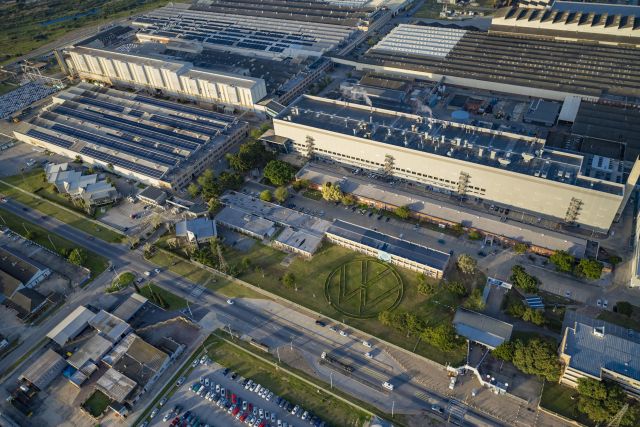
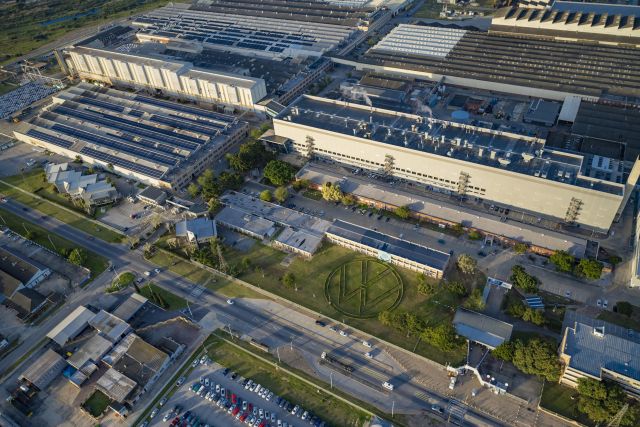
Volkswagen produced some 132 200 Polo and Vivo models at its South African facility in Kariega (formerly Uitenhage) last year, most of them for the export market.
Those export markets are now at risk of disappearing as wealthy countries move to electric vehicles (EVs). The European Union and Britain are planning to ban the sale of new internal combustion vehicles from 2035.
Thomas said there were no current plans to introduce EV manufacturing in South Africa, since electric cars are currently priced out of the reach of most domestic consumers. Producing them for export would not be environmentally sustainable.
“However, with the proper government policies aimed at leveraging the country's proximity to critical minerals like lithium and cobalt, it could become a battery-manufacturing hub. There is a realistic chance that South Africa, with enough focus, with all the raw materials in the neighbourhood, could be a champion," Thomas says.
Following the official brand re-launch by the Salvador Caetano Group, JMC South Africa announce the arrival of the All-New JMC Vigus.
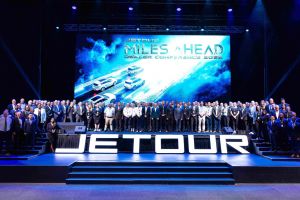
Jetour South Africa hosted its inaugural Dealer of the Year Awards on Tuesday night, bringing together its national dealer network of nearly 60 dealerships.
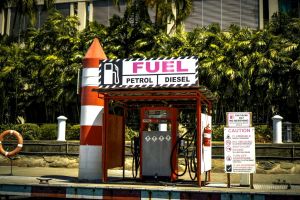
South Africa’s motorists and automotive sector are facing a fresh layer of uncertainty as the Middle East conflict continues to disrupt global oil markets, but for now the country’s fuel supply remains stable even as costs rise.
 Advertisement
 Advertisement
Have you ever noticed that anybody driving slower than you is an idiot, and anyone going faster than you is a maniac?
George Carlin
South Africa’s motorists and automotive sector are facing a fresh layer of uncertainty as the Middle East conflict continues to disrupt global oil markets, but for now the country’s fuel supply remains stable even as costs rise.
Stellantis has struck a five year strategic partnership with Microsoft as it accelerates its shift towards software defined vehicles and digital services.
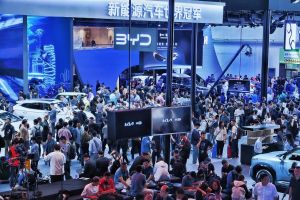
Auto China 2026 marks another milestone in the evolution of an event that has tracked China’s rise from emerging market to global automotive powerhouse.