

Hatfield Motor Group takes top honours at Audi Dealer Awards
Audi South Africa honoured the outstanding achievements of its national dealer network at the annual Audi Vorsprung Awards.
- Dealer News
- 28 April 2026
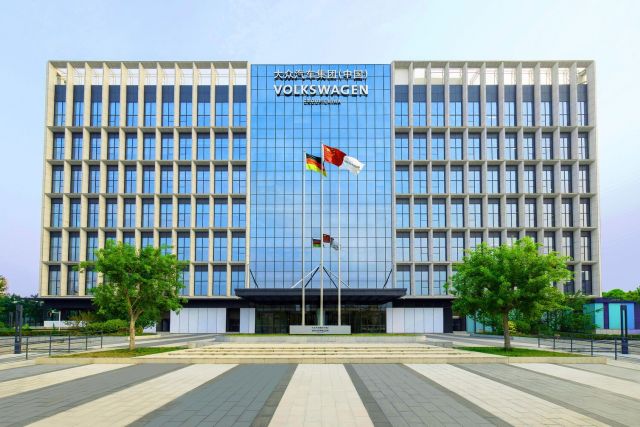
Volkswagen has slipped to third place in China’s automotive market, overtaken by Geely Auto after losing its decade-long dominance to BYD in 2024, according to industry data.
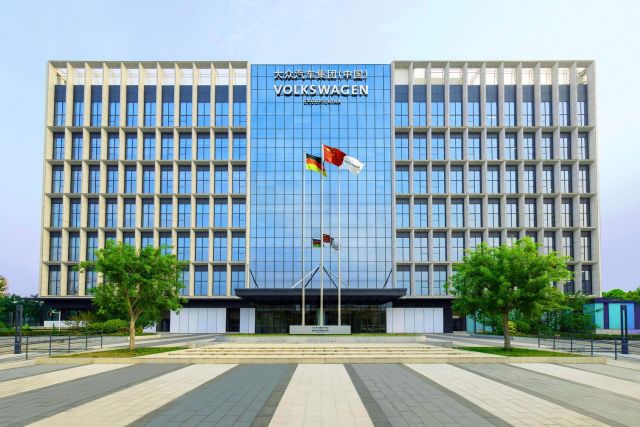
Figures from the China Passenger Car Association (CPCA) reveal that Volkswagen’s two joint ventures with state-owned FAW and SAIC Motor held a combined retail market share of 10.9%, down from 12.2% in 2024. Meanwhile, Geely Auto boosted its share to 11%, up from 7.7% in 2025, while BYD’s share declined slightly to 14.7% from 16.2%.
CPCA secretary-general Cui Dongshu confirmed that these joint ventures account for all Volkswagen sales in China. Despite the setback, Volkswagen remains the leading foreign brand in the country and is accelerating efforts to close the gap with domestic competitors.
Legacy foreign automakers such as Volkswagen, General Motors and Toyota have been losing ground to Chinese rivals due to a slower transition to electric vehicles (EVs). Chinese consumers increasingly prefer EVs, supported by government subsidies.
To regain momentum, Volkswagen is expanding its partnership with Xpeng to develop advanced electronic architecture for future models in China. Additionally, the company plans to design its first in-house chip for next-generation smart vehicles in collaboration with Horizon Robotics.
Volkswagen is also exploring opportunities to export China-developed vehicles to overseas markets, a strategy shared by BYD and other Chinese brands seeking growth beyond a cooling domestic market.
Geely and other Chinese automakers, including Leapmotor, gained significant traction last year, particularly in the budget segment. This segment, comprising vehicles priced below R410 000 (US$21 512), accounted for more than half of China’s new passenger car sales in 2025.
Audi South Africa honoured the outstanding achievements of its national dealer network at the annual Audi Vorsprung Awards.
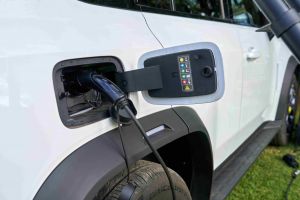
South Africa is experiencing its fastest shift yet towards electric mobility, driven not by environmental policy but by sheer economics.
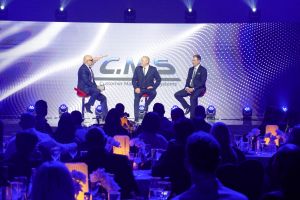
CMS Systems is celebrating 25 years in business, marking a significant milestone for a company that has become a central player in automotive retail technology.
 Advertisement
 Advertisement
You can't buy happiness but you can buy cars and that's kind of the same thing.
Unknown
CMS Systems is celebrating 25 years in business, marking a significant milestone for a company that has become a central player in automotive retail technology.
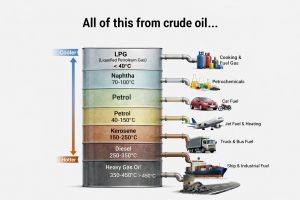
Oil prices jumped on Wednesday after Iran's seizure of container ships in the strait.
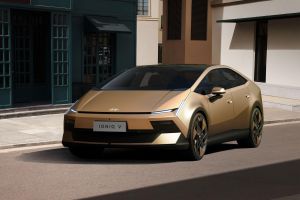
Hyundai Motor is preparing an aggressive comeback in China, unveiling plans to launch 20 new vehicles over the next five years as it tries to rebuild its position in the world’s largest car market.