
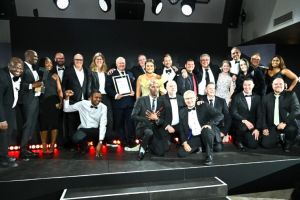
Hatfield Motor Group takes top honours at Audi Dealer Awards
Audi South Africa honoured the outstanding achievements of its national dealer network at the annual Audi Vorsprung Awards.
- Dealer News
- 28 April 2026
Major car manufacturers deliberately rigged diesel emission tests rather than meet legal standards, a London court heard on Monday as one of Britain's largest ever mass lawsuits began.
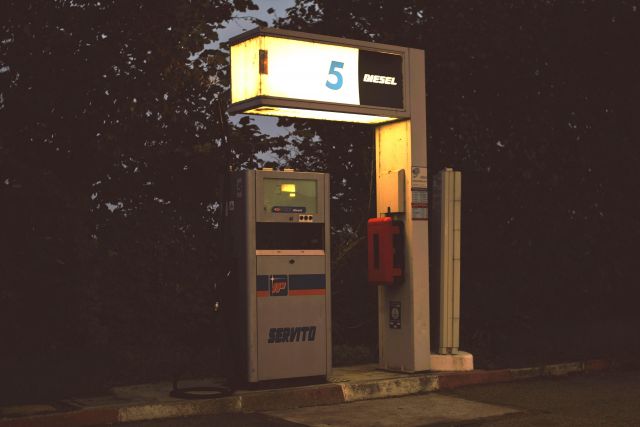
Nearly 1.6 million claimants are pursuing manufacturers, including Mercedes-Benz, Ford, Nissan, Renault, Peugeot and Citroën over allegations that their diesel vehicles were fitted with illegal "defeat devices" between 2012 and 2017.
Lawyers for the claimants told the High Court that these devices detected when cars were being tested and artificially reduced nitrogen oxide (NO) emissions to within legal thresholds. Once on the road, however, emissions reportedly soared to as much as 12 times the permitted levels.
The case comes a decade after Volkswagen's dieselgate scandal rocked the automotive industry. VW's admission in 2015 that it used defeat devices has already cost the company over R640 billion in refits, fines and legal settlements.
Tom de la Mare, representing the claimants, argued that car makers across the sector made a "conscious decision" to put customer convenience ahead of pollution control.
The manufacturers strongly dispute the allegations, insisting their emission control systems were legitimately calibrated to respond to different driving conditions. They reject any comparison with the VW scandal.
The trial will examine 20 sample vehicles from the five manufacturers named by approximately 850 000 claimants. A judgment is expected by mid-2026, and the ruling will also apply to roughly 800 000 additional claims against other brands, including Vauxhall/Opel and BMW.
Should the court find the sample vehicles contained prohibited defeat devices, a separate trial will determine compensation levels.
This marks the second time the High Court has adjudicated on defeat devices, having previously ruled against VW in 2020. VW settled without admitting liability in 2022.
Audi South Africa honoured the outstanding achievements of its national dealer network at the annual Audi Vorsprung Awards.
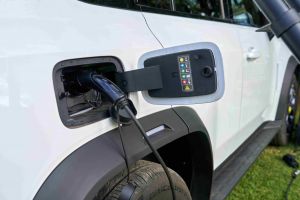
South Africa is experiencing its fastest shift yet towards electric mobility, driven not by environmental policy but by sheer economics.
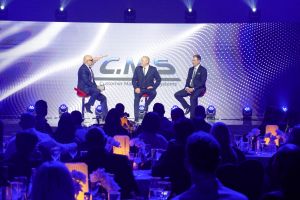
CMS Systems is celebrating 25 years in business, marking a significant milestone for a company that has become a central player in automotive retail technology.
 Advertisement
 Advertisement
I have bad reflexes. I was once run over by a car being pushed by two guys
Woody Allen
CMS Systems is celebrating 25 years in business, marking a significant milestone for a company that has become a central player in automotive retail technology.
Oil prices jumped on Wednesday after Iran's seizure of container ships in the strait.
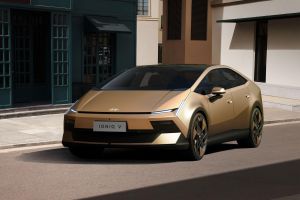
Hyundai Motor is preparing an aggressive comeback in China, unveiling plans to launch 20 new vehicles over the next five years as it tries to rebuild its position in the world’s largest car market.