Against a backdrop of record diesel prices and mounting pressure on transport businesses, Truck Test 2026 is set to provide one of the most comprehensive independent assessments of heavy commercial vehicles ever conducted on the continent.
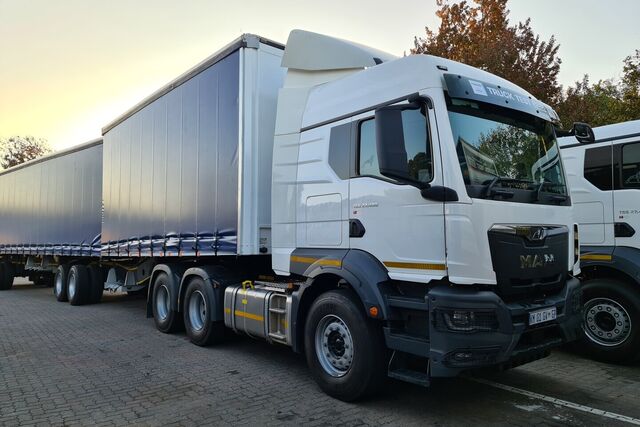
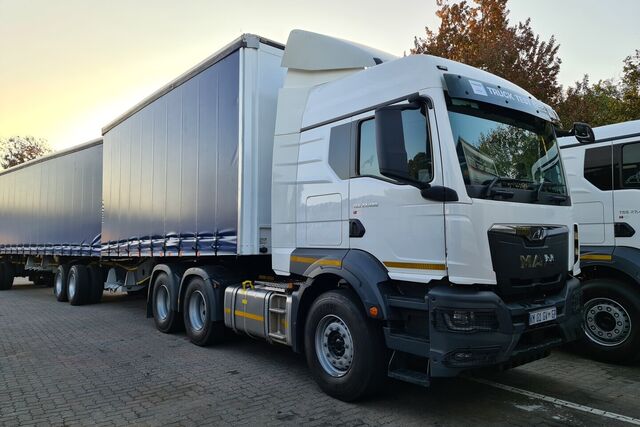
Scheduled to take place from 10 to 12 November, the event will see 20 extra-heavy commercial vehicles from 13 manufacturers put through their paces on South Africa's busiest freight corridor. Organisers describe it as the largest truck comparison test yet staged in Africa, with participants tackling the demanding Johannesburg to Durban and back route along the N3.
The route has been selected to reflect real-world operating conditions rather than controlled laboratory testing. Covering around 570km each way, the corridor is a vital artery for South African freight movement and presents a variety of challenges including long-distance hauling, steep gradients and heavy traffic volumes. To ensure a fair comparison, all participating trucks will operate at a similar gross combination mass and tow identical trailers.
The significance of the test extends far beyond a simple fuel economy competition. According to Charleen Clarke of FOCUS on Transport & Logistics, fuel efficiency has always been important, but current fuel prices have increased the value of every litre saved. The objective of Truck Test 2026 is therefore to provide transport operators with independent, real-world performance data they can use when making fleet purchasing decisions.
Fuel prices have become a major talking point across the industry. Inland diesel prices have climbed to unprecedented levels, with operators facing costs of around R31.95 per litre for 500ppm diesel and R33.29 per litre for 50ppm diesel. With road transport playing a critical role in the movement of goods throughout the country, rising fuel costs ultimately affect supply chains, businesses and consumers alike.
While fuel consumption will remain a key performance indicator during the test, organisers are also focusing on productivity. Data such as average speed, trip duration and overall operational efficiency will be assessed to create a broader productivity index. This approach reflects the realities of modern fleet management, where profitability depends not only on reducing fuel use but also on maintaining efficient delivery schedules and maximising vehicle utilisation.
Participating manufacturers include some of the biggest names in the trucking industry, among them Mercedes-Benz, Volvo Trucks, Scania, MAN, Iveco, DAF, Hino and FAW. The programme has also attracted support from organisations including the Road Freight Association, SAAFF, SAPICS and FESARTA, underlining its significance for the wider logistics sector.
Results will be released on 19 November, providing operators with an opportunity to compare how different truck models perform under identical operating conditions. As diesel costs continue to place pressure on transport businesses, the findings could offer valuable guidance on the best balance of fuel economy, productivity and operational efficiency.