

TVS powers South Africa’s growing delivery economy
South Africa’s rapidly expanding delivery sector is driving strong demand for affordable, dependable motorcycles that can withstand the demands of daily commercial use.
- Product News
- 20 November 2026
The South African economic environment became more challenging during September 2026, with renewed energy-driven inflationary pressures affecting household purchasing power and operating costs.
Headline CPI inflation increased to 4.4% year on year in August from 4.3% in July. Rising fuel prices and elevated global energy costs continued to influence inflation, operating costs and consumer spending.
Against this backdrop, new vehicle sales continued to expand at a double-digit rate, states The Automotive Business Council | naamsa.
According to naamsa, the increasingly competitive and diversified structure of the domestic vehicle market is one factor supporting demand. The expansion in the number of brands, models and price points has increased competition and broadened the range of vehicles available to consumers.
Affordability remains an important consideration for buyers, with competitive pricing, financing propositions and a wider range of entry-level and value-oriented products contributing to demand.
The manufacturing environment also showed an improvement during September. The seasonally adjusted Absa Purchasing Managers’ Index increased by 4.9 points to 50.7, moving back above the neutral 50-point level after three consecutive months in contractionary territory.
The improvement was supported by a strong rebound in new sales orders, while business activity recovered much of the decline recorded during August.
The document notes that the simultaneous improvement in the PMI and continued expansion in vehicle sales provide an indication of sustained consumer and business demand. It also states that it remains too early to conclude that a sustained manufacturing recovery is firmly established.
Dr Mncane Mthunzi says that while vehicle purchases remain sensitive to broader economic conditions, the sustained expansion in new vehicle sales demonstrates that the market is performing with notable resilience against prevailing macroeconomic pressures. “Increasing competition, greater product diversity, competitive pricing and attractive financing propositions are helping to sustain consumer demand despite continued pressure on household budgets.
“Encouragingly, the improvement in the PMI alongside double-digit growth in vehicle sales suggests strengthening underlying demand and provides early evidence of looming economic momentum. The automotive industry therefore continues to play an important role in supporting South Africa’s economic activity, investment, manufacturing and employment,” he says.
South Africa’s rapidly expanding delivery sector is driving strong demand for affordable, dependable motorcycles that can withstand the demands of daily commercial use.
One of the main results of the 2026 Global EV Driver Survey, released by the Global EV Alliance (GEVA) this week, show that South African battery electric vehicle (EV) drivers are among the most satisfied in the world.
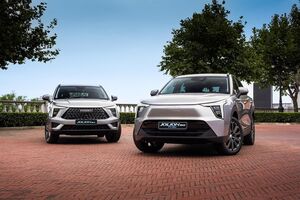
GWM South Africa has broadened its popular Jolion range with the introduction of the all-new Haval Jolion Max. Designed with modern families in mind, the newcomer combines increased interior space, new technology and a wider choice of powertrains, including petrol, hybrid and plug-in hybrid options.
 Advertisement
 Advertisement
I have bad reflexes. I was once run over by a car being pushed by two guys
Woody Allen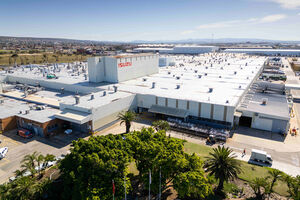
Isuzu Motors South Africa (IMSAf) has achieved a 38% reduction in Scope 1 and Scope 2 CO₂ emissions compared with its 2013 baseline while increasing vehicle production by 21% during the 2025/26 financial year at its Gqeberha manufacturing facility.

Diversifying oil supplies, investing in pipelines and rail infrastructure, improving port operations and expanding inland storage facilities are among the measures needed to reduce South Africa's vulnerability to international fuel supply disruptions.
Combined Motor Holdings (CMH) has appointed Charles Webber as the new Group CEO.