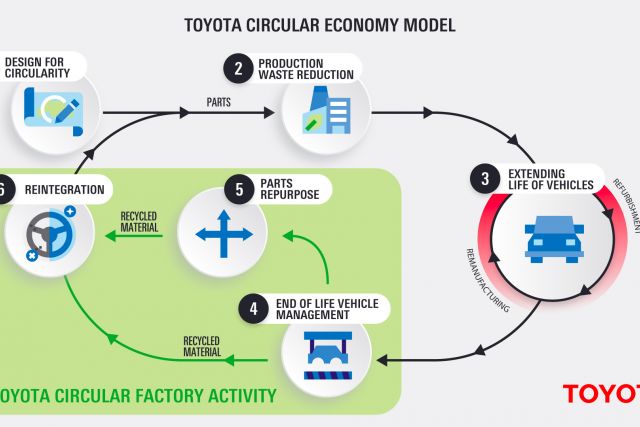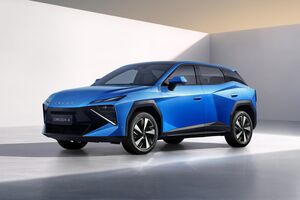
The 25 000 square metre facility will handle close to 20 000 end‑of‑life vehicles each year, cementing Toyota’s position as a leader in large‑scale automotive resource recovery.
The company’s approach is notable for its openness to vehicles from any brand. Rather than limiting the process to Toyota models, the factory will extract usable components and raw materials from all end‑of‑life cars.
Batteries and wheels will be screened for suitability for remanufacturing, repurposing or recycling, while metals such as copper, steel and aluminium, as well as plastics, will be recovered and reintegrated into the production of new Toyota vehicles.
This site becomes Toyota’s second Circular Factory in Europe, following the launch of its first in Burnaston in the United Kingdom in 2025. Both facilities form part of Toyota’s broader reduce‑reuse‑recycle operational framework, which aims to create more resilient supply chains, cut reliance on carbon‑intensive raw materials and reduce emissions throughout the value chain. The company positions circularity as essential for achieving carbon neutrality, a goal aligned with its commitment to eliminating emissions across its European operations and meeting European Union emissions regulations for 2035.
Walbrzych was selected due to its strong potential for sourcing end‑of‑life vehicles and its existing manufacturing base, which already produces key components for Toyota’s hybrid and conventional powertrains. The new facility will expand this ecosystem, integrating end‑of‑life processing directly alongside component manufacturing for greater efficiency and material traceability.
Leon van der Merwe, Toyota Motor Europe’s Vice President for Circular Economy, has described the plant as a benchmark for future investments across Europe. With the automotive sector under increasing pressure to demonstrate robust sustainability practices, Toyota’s move signals a clear industry direction: closed‑loop manufacturing is no longer optional, but a strategic imperative.
As Toyota prepares to share insights from its circularity leadership with the next generation of circular economy professionals, the message is unmistakable. The company is not merely adapting to regulatory and environmental pressures; it is actively setting the pace for a more resource‑efficient automotive future.