Toyota reopens TALA as technical skills shortages persist
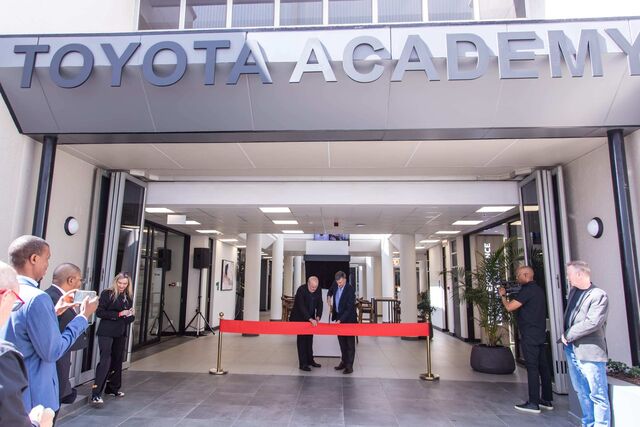
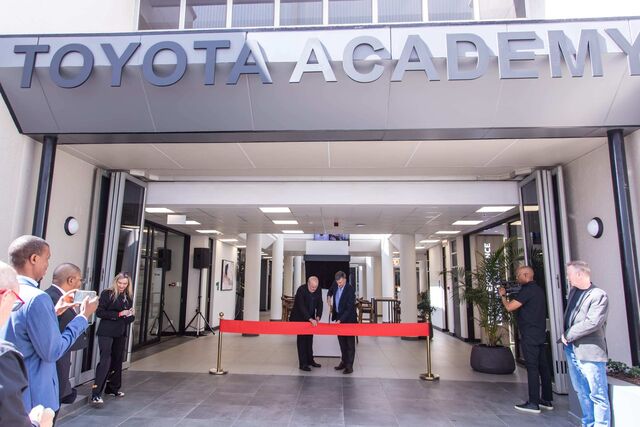
South Africa continues to face persistent technical skills shortages, and Toyota South Africa Motors (TSAM) has now reopened the training hub where it develops artisans and technical specialists. The Toyota Academy Learning for Africa (TALA) returns after a significant renovations investment.
Share with friends
Since its inception in 2006, TALA has served as a key enabler of Toyota’s local training and development needs, including artisan qualification. It supports Toyota’s operations and the broader manufacturing sector, and offers structured training pathways for dealer personnel, employees, suppliers and automotive leaders.
Kerry Roodt, Vice President Sales and Dealer Network at Toyota South Africa Motors, spoke at the reopening. “The Academy exists to translate investment in people into sturdier business performance, stronger dealer capability and a better customer experience,” he said. He added: “With advancements in vehicle technology and the evolution of retail models, TALA will provide an enabling environment for our people to learn and grow in alignment with these changes to ensure our continued competitiveness.”
TALA offers modular training programmes such as Workshop Assistant and Automotive Motor Mechanic, a Toyota Sales Advisor learnership and a Higher Certificate in Marketing Management. The Academy is also in the process of becoming External Integrated Summative Assessment (EISA) certified for Quality Council for Trades and Occupations (QCTO) trades, which will further expand its ability to support nationally recognised technical qualifications.
Learners gain practical experience using integrated Toyota systems in a structured training environment. Other training covers PicoScope, a Global Toyota Technician Program, New Energy Vehicle training, SAP HANA, Sales CRM and various soft skills.
TSAM describes the modernisation as timely, as the automotive industry continues to change at a rapid speed. The enhanced facilities have been designed to create a learning environment that supports collaboration, confidence and continuous improvement.
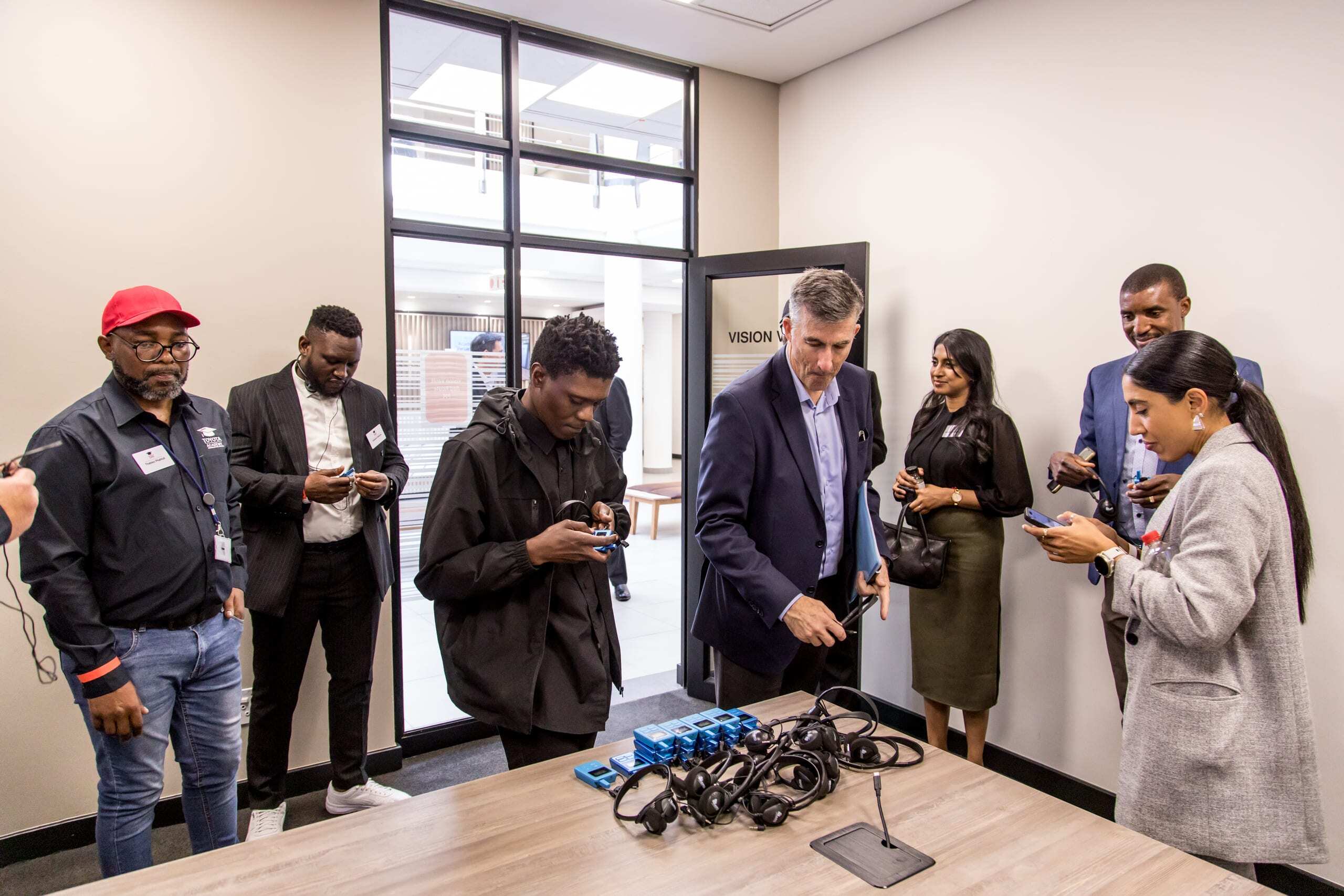
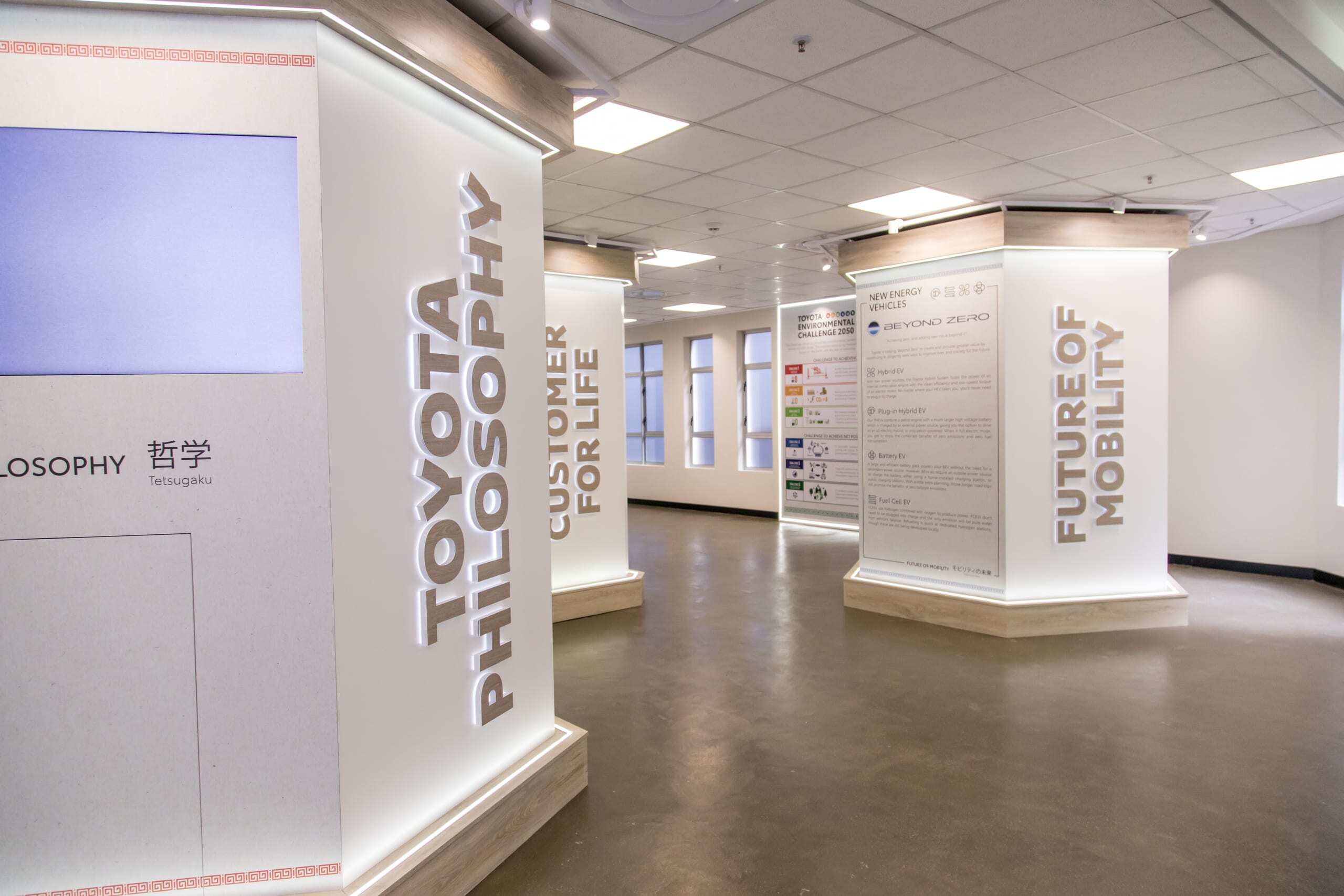
The renovated site has training rooms with 215 seats, a 218 seater auditorium, a Dealer Council room and meeting facilities, a coffee shop and collaboration spaces. Every classroom, workshop, meeting room, technology space and collaborative area has been designed to enable learning, capability development and business success. The Academy serves the Toyota dealer network and its employees.
Roodt closed the event with these words: “TALA is more than a training facility. It is a symbol of our confidence and commitment to the future. The Academy exists to support our dealer network and employees in their development goals.” He ended on a forward looking note: “We look forward to more learning, collaboration and growth of our people.”
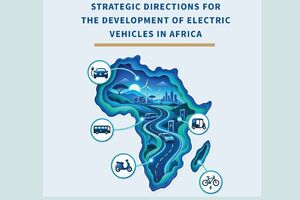
Energy security, electrification, grid infrastructure and sustainable transport take centre stage at COP31 in Antalya, Türkiye, as the climate conference devotes a full day to energy and transport. Africa enters that conversation with a plan of its own: the African Union’s (AU) Continental Framework on Electric Mobility (eMobility).
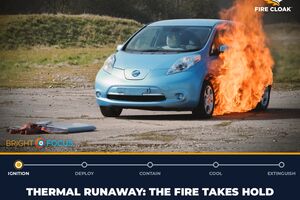
As electric and plug-in hybrid vehicles become more common in South Africa, dealerships and workshops face new safety challenges. In this article, sponsored by Bright Focus, we look at complete scenario surrounding the damaged high-voltage battery packs can present and the solution.
It is now 60 years since the first Toyota Corolla arrived in South Africa in 1966. Toyota is marking the anniversary with special editions of the Corolla Hatchback, Corolla Sedan and Corolla Cross, each with distinctive styling and commemorative details. The nameplate has grown from a compact family sedan into a range of hatchbacks, lift backs, coupés, performance models, MPVs and SUVs.
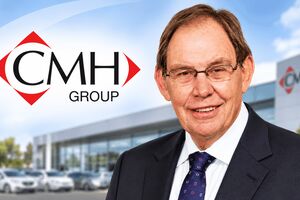
The South African motor industry has lost one of its longstanding business figures following the passing of Jebb McIntosh, the group chief executive of Combined Motor Holdings (CMH), on Monday, 2 November 2026.
“South Africa’s automotive industry has been AGOA’s largest user, but for the sector the preference has already been largely overridden by the 25% Section 232 tariffs applied on vehicles and components. Losing AGOA adds a further cost to an industry that has already absorbed a significant shock.”