Toyota and partners host hydrogen proof-of-concept demo
Earlier this week, Sasol, Toyota South Africa Motors (TSAM) and Air Products South Africa (APSA) made history at the Smart Mobility Africa Summit in Johannesburg with the presentation of South Africa’s first on-road demonstration of a hydrogen mobility ecosystem.
Share with friends
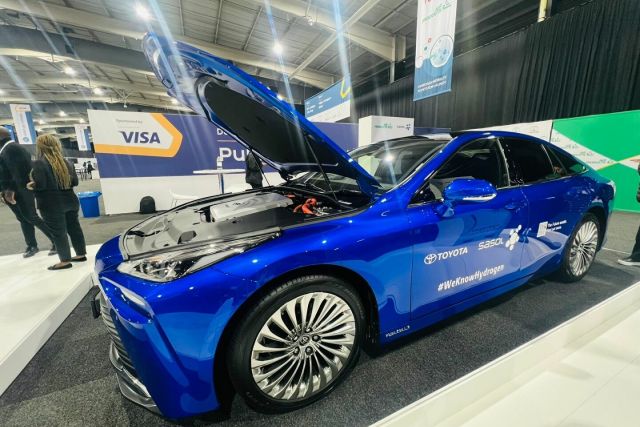
The proof-of-concept used a second-generation Toyota Mirai fuel cell electric vehicle (FCEV) fuelled with hydrogen produced by Sasol and dispensing technology provided by Air Products to take several VIPs as passengers around a test track. The partnership between the three technology leaders was formed in 2021 to promote the use of hydrogen as a fuel of the future.
“Today is an important stepping stone towards realising the ambitious goal of developing an on-road hydrogen mobility ecosystem,” said Fleetwood Grobler, President and CEO of Sasol.
“Hydrogen, the most abundant element in the universe, has the potential to be a game-changer in the quest for sustainable transport.”
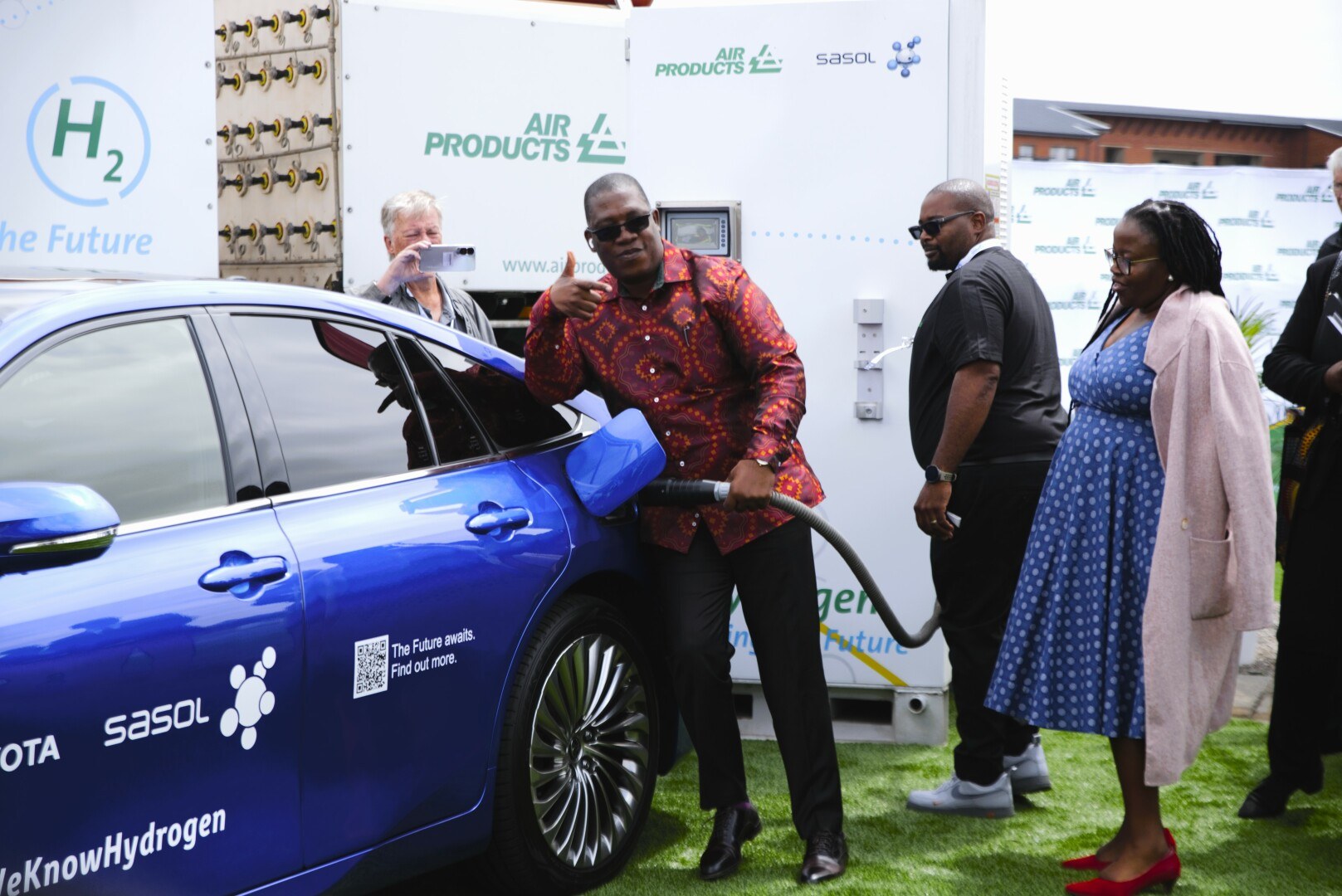
Gauteng Premier, Panyaza Lesufi, “filling up” at the Smart Mobility Africa Summit in Johannesburg.
Added Priscillah Mabelane, Sasol’s Executive Vice-President, Energy Business: “Sasol is proud of this opportunity to showcase the potential of a hydrogen transport system, which has been bolstered by our first green hydrogen production at our Sasolburg Operations where we have installed an initial 3 MW solar farm in Sasolburg.
“This will be supplemented by a supply of 69 MW of renewable energy from a wind farm in the Eastern Cape in 2024 to ramp up production to 3 500 tons a day. With both renewable resources on stream, we will have sufficient power to commercialise green hydrogen in South Africa, marking a significant step in our energy transition journey as a country and as Sasol.”
This proof-of-concept demonstration showcased a hydrogen mobility ecosystem, a sustainable alternative that can decarbonise the hard-to-abate and hard-to-electrify heavy duty transport sector such as long-haul trucks, buses and mining fleets.
“Toyota has been actively involved in the research and development of vehicles using hydrogen as a source of motive power for more than 30 years, going back to 1992,” explained Andrew Kirby, President and CEO of Toyota SA Motors.
“Toyota has sold more than 25 000 fuel cell electric vehicles (FCEVs) since then. In fact, a prototype FCEV was used in a static display at the 2002 World Summit on Sustainable Development, which was held in Johannesburg. Today, we are proud to have two of our second-generation Toyota Mirai sedans here for the ecosystem demonstration. They are the flagships of our hydrogen FCEV programme and were only launched last year,” explained Andrew.
“The hydrogen market is best suited to longer distance travel and larger vehicles such as trucks and buses, so Toyota is involved in several projects where the FCEVs are commercial vehicles made by Toyota or conversions of existing models from other manufacturers. There was an important development in this regard recently when Toyota UK unveiled and demonstrated a Hilux bakkie fitted with a specially adapted Mirai fuel cell powertrain. The prototype was assembled by Toyota UK in England, but there was significant input from TSAM too. In fact, the basic vehicles were built in Prospecton and then sent to England for fitment of the hydrogen fuel cell powertrain,” he explained.
“The challenge is how to commercialise a hydrogen mobility ecosystem in South Africa because it is a costly undertaking. It now needs more partners, investors and support from the government. The current partnership is looking at so-called eco-clusters as a start, for example, high commercial traffic areas in the country. Initially the Pretoria-Johannesburg region could be well-suited as these are high volume routes that could justify investment in hydrogen refuelling infrastructure. Longer term the focus will be on expanding the hydrogen ecosystems along major long-haul routes such as the N3 between Johannesburg and Durban and later into other African countries,” Andrew concluded.
Charging time remains a worry for many South Africans considering an electric vehicle, who still see it as a disruption rather than a quick stop at a filling station. That view is starting to shift.
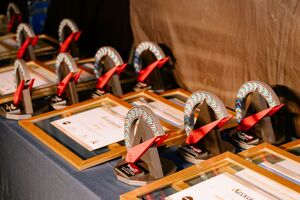
The winners of the 2026 Automotive Business Council | naamsa Accelerator Awards were announced at the recently held Auto Week 2026, which took place in eThekwini, KZN.
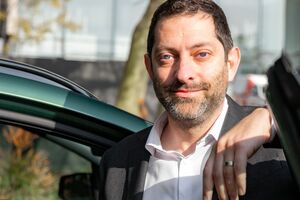
When Cobus Coetzee (photo) accepted the opportunity to join the Morgan Group in Upington, he had to weigh up more than a new position. The move meant exchanging the West Coast’s cooler climate and seaside lifestyle for the Northern Cape’s desert heat, while taking responsibility for a multi-franchise operation spread across several premises.
Cars are the ultimate symbol of freedom, independence and individualism. They offer the freedom to ‘go anywhere,’ whenever it suits and with whom one chooses.
The winners of the 2026 Automotive Business Council | naamsa Accelerator Awards were announced at the recently held Auto Week 2026, which took place in eThekwini, KZN.
With the steep rise in fuel prices since March this year leading to historic record highs following massive increases in October, the government intervention annouched this week, is widely welcomed.
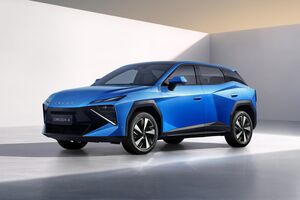
Omoda has confirmed that the new C4 will become the first model from the Chery Group to be built in South Africa, with production set to take place at the company's Rosslyn manufacturing facility in Gauteng.