On 28 April, Reuters reported that the companies said the door trim on the affected vehicles had been modified with a "notch" to minimise the risk in testing that the door interior could break leaving a sharp edge and causing injury to an occupant when the side airbag deployed in an accident.
The modification for testing was not part of the production vehicle, the companies said.
Toyota Chairman, Akio Toyoda, said the companies were investigating how the side-panel of Yaris and other models had been changed for safety testing and apologised for what he called an "unacceptable" violation of consumer trust.
In what seemed to be an attempt to downplay the scandal, Toyota said it had not received any report of an accident or injury related to the rigged side-crash test.
It was not immediately clear who had rigged the doors for crash testing, how widespread the knowledge of this action had been within Daihatsu and whether senior managers had approved the step.
"We'll proceed with a detailed investigation from here on but promise to decisively understand what happened at the site, investigate the true intentions and sincerely work to prevent a recurrence," Toyoda told reporters.
"We're going to need some time to do that," he said.
Daihatsu said it had discovered the rigged safety test after a whistle-blower report. It said it had reported the issue to regulatory agencies and stopped shipment of the affected models.
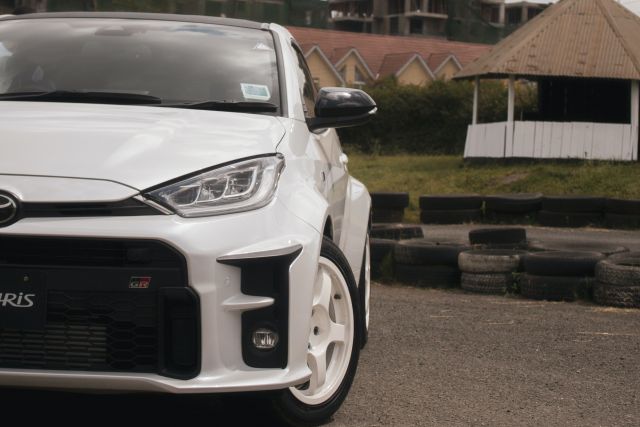
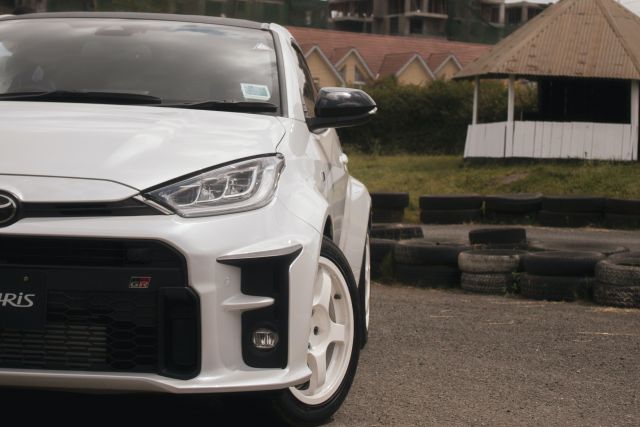
The affected models include Toyota Yaris Ativs made in Thailand from last August, and Perodua Axias manufactured in Malaysia starting from February.
Of the 88,000-plus vehicles, some 76,000 were Yaris models mainly bound for Thailand, Mexico and Gulf Cooperation Council countries, Daihatsu said.
About 11,800 affected vehicles were Axias manufactured by Daihatsu at a joint venture plant it runs with Malaysian automaker, Perodua. Those cars were sold in Malaysia.
The Gulf Cooperation Council comprises Saudi Arabia, the United Arab Emirates, Kuwait, Qatar, Bahrain and Oman.
Daihatsu said it would run new safety tests in the presence of regulators and confirm the safety of the models before resuming shipments.
The discovery of the rigged safety test is the first crisis for Toyota President, Koji Sato, who took over the top job from Toyoda on April 1.
"We have to find the cause of what happened, including examining the environment in which it happened, and once we've confirmed that, we have to take appropriate action to address the underlying cause," Sato said.
Toyoda, who was Toyota president in 2010 when a string of recalls prompted US investigations, said he wanted all Toyota employees and those at affiliates to understand that "making better cars" required a commitment to speak out about problems.
"We can't run away from this or hide," he said.
Daihatsu, which specialises in the production of small cars, became a wholly owned Toyota subsidiary in 2016 when Toyoda was president.
The incident comes at a time when Toyota has been ramping production back up from restrictions imposed by a shortage of semiconductors, facing pressure to move faster to roll out new and cost-competitive electric vehicles and dealing with a sales slump in China, a key market.