The value of earnings per kilometre in the road transport sector
Given the ongoing discussions about logistics efficiency, diesel price volatility and the broader freight performance outlook in South Africa, Dealerfloor publish commentary from Banie Claasen, Managing Executive for Specialised Lending Products at Absa Business Banking on this important topic.
Share with friends
South Africa is blessed with an expansive 750 000km road network, the largest in Africa and the tenth largest in the world. Naturally, road dominates freight movement, with an 80% market share, making it the biggest subsector in transport.
Road transport operators managing fleets of all sizes, from interlink trucks and tautliners to flatbeds, refrigerated units, bulk tankers, car carriers and other specialised vehicles, are the animating force of this economy. They haul everything we and the country need.
But the industry has experienced its share of ups and downs. According to the C-Track Transport and Freight Index (TFI), which measures the sector's performance, there was 2.4% growth in the first quarter of this year, but a slower rate of 0.8% in the second, in line with GDP.
To make it in the tough road freight industry where internal and external factors compress margins, operators need smart fleet management strategies.
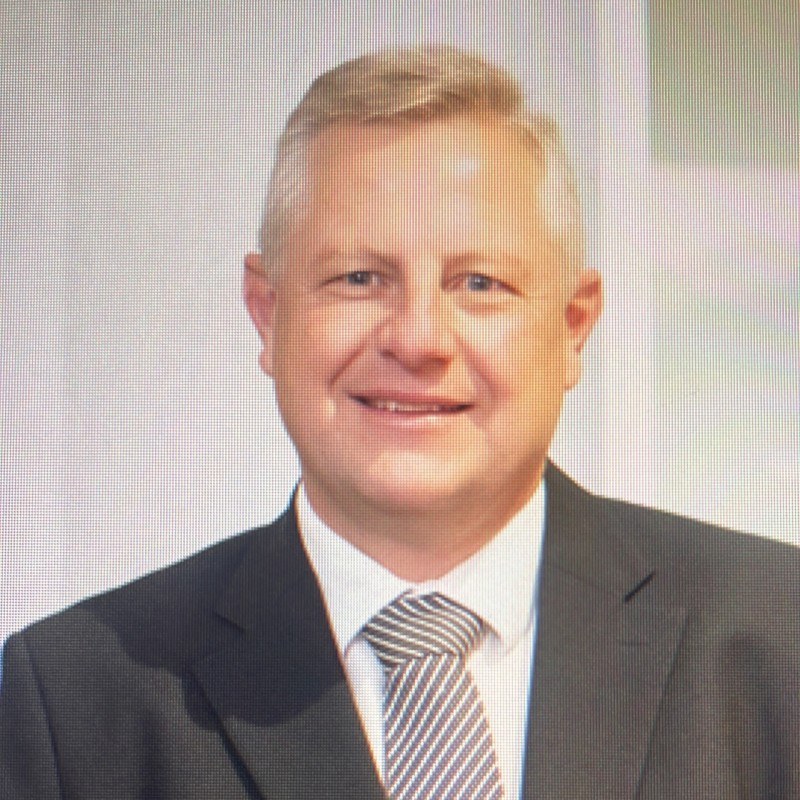
Banie Claasen (Managing Executive for Specialised Lending Products at Absa Business Banking).
Earnings Per Kilometre (EPK) is a profitability metric that shows how much revenue a vehicle generates per kilometre travelled. It helps operators assess whether their pricing strategies, fleet utilisation and cost management align with sustainable profitability.
The going rate per kilometre varies depending on the route, the type of commodity and various other factors. So, what are the revenue-side and cost-side pressures that eat into this thin EPK margin for operators?
On the revenue side, intense competition in road freight and logistics keeps rates under pressure. Road freight hauling is an open market marked by intense competition among operators. Those who overprice are quickly replaced by cheaper competitors. There is over-capacity in certain corridors, most notably, the container corridor between Johannesburg and Durban, pushing prices down.
Macroeconomic factors such as the slowdown in economic growth and lower consumer demand also add to revenue pressure and thinning margins. For example, volatility in global trade has negatively affected domestic transport and logistics. Take the reciprocal tariffs by the Trump administration on key SA imports, which have had a knock-on effect on local automotive sectors.
On the cost side, fuel remains the most immediate saboteur of Cost per Kilometre (CPK). It is a dominant driver, accounting for up to 55% of operational costs. The recovery of the rand against the US Dollar has pushed the diesel price slightly down.
An increase in the cost of vehicle parts, maintenance and repair charges, higher wages, rising insurance premiums, tolls and road charges, and the financing costs of fleet acquisition or expansion, all also have a negative net impact on CPK.
It is critical that transport operators choose the right partner who can offer financial solutions tailor-made for success in this intensely competitive and volatile industry. The right partner can help operators craft fleet optimisation strategies and offer transactional tools that help ease operational cost pressures, actively manage the total cost of ownership and ensure a future-fit replacement strategy.
For transporters looking to expand or modernise their fleets, long-term lending packages at reasonable interest rates assist in the sustainable management of costs. Automated fleet management systems and fuel efficiency measures encompassing telematics, route optimisation and driver training to reduce fuel burn can also result in significant operational cost savings. This has also led to higher demand for full maintenance lease solutions whereby the fleet operator prefers a risk prevention strategy and focus on fleet efficiencies and not ownership.
Of course, an operator could choose to go it alone. However, those who seek to maximise efficiencies will understand the added value of choosing the right partner. A partner who understands the needs of the sector can offer strategic advice when it comes to contract renegotiation; for example, linking tariffs to fuel indices or the Consumer Price Index (CPI) to hedge against cost increases.
Hyundai Automotive South Africa officially opened Hyundai Midrand, a new dealership aimed at strengthening the brand’s presence in Gauteng and responding to growing customer demand in one of the province’s fastest-growing commercial corridors.
The compact SUV market in South Africa has gained a new contender with the arrival of the GAC Emzoom Nova. It joins the existing Emzoom Executive and Emzoom R‑Style models, broadening the range offered by Salvador Caetano South Africa, the official distributor of GAC Motor.
Chinese vehicle brand Changan has strengthened its South African retail presence with the opening of a new flagship dealership in Umhlanga, KwaZulu-Natal, as the company pushes ahead with plans to establish about 45 dealerships nationally during 2026.
A South African dealership has been instructed to remove or amend an advertisement for a new Jetour T2 after the Advertising Regulatory Board (ARB) ruled that the listing created the impression that a specific vehicle was immediately available for purchase when it was not.
If you were hoping to experience the roaring streets of the Isle of Man TT in 2026, you are already too late. This event, with practice sessions starting on 25 May 2026 and racing commencing on the 30th, requires at least six to twelve months of planning, along with a substantial budget.
Pinewood.AI has added two new embedded modules to its Business Intelligence Solution, giving dealers and OEMs greater insight into financial performance and the customer journey, it says.