

TVS powers South Africa’s growing delivery economy
South Africa’s rapidly expanding delivery sector is driving strong demand for affordable, dependable motorcycles that can withstand the demands of daily commercial use.
- Product News
- 20 November 2026
Mazda Southern Africa has announced the end of the production and importation of the Mazda BT-50 Double Cab Pickup for the South African market.
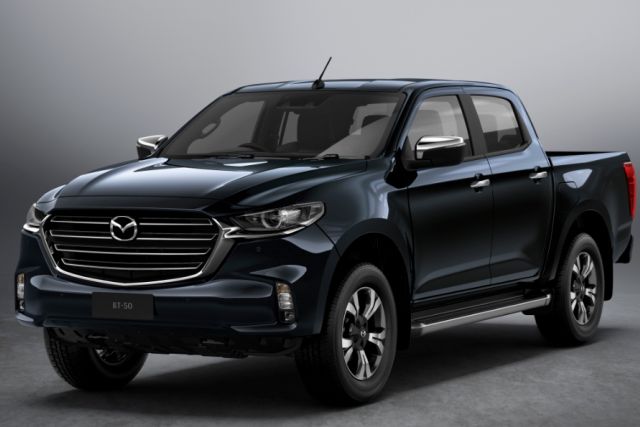
Since it debuted in 2008, replacing Mazda’s successful B-series of LCVs, the BT-50 has had mixed sales results for Mazda in the local market. The BT-50 was originally manufactured in an alliance with Ford Motor Company of SA at its Silverton plant.
The current version, which launched in 2021 and was manufactured in Thailand as part of an alliance with Isuzu, has not made inroads into our extremely competitive double-cab market, especially compared to brands that manufacture locally.
“The South African LCV scene, and in particular the double cab market, is extremely well developed and competitive with locally manufactured brands and nameplates dominating sales. This factor, as well as an extremely challenging landscape for imported vehicles competing directly with locally manufactured products, has led Mazda SA to make this difficult decision., commented Craig Roberts MD of Mazda SA.
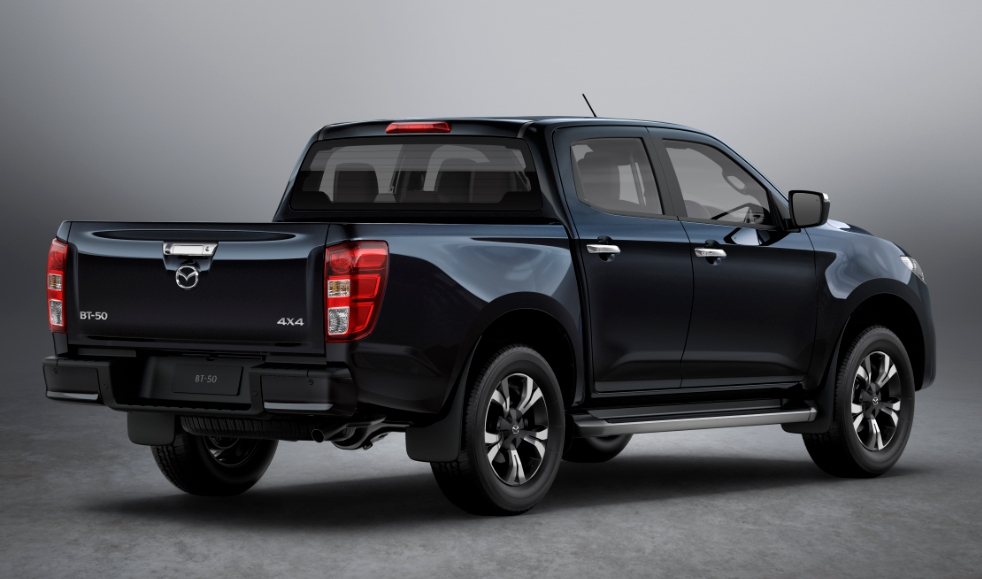
Current Inventory at dealers will be the final available BT-50 vehicles for retail sale in SA and no further imports of the BT-50 will be brought to SA by Mazda SA Pty Ltd.
The existing BT-50 car parc, both current generation as well as previous generation vehicles under Warranty and in Service Plan, including all vehicles currently in service on SA roads will continue to be supported by Mazda SA and its 42 Dealers around the country. As with the run-out of any specific model, Mazda SA will continue to support BT-50 with all service, repair and replacement parts.
Mazda Corporation will continue to manufacture the BT-50 as part of its alliance with Isuzu for other global markets.
South Africa’s rapidly expanding delivery sector is driving strong demand for affordable, dependable motorcycles that can withstand the demands of daily commercial use.
One of the main results of the 2026 Global EV Driver Survey, released by the Global EV Alliance (GEVA) this week, show that South African battery electric vehicle (EV) drivers are among the most satisfied in the world.
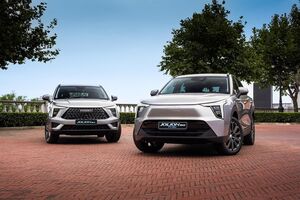
GWM South Africa has broadened its popular Jolion range with the introduction of the all-new Haval Jolion Max. Designed with modern families in mind, the newcomer combines increased interior space, new technology and a wider choice of powertrains, including petrol, hybrid and plug-in hybrid options.
 Advertisement
 Advertisement
I have bad reflexes. I was once run over by a car being pushed by two guys
Woody Allen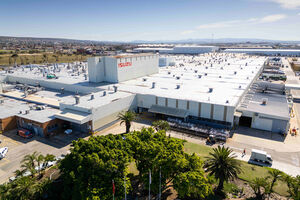
Isuzu Motors South Africa (IMSAf) has achieved a 38% reduction in Scope 1 and Scope 2 CO₂ emissions compared with its 2013 baseline while increasing vehicle production by 21% during the 2025/26 financial year at its Gqeberha manufacturing facility.

Diversifying oil supplies, investing in pipelines and rail infrastructure, improving port operations and expanding inland storage facilities are among the measures needed to reduce South Africa's vulnerability to international fuel supply disruptions.
Combined Motor Holdings (CMH) has appointed Charles Webber as the new Group CEO.