South Africa’s oil and fuel supply and the Strait of Hormuz
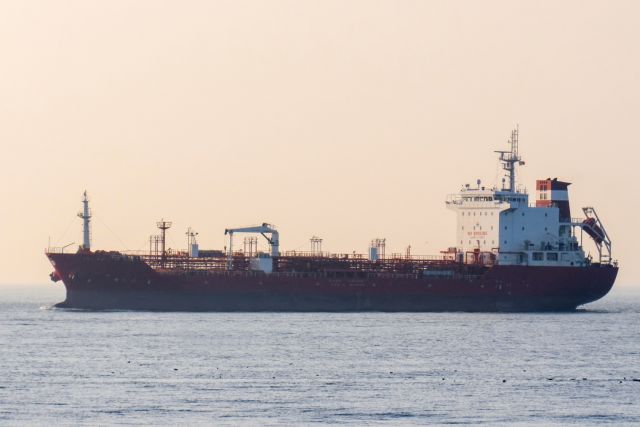
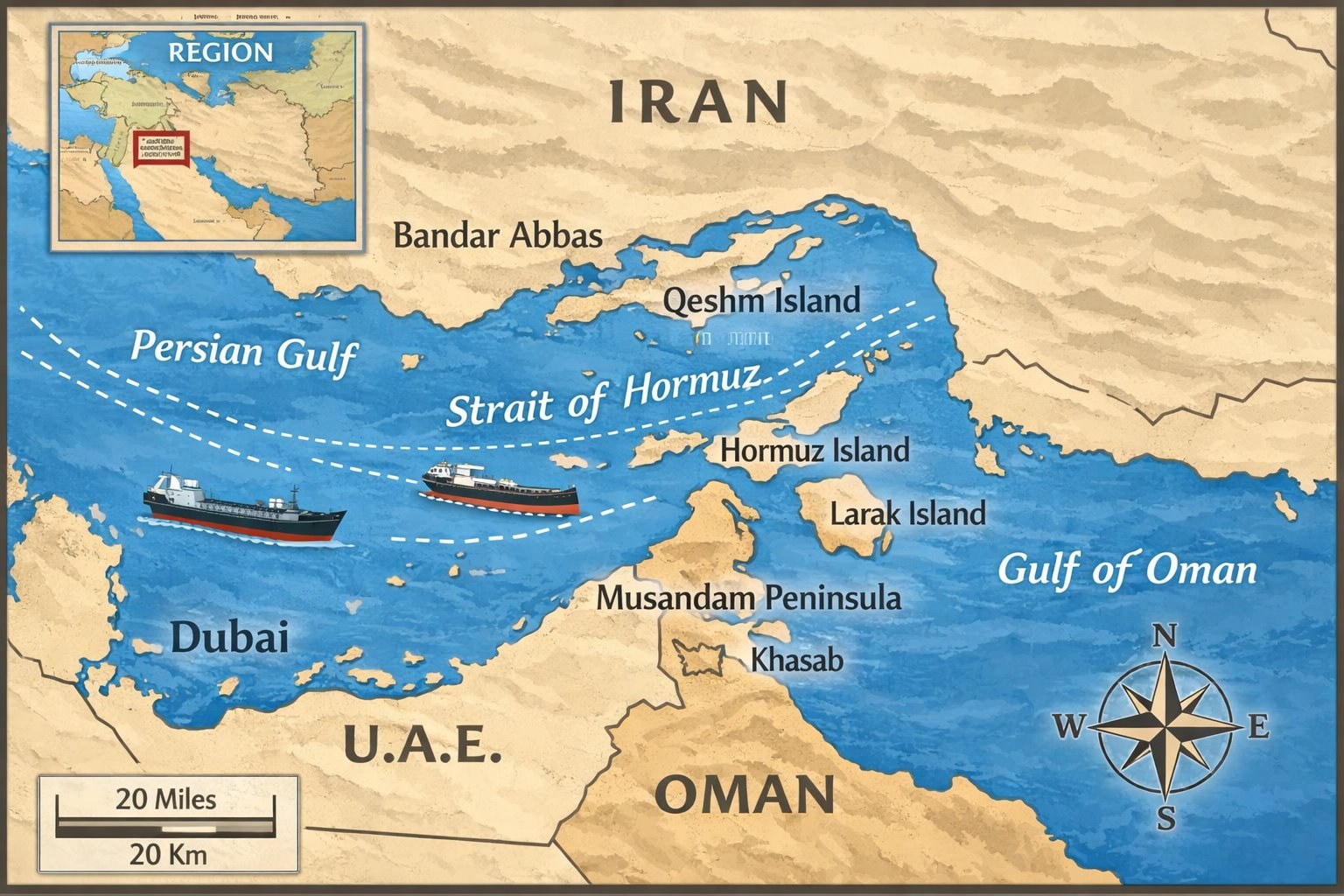
With tensions and conflict in the Middle East raising concerns about global energy supplies, attention has again focused on the Strait of Hormuz, one of the most important oil shipping routes in the world.
Share with friends
A large share of globally traded crude oil and petroleum products passes through this narrow waterway between Iran and Oman. For South Africa, which relies heavily on imported oil and fuel, disruptions in this region could have significant implications.
South Africa imports both crude oil for refining and finished petroleum products such as diesel and petrol. Looking at the full supply chain provides a clearer picture of how exposed the country is to instability in the Gulf region.
Crude oil imports:
South Africa produces very little crude oil domestically and relies almost entirely on imports to supply its refineries. In 2023 the country imported roughly 13.2 billion litres of crude oil, equivalent to about 138 000 barrels per day.
Most of this crude does not come from the Middle East but rather from African producers. Nigeria is typically the largest supplier (29%), followed by Saudi Arabia (24%), the United States (8%), Angola (7%) and Algeria (4%). Smaller volumes come from other producers.
African suppliers therefore account for roughly two thirds of South Africa’s crude oil imports, reflecting both geographic proximity and the compatibility of West African crude with local refinery configurations.
Among these suppliers, Saudi Arabia (24%) is the only major exporter located in the Persian Gulf. Oil shipments from Saudi Arabia normally pass through the Strait of Hormuz, meaning that about a quarter of South Africa’s crude oil imports are directly linked to this shipping route.
About 20% of the world’s oil pass through the Strait of Hormuz.
Growing dependence on refined fuel imports:
Crude oil is only part of the country’s fuel supply picture. In recent years South Africa has become increasingly dependent on imports of finished petroleum products, particularly after several domestic refineries were shut down or placed under maintenance.
In 2023 South Africa imported approximately 19 billion litres of refined fuel products, significantly more than the volume of crude oil imported during the same year.
These imports consisted mainly of:
Diesel (67%).
Petrol (23%)
Liquefied petroleum gas (5%)
Jet fuel (4%)
Illuminating paraffin (2%)
Diesel dominates imports because it powers much of the country’s economy, including mining operations, long distance trucking, agriculture and backup electricity generation.
Where South Africa’s diesel and petrol come from:
Unlike crude oil, which largely comes from Africa, refined fuel imports originate mostly from large international refining hubs, many of them located in or near the Persian Gulf.
For diesel, the main suppliers in recent years have included India (about 20%), Oman (20%), United Arab Emirates – UAE - (20%), Bahrain (14%) and Saudi Arabia (8%).
Petrol imports show a similar pattern, with India (19%), UAE (18%), Oman (10%), Italy (9%), Turkey (7%) and Singapore (6%) among the largest suppliers.
More recent trade figures show the same trend continuing, with Oman (34%) and India (20%) dominating diesel imports, while the UAE (35%) and India (24%) supply most petrol imports.
Why the Strait of Hormuz matters:
Several of these major suppliers, including Oman, the UAE, Bahrain and Saudi Arabia, are in the Persian Gulf. Fuel shipments from these countries generally pass through the Strait of Hormuz before reaching international shipping lanes.
This means South Africa’s exposure to disruptions in the strait is larger when refined fuel imports are included, not just crude oil. Gulf producers supply a significant share of the diesel and petrol used in the country, particularly as local refining capacity has declined.
The bottom line:
The country imports roughly 13 billion litres of crude oil per year and about 19 billion litres of finished petroleum products, while domestic crude production contributes less than 1% of supply.
Although only about a quarter of South Africa’s crude oil imports come directly from the Persian Gulf, the country’s growing reliance on diesel and petrol imported from Gulf refining centres means that disruptions in the Strait of Hormuz could still have a significant impact on fuel availability and prices in South Africa.
Sources:
South African Department of Mineral Resources and Energy, South African Energy Trade Report 2023 and 2024.
South African Revenue Service petroleum trade statistics.
US Energy Information Administration, Country Analysis Brief: South Africa.
Hyundai Automotive South Africa officially opened Hyundai Midrand, a new dealership aimed at strengthening the brand’s presence in Gauteng and responding to growing customer demand in one of the province’s fastest-growing commercial corridors.
The compact SUV market in South Africa has gained a new contender with the arrival of the GAC Emzoom Nova. It joins the existing Emzoom Executive and Emzoom R‑Style models, broadening the range offered by Salvador Caetano South Africa, the official distributor of GAC Motor.
Chinese vehicle brand Changan has strengthened its South African retail presence with the opening of a new flagship dealership in Umhlanga, KwaZulu-Natal, as the company pushes ahead with plans to establish about 45 dealerships nationally during 2026.
A South African dealership has been instructed to remove or amend an advertisement for a new Jetour T2 after the Advertising Regulatory Board (ARB) ruled that the listing created the impression that a specific vehicle was immediately available for purchase when it was not.
If you were hoping to experience the roaring streets of the Isle of Man TT in 2026, you are already too late. This event, with practice sessions starting on 25 May 2026 and racing commencing on the 30th, requires at least six to twelve months of planning, along with a substantial budget.
Pinewood.AI has added two new embedded modules to its Business Intelligence Solution, giving dealers and OEMs greater insight into financial performance and the customer journey, it says.