

Hatfield Motor Group takes top honours at Audi Dealer Awards
Audi South Africa honoured the outstanding achievements of its national dealer network at the annual Audi Vorsprung Awards.
- Dealer News
- 28 April 2026
Despite potential headwinds, South Africa’s automotive industry remains committed to long-term growth and resilience.
As the Automotive Business Council (naamsa) celebrates its 90th anniversary, this milestone highlights the industry’s remarkable adaptability. The pace of change in the next decade is expected to surpass anything witnessed in the past nine decades, driven by economic shifts, rapid technological advancements and evolving consumer trends.
The post-pandemic recovery in vehicle sales affirms the sector’s ability to weather economic cycles, with agility playing a key role in sustaining future growth, naamsa says during its comment on the March new-vehicle sales figures that were just released and show some positive trends.
Reinforcing its commitment to industry transformation and strategic collaboration, naamsa announced that the 2025 SA Auto Week [SAAW] would be hosted in the Eastern Cape from 1 to 3 October 2025 under the theme, “Reimagining the Future, TOGETHER: Cultivating Inclusive Growth and Shared Prosperity”.
SAAW 2025 aims to mobilise new investments into the auto sector, fostering growth and reindustrialising South Africa’s manufacturing base.
As South Africa’s premier automotive conference, SAAW 2025 will convene key stakeholders – including auto professionals, global vehicle OEMs, component manufacturers, regulators, policymakers, investors, business and political leaders, as well as decision-makers from around the world – to drive innovation, strengthen global partnerships and shape the future of the industry in an evolving economic landscape, naamsa states.
Audi South Africa honoured the outstanding achievements of its national dealer network at the annual Audi Vorsprung Awards.

South Africa is experiencing its fastest shift yet towards electric mobility, driven not by environmental policy but by sheer economics.
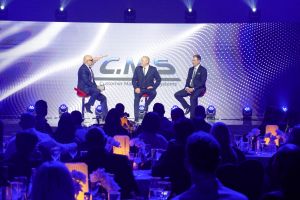
CMS Systems is celebrating 25 years in business, marking a significant milestone for a company that has become a central player in automotive retail technology.
 Advertisement
Advertisement
Advertisement
I have bad reflexes. I was once run over by a car being pushed by two guys
Woody Allen
CMS Systems is celebrating 25 years in business, marking a significant milestone for a company that has become a central player in automotive retail technology.
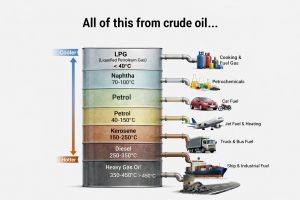
Oil prices jumped on Wednesday after Iran's seizure of container ships in the strait.

Hyundai Motor is preparing an aggressive comeback in China, unveiling plans to launch 20 new vehicles over the next five years as it tries to rebuild its position in the world’s largest car market.