
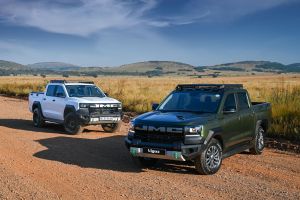
New JMC Vigus will make an impression
Following the official brand re-launch by the Salvador Caetano Group, JMC South Africa announce the arrival of the All-New JMC Vigus.
- Product News
- 17 April 2026
President Cyril Ramaphosa has expressed strong confidence in South Africa's automotive industry, stating it is making crucial investments to build resilience and lead the transition to green mobility despite mounting global pressures.
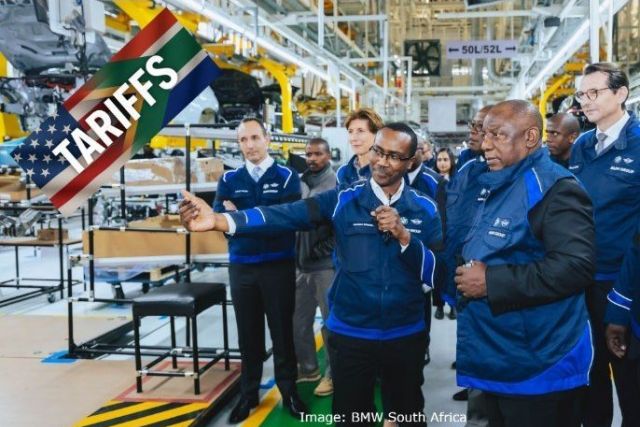
In his weekly newsletter this week, Ramaphosa emphasized protecting existing automotive jobs as paramount, particularly with looming US tariffs threatening the sector. He stressed the urgent need to diversify export markets, committing to work with industry players to expand their continental presence and leverage existing trade relationships within the Southern African Development Community (SADC) region.
The sector's economic impact is substantial, supporting more than 115 000 direct manufacturing jobs and over 500 000 positions across the value chain, while contributing approximately 5.3% to the country's GDP. Currently, exports account for around two-thirds of local vehicle production.
However, Ramaphosa acknowledged significant challenges ahead, including new emissions regulations in key markets like the European Union and fresh USA tariffs. The global shift from internal combustion engines toward hybrid and electric vehicles has made green mobility increasingly critical for manufacturers.
The recent launch of BMW's new X3 plug-in hybrid at the company's Rosslyn plant in Tshwane highlighted this transition. South Africa serves as the exclusive global production site for this model, representing what Ramaphosa called "a welcome signal to investors that South Africa remains a favourable place to do business."
Following the official brand re-launch by the Salvador Caetano Group, JMC South Africa announce the arrival of the All-New JMC Vigus.

Jetour South Africa hosted its inaugural Dealer of the Year Awards on Tuesday night, bringing together its national dealer network of nearly 60 dealerships.
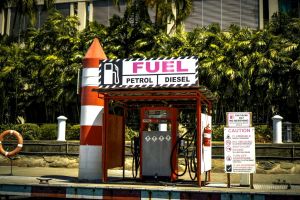
South Africa’s motorists and automotive sector are facing a fresh layer of uncertainty as the Middle East conflict continues to disrupt global oil markets, but for now the country’s fuel supply remains stable even as costs rise.
 Advertisement
Advertisement
Advertisement
I have bad reflexes. I was once run over by a car being pushed by two guys
Woody Allen
South Africa’s motorists and automotive sector are facing a fresh layer of uncertainty as the Middle East conflict continues to disrupt global oil markets, but for now the country’s fuel supply remains stable even as costs rise.

Stellantis has struck a five year strategic partnership with Microsoft as it accelerates its shift towards software defined vehicles and digital services.
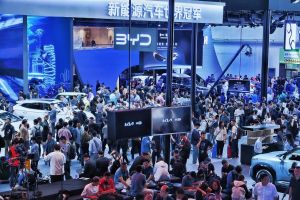
Auto China 2026 marks another milestone in the evolution of an event that has tracked China’s rise from emerging market to global automotive powerhouse.