

Hatfield Motor Group takes top honours at Audi Dealer Awards
Audi South Africa honoured the outstanding achievements of its national dealer network at the annual Audi Vorsprung Awards.
- Dealer News
- 28 April 2026
Proton SA says that following the recent release of CMH’s annual results, it would like to clarify Proton South Africa’s position and reaffirm the company’s long-term commitment to the local market.
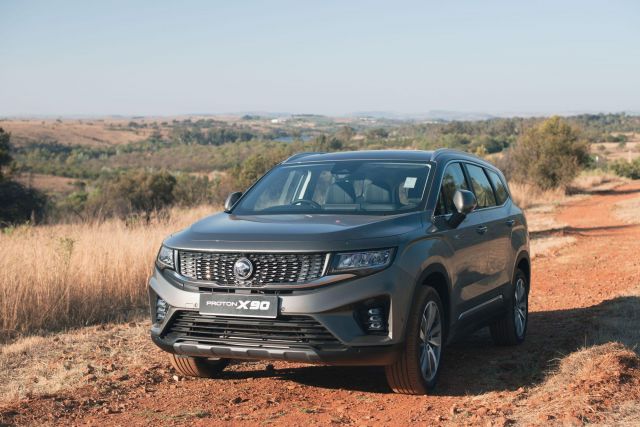
“Despite recent media speculation, Proton is not exiting the South African market. The reference made by CMH CEO Jebb McIntosh during the results presentation was strictly in relation to stock liquidation of ageing inventory in a very difficult and competitive market — a standard industry practice to prepare for the arrival of exciting new models.
“Proton is strengthening its home market presence by preparing to launch new-generation vehicles, including compact sedans, hatchbacks and competitive B-segment SUVs with internal combustion and hybrid powertrains,” a statement from the brand reads.
It goes further and emphasises that every Proton X-Series model is backed by an industry-leading 5-year unlimited kilometre warranty, with 24/7 nationwide roadside assistance throughout the full warranty period — fully transferable between owners. This means true peace of mind and exceptional resale value for all Proton vehicles backed up by an exceptional local parts and service backup, says Proton.
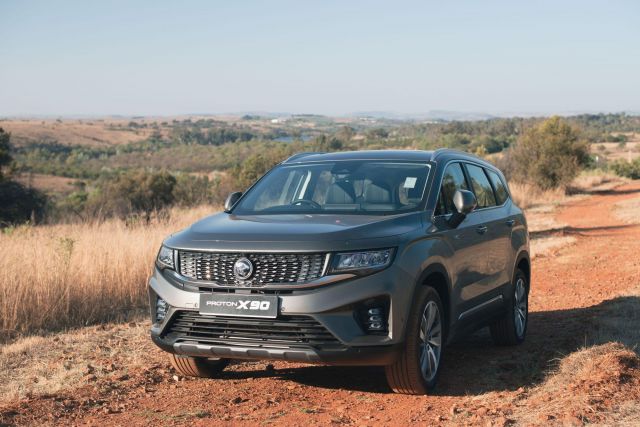
Proton’s range currently consists of SUVs and crossovers, the X50, X7 and X90, as well as a small sedan, called the Saga with an entry point of around R200 000, making it one of the most affordable vehicles available locally.
The Malaysian brand first entered the South African market in 2004 with models such as the Gen 2 Savvy and the Arena small bakkie. It continued operating for around a decade, with the final new models sold in 2015. It made a return to South Africa about two years ago, this time as part of the mighty Chinese Geely Automotive Group, which holds a large stake in Proton.
Audi South Africa honoured the outstanding achievements of its national dealer network at the annual Audi Vorsprung Awards.
South Africa is experiencing its fastest shift yet towards electric mobility, driven not by environmental policy but by sheer economics.
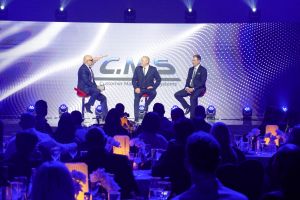
CMS Systems is celebrating 25 years in business, marking a significant milestone for a company that has become a central player in automotive retail technology.
 Advertisement
 Advertisement
Have you ever noticed that anybody driving slower than you is an idiot, and anyone going faster than you is a maniac?
George Carlin
CMS Systems is celebrating 25 years in business, marking a significant milestone for a company that has become a central player in automotive retail technology.
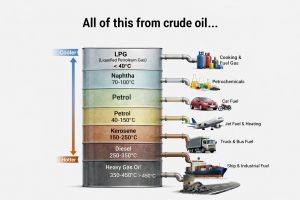
Oil prices jumped on Wednesday after Iran's seizure of container ships in the strait.
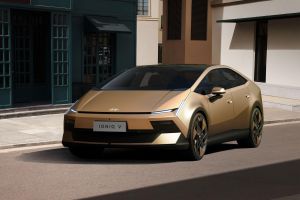
Hyundai Motor is preparing an aggressive comeback in China, unveiling plans to launch 20 new vehicles over the next five years as it tries to rebuild its position in the world’s largest car market.