

Hatfield Motor Group takes top honours at Audi Dealer Awards
Audi South Africa honoured the outstanding achievements of its national dealer network at the annual Audi Vorsprung Awards.
- Dealer News
- 28 April 2026
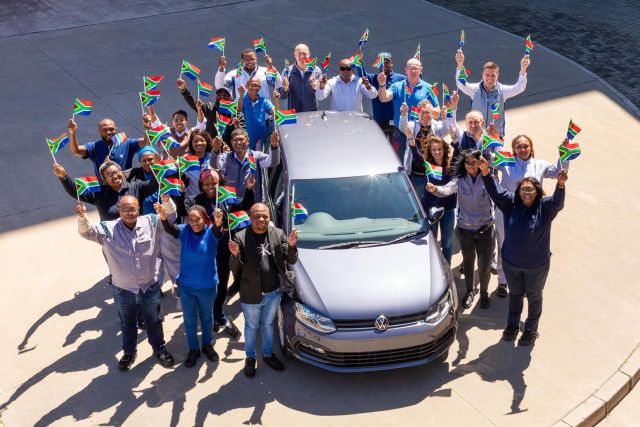
The employees of Volkswagen Group Africa (VWGA) recently celebrated a significant milestone, as a smoky grey Polo Vivo became the 3-millionth car built for the South African market at Plant Kariega.
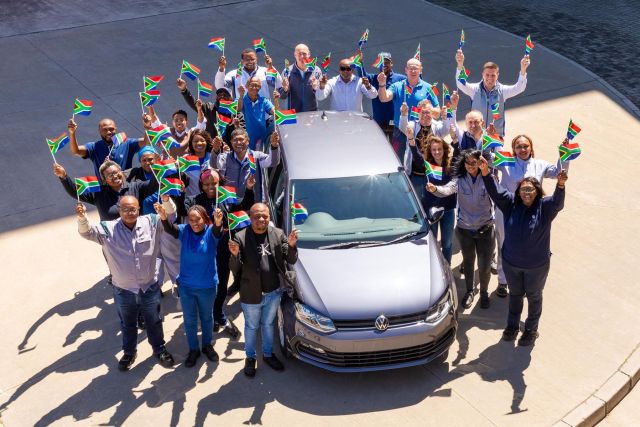
Though VWGA marks its birthday as 31 August 1951, the date on which the first Volkswagen (a Beetle) rolled off the production line, Plant Kariega has actually been manufacturing vehicles since November 1948. Under the umbrella of SAMAD (South African Motor Assemblers and Distributors), selected Studebaker and Austin models were built here before the first Volkswagens were added to the production line-up.
The three million vehicles built to date also include:
The milestone underlines the contribution of the Volkswagen plant to the local automotive market and economy. The plant currently builds the Polo, which is sold locally and was also the car most exported from South Africa in 2024, while the proudly South African Vivo has been the best-selling passenger car in the country since 2010. Both models were also honoured at the Naamsa Accelerator Awards held last weekend.
“This milestone affirms Volkswagen’s legacy in Kariega and the South African market at large,” says Ulrich Schwabe, Production Director at VWGA. “This plant has produced many icons over the past seven decades, including the Beetle, the Citi Golf and now the Vivo, and we intend to make our Tengo the next icon when we start manufacturing it in Kariega from 2027,” he says.
Audi South Africa honoured the outstanding achievements of its national dealer network at the annual Audi Vorsprung Awards.
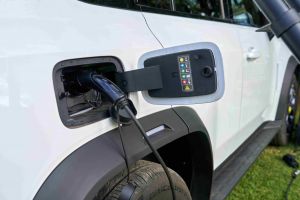
South Africa is experiencing its fastest shift yet towards electric mobility, driven not by environmental policy but by sheer economics.
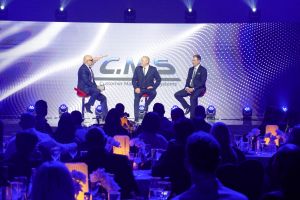
CMS Systems is celebrating 25 years in business, marking a significant milestone for a company that has become a central player in automotive retail technology.
 Advertisement
 Advertisement
Have you ever noticed that anybody driving slower than you is an idiot, and anyone going faster than you is a maniac?
George Carlin
CMS Systems is celebrating 25 years in business, marking a significant milestone for a company that has become a central player in automotive retail technology.
Oil prices jumped on Wednesday after Iran's seizure of container ships in the strait.
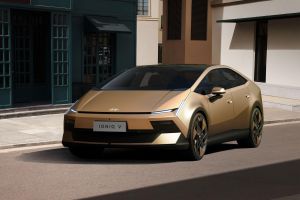
Hyundai Motor is preparing an aggressive comeback in China, unveiling plans to launch 20 new vehicles over the next five years as it tries to rebuild its position in the world’s largest car market.