
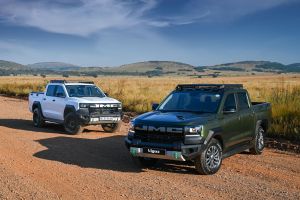
New JMC Vigus will make an impression
Following the official brand re-launch by the Salvador Caetano Group, JMC South Africa announce the arrival of the All-New JMC Vigus.
- Product News
- 17 April 2026
The Retail Motor Industry Organisation (RMI) has announced the completion of the wage negotiations for 2025.
As the sector's largest employer body, representing over 20 000 employers and 300 000 workers across various sub-sectors, the RMI successfully negotiated a comprehensive three-year settlement through the Motor Industry Bargaining Council (MIBCO).
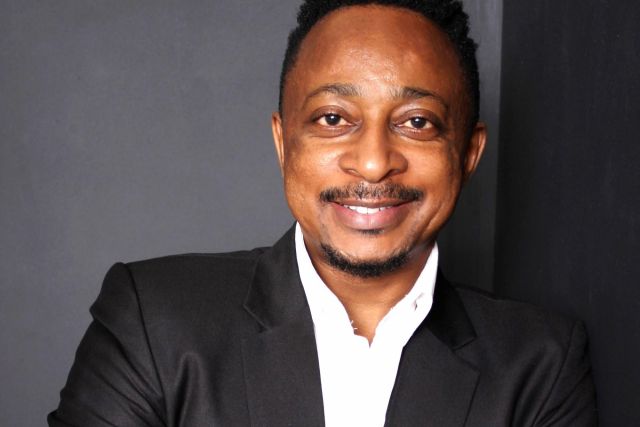
Labour Director, Jeffrey Molefe (photo), confirmed that formal wage discussions began on 10 April 2025, culminating in what industry observers are calling the most successful collective bargaining process since South Africa's democratic transition. Remarkably, the negotiations concluded without any trade union declaring a dispute, demonstrating unprecedented cooperation between employers and organised labour.
The agreement was formally signed on Saturday, 23 August 2025, with key trade union partners MISA (Motor Industry Staff Association) and NUMSA (National Union of Metalworkers of South Africa).
The settlement establishes differentiated wage increases tailored to various industry segments:
The Component Manufacturing Sector receives the highest increases, with 6% in the first year, followed by 5% in years two and three, applied to actual wages.
General Industry Workers (excluding fuel dealers) will see consistent 5% annual increases applied to minimum wages across all three years.
Skills Development Focus continues with apprentices and learners receiving 3% annual increases on minimum wages, supporting the industry's commitment to training and development.
The Fuel Retail Sector benefits from a unique structure that includes medical insurance allowances:
The agreement now moves through formal adoption procedures. A Special MIBCO Council Meeting scheduled for September 2025 will officially adopt the settlement, after which it will proceed to the Minister of Employment and Labour for publication in the Government Gazette. Once published, the wage increases become legally binding on all employers and employees within MIBCO's registered scope, with the Minister determining the final implementation date.
Jeffrey emphasised the agreement's balanced approach, stating it reflected member mandates while considering business sustainability across the diverse motor industry landscape. The three-year framework provides much-needed certainty and stability for an industry that employs hundreds of thousands of South Africans across the manufacturing, retail and service sectors.
This historic agreement demonstrates the potential for constructive labour relations in South Africa, setting a positive precedent for future industry negotiations while ensuring fair compensation for workers and sustainable business operations.
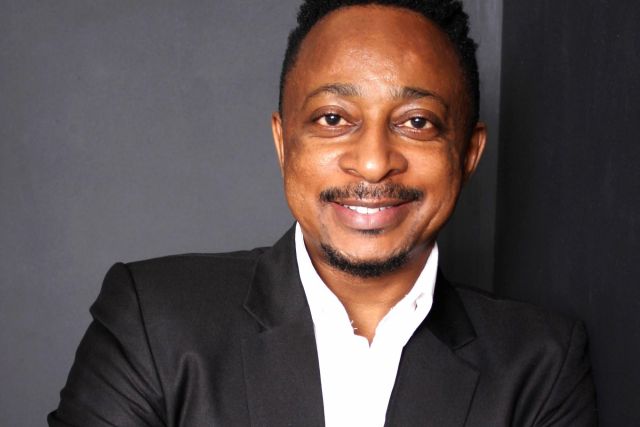
Following the official brand re-launch by the Salvador Caetano Group, JMC South Africa announce the arrival of the All-New JMC Vigus.
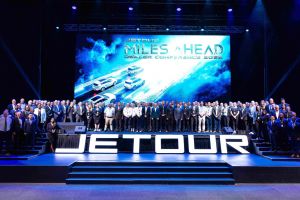
Jetour South Africa hosted its inaugural Dealer of the Year Awards on Tuesday night, bringing together its national dealer network of nearly 60 dealerships.
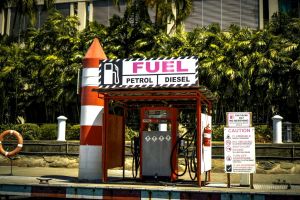
South Africa’s motorists and automotive sector are facing a fresh layer of uncertainty as the Middle East conflict continues to disrupt global oil markets, but for now the country’s fuel supply remains stable even as costs rise.
 Advertisement
 Advertisement
Have you ever noticed that anybody driving slower than you is an idiot, and anyone going faster than you is a maniac?
George Carlin
South Africa’s motorists and automotive sector are facing a fresh layer of uncertainty as the Middle East conflict continues to disrupt global oil markets, but for now the country’s fuel supply remains stable even as costs rise.

Stellantis has struck a five year strategic partnership with Microsoft as it accelerates its shift towards software defined vehicles and digital services.
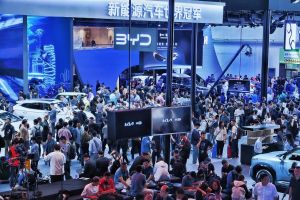
Auto China 2026 marks another milestone in the evolution of an event that has tracked China’s rise from emerging market to global automotive powerhouse.