
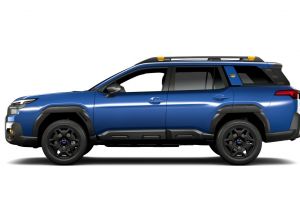
Subaru’s all-new Outback is getting ready for its local launch
Subaru’s all-new seventh-generation Outback has already begun building strong international momentum ahead of its arrival in the local market later this year.
- Product News
- 22 April 2026
Morocco is gearing up to enhance its maritime infrastructure with two new deepwater ports, a move that could transform the country into a regional industrial powerhouse.
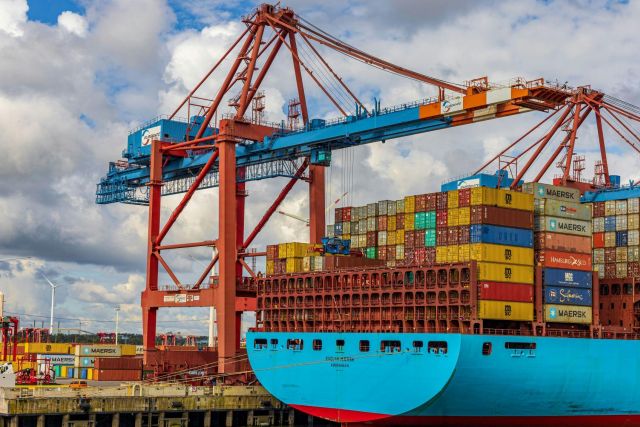
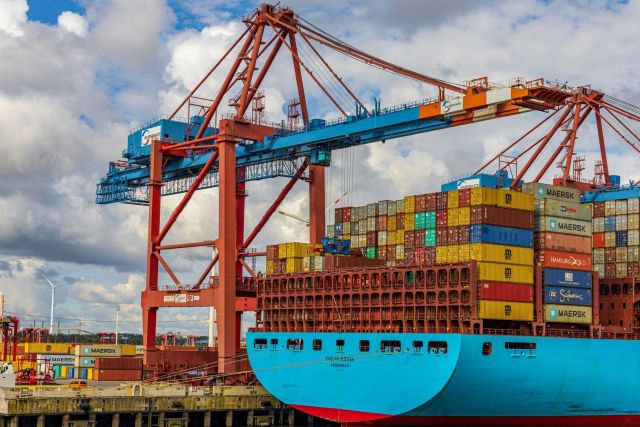
According to Equipment and Water Minister, Nizar Baraka, Nador West Med on the Mediterranean coast will open in late 2026, followed by a $1 billion Atlantic port in Dakhla, scheduled for 2028.
Nador West Med is expected to start with 800 hectares dedicated to industrial development, with plans to expand to 5 000 hectares, potentially surpassing Tanger Med, Africa’s largest port, in industrial capacity.
The Mediterranean port will also feature Morocco’s first liquefied natural gas (LNG) terminal, with a floating storage and regasification unit linked to pipelines supplying northwest industrial hubs. The initiative aligns with Morocco’s strategy to boost natural gas and renewable energy investments, reducing dependence on coal.
On the Atlantic coast, the Dakhla port project will include 1 600 hectares for industrial activity and 5 200 hectares of farmland irrigated by desalinated water. At 23 meters deep, it will be Morocco’s deepest port, designed to handle heavy industries and the processing of raw materials imported from Sahel nations. Dakhla is also intended to serve as a logistics gateway for landlocked countries in West Africa, enhancing regional trade connectivity.
Both Nador and Dakhla will feature dedicated quays for future green hydrogen exports, underscoring Morocco’s commitment to clean energy. With these additions, Morocco will operate four deepwater ports, including Tanger Med and Jorf Lasfar, which handle bulk cargo, phosphate and energy exports.
The country’s industrial zones, particularly around Tanger Med, already host 1 400 companies employing 130 000 workers across sectors like automotive, aeronautics, textiles, agri-food and renewable energy.
The new ports are expected to further boost Morocco’s automotive industry by improving supply chain efficiency, supporting the import of raw materials and facilitating vehicle exports. This enhanced logistics network could help Morocco strengthen its role as a hub for automotive manufacturing in Africa.
Nizar also confirmed that Morocco was exploring the development of an additional Atlantic port in Tan-Tan, in collaboration with green hydrogen investors. Studies are ongoing to determine the optimal size and design, which could further expand the country’s industrial and energy export capacity.
Subaru’s all-new seventh-generation Outback has already begun building strong international momentum ahead of its arrival in the local market later this year.
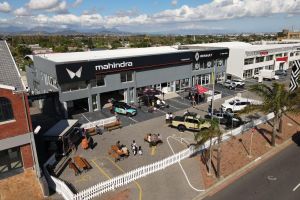
Motus Retail has officially opened its first dedicated Mahindra dealership in the Western Cape, located in Tygervalley. Martin Smit will lead the team as Dealer Principal.
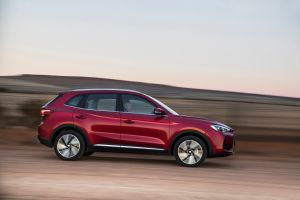
MG Motor South Africa has added two new models to its local range with the introduction of the MG3 hatchback and MG ZS Pro compact SUV or crossover.
 Advertisement
 Advertisement
You can't buy happiness but you can buy cars and that's kind of the same thing.
Unknown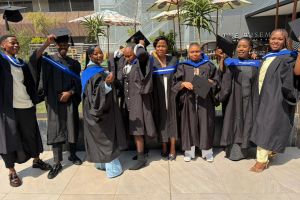
We Buy Cars has continued its involvement in youth skills development, with a recent group of learners completing sponsored programmes in partnership with SA Business School.

One of South Africa’s most popular motorsport events is just days away, with the Simola Hillclimb once again set to draw fans, competitors and manufacturers to the Garden Route.

Durban played host to a gathering that placed KwaZulu-Natal (KZN) firmly in the spotlight of South Africa’s automotive story.