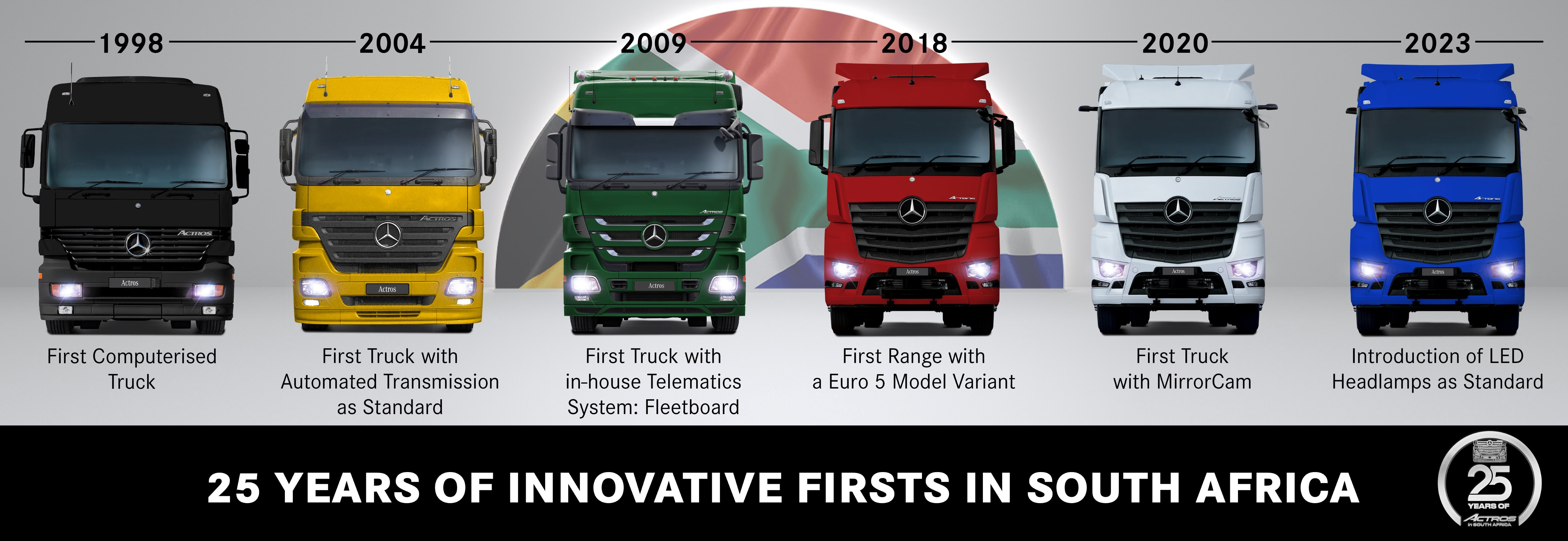
Exactly 25 years ago, Mercedes-Benz Trucks, paved the way in the evolution of trucking in South Africa when it launched its first generation Actros – an industry-first computerised truck specifically for long-distance and distribution haulage.
Share with friends
Since then, four more Actros generations have been produced from the Daimler Truck Southern Africa (DTSA) assembly plant in East London.
Each generation of the Actros has won the title of “International Truck of the Year”. The accolade is bestowed by top commercial vehicle journalists from across the globe to the truck that makes the biggest contribution towards road transport innovation, which is advantageous to the efficiency, emissions, safety, drivability and comfort of vehicles.
Commenting on the 25th anniversary, Maretha Gerber, Vice President: Sales & Marketing Daimler Truck Southern Africa: “We are gratified by the huge strides we have made as a trusted truck brand in the last quarter of a century.
“Not only does this milestone attest to our relentless efforts to produce the best-in-class trucks, but it is also a testament to our ongoing commitment to the region. Thank you to our customers, dealer partners and employees for withstanding the test of time.”
The first generation Actros (1998 – 2004) officially set foot in South Africa in 1998 as the first-ever computerised truck with innovative features such as the Electronically Controlled Air Brake System with Disc Brakes on both front and rear axles as well as the introduction of the Controller Area Network (CAN) Technology for the chassis and drivetrain.
The second generation Actros (2004 – 2009) made its debut in South Africa offering the first automated transmission as a standard option to customers. This generation came loaded with features such as Adaptive Cruise Control, Lane Keeping Assist and a new stowage concept.
The third generation (2009 – 2018) took centre stage in South Africa as the first truck to introduce Fleetboard to customers, an in-house premium telematics system. The main benefits of the Fleetboard system are optimised fuel consumption, reduced wear and tear, and improved safety.
The fourth generation Actros (2018 – 2020) was a completely new truck from its predecessor setting new standards for Road Efficiency, because efficiency is the sum of the details: Low Total Costs, Greater Safety and Maximised Use. The fourth generation Actros came and took efficiency to a new level with the introduction of a Euro V emission engine variant. Globally, the fourth generation Actros was launched in 2012.
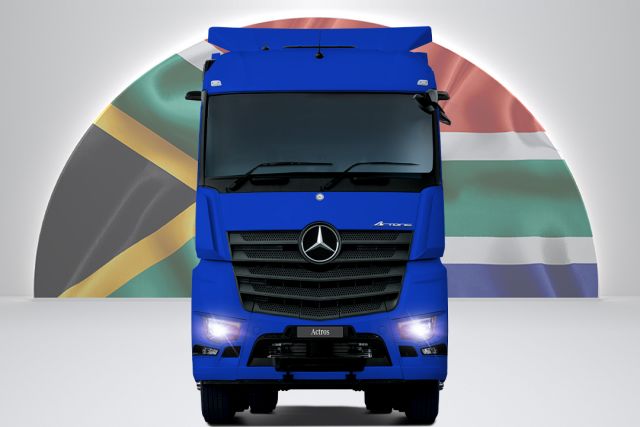
Mercedes-Benz trucks introduced its fifth generation Actros under the claim “Everyone talks, one delivers. The new Actros”. This is the first truck that took technology to the next level with the replacement of conventional main and wide-angled mirrors with MirrorCam, a camera system that plays a major role in safety and manoeuvrability.
Charging time remains a worry for many South Africans considering an electric vehicle, who still see it as a disruption rather than a quick stop at a filling station. That view is starting to shift.
The winners of the 2026 Automotive Business Council | naamsa Accelerator Awards were announced at the recently held Auto Week 2026, which took place in eThekwini, KZN.
When Cobus Coetzee (photo) accepted the opportunity to join the Morgan Group in Upington, he had to weigh up more than a new position. The move meant exchanging the West Coast’s cooler climate and seaside lifestyle for the Northern Cape’s desert heat, while taking responsibility for a multi-franchise operation spread across several premises.
The winners of the 2026 Automotive Business Council | naamsa Accelerator Awards were announced at the recently held Auto Week 2026, which took place in eThekwini, KZN.
With the steep rise in fuel prices since March this year leading to historic record highs following massive increases in October, the government intervention annouched this week, is widely welcomed.
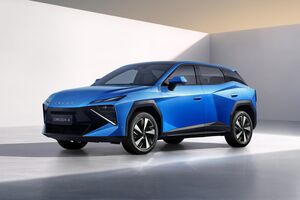
Omoda has confirmed that the new C4 will become the first model from the Chery Group to be built in South Africa, with production set to take place at the company's Rosslyn manufacturing facility in Gauteng.