

TVS powers South Africa’s growing delivery economy
South Africa’s rapidly expanding delivery sector is driving strong demand for affordable, dependable motorcycles that can withstand the demands of daily commercial use.
- Product News
- 20 November 2026
South Africa is scrambling to protect its economy after USA’s President Donald Trump signed sweeping tariff measures targeting the country's key exports, potentially putting 100 000 jobs at risk, reported Reuters on 1 August.

The executive order signed Thursday (31 July) imposes import duties on dozens of nations including South Africa, with implementation set for next week. This escalation is part of Trump's broader push to reshape global trade dynamics in America's favour.
President Cyril Ramaphosa maintained a measured response Friday, emphasising South Africa's commitment to diplomatic solutions. "All channels of communication remain open to engage with the USA, and our negotiators are ready pending invitation from the USA," he said.
The government is rushing to finalise emergency support for affected exporters, with the President promising details would be announced soon.
The timing couldn't be worse. The USA is South Africa's second-largest trading partner after China, importing everything from Mercedes-Benz vehicles and steel to wine and citrus fruits.
The automotive sector faces particular vulnerability. Industry representatives are calling it a "socio-economic crisis in the making," with the Reserve Bank warning of massive job losses in agriculture and manufacturing.
"If one considers that access to the USA was through AGOA, which was tariff-free, increasing tariffs to 30% effectively nullifies that market," explained SEIFSA CEO Tafadzwa Chibanguza, referencing the African Growth and Opportunity Act. The Steel and Engineering Industries Federation of Southern Africa notes that $1.8 billion in exports now hangs in the balance.
Opposition parties have criticised the government's response, with the Democratic Alliance dismissing the proposed support measures as inadequate for addressing the scale of the crisis.

South Africa’s rapidly expanding delivery sector is driving strong demand for affordable, dependable motorcycles that can withstand the demands of daily commercial use.
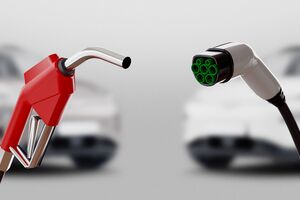
One of the main results of the 2026 Global EV Driver Survey, released by the Global EV Alliance (GEVA) this week, show that South African battery electric vehicle (EV) drivers are among the most satisfied in the world.
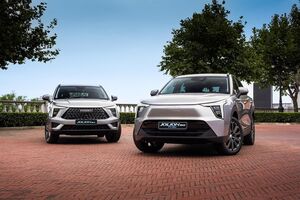
GWM South Africa has broadened its popular Jolion range with the introduction of the all-new Haval Jolion Max. Designed with modern families in mind, the newcomer combines increased interior space, new technology and a wider choice of powertrains, including petrol, hybrid and plug-in hybrid options.
 Advertisement
 Advertisement
I have bad reflexes. I was once run over by a car being pushed by two guys
Woody Allen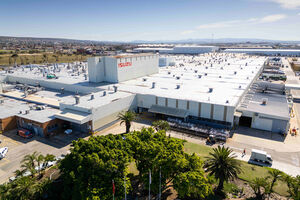
Isuzu Motors South Africa (IMSAf) has achieved a 38% reduction in Scope 1 and Scope 2 CO₂ emissions compared with its 2013 baseline while increasing vehicle production by 21% during the 2025/26 financial year at its Gqeberha manufacturing facility.

Diversifying oil supplies, investing in pipelines and rail infrastructure, improving port operations and expanding inland storage facilities are among the measures needed to reduce South Africa's vulnerability to international fuel supply disruptions.
Combined Motor Holdings (CMH) has appointed Charles Webber as the new Group CEO.