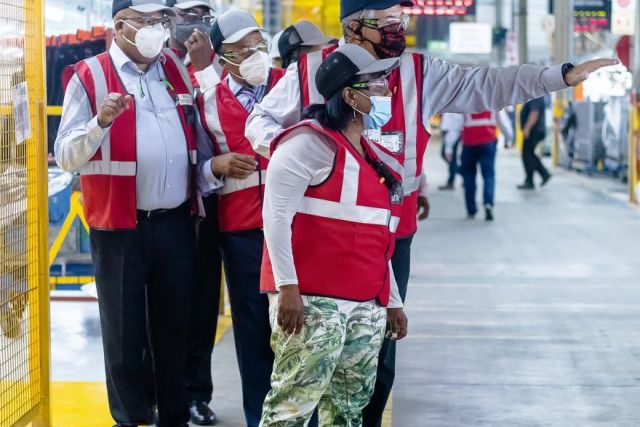
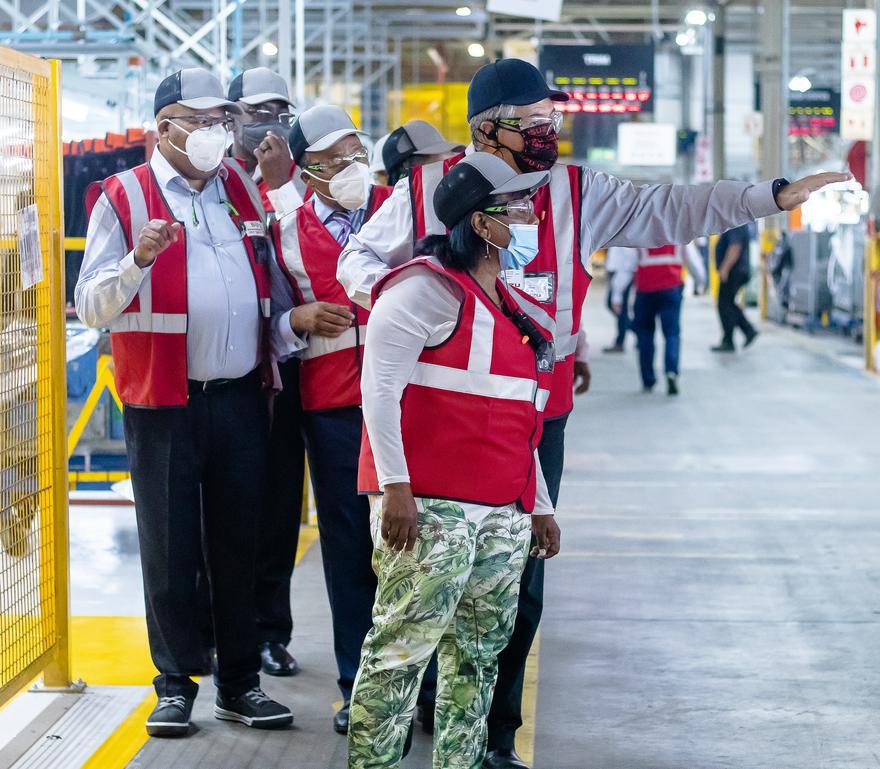
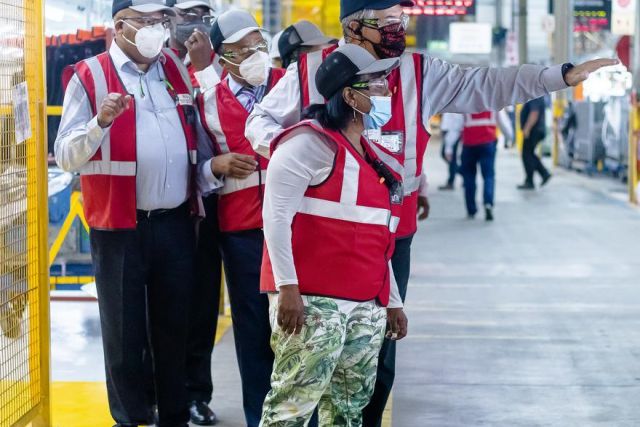
The Executive Mayor of Nelson Mandela Bay, Eugene Johnson, visited Isuzu Motors South Africa’s Manufacturing plant to preview the R1.2 billion investment which will see the new generation Isuzu D-MAX, and truck upgrades, later this year.
Share with friends
New production lines have been constructed over the past two years to ready the production facilities for the construction of the brand-new Isuzu light commercial and heavy commercial vehicles.
The investment also involves significant upgrades to tooling and equipment, as well as refurbishing the current line to support an extension in the manufacturing of current Isuzu models. In addition to the upskilling and training of staff, Isuzu has also embarked on rigorous testing of vehicles to ensure Isuzu’s promise of producing durable, dependable, and capable vehicles re-engineered for African driving conditions.
Billy Tom, President and CEO of Isuzu Motors South Africa, updated the mayoral delegation on the progress made on the investment, including upgrades to the manufacturing plant to meet the new vehicle requirements and the state of readiness to launch exciting new Isuzu products into the market.
The President and CEO Isuzu Motors South Africa; Billy Tom, Mayoral Committee Member; Kusta Jack, Department Executive Manufacturing, Johan Vermeulen Jack and the Executive Mayor of Nelson Mandela Bay Eugene Johnson at the plant.
“The R1.2-billion investment into Isuzu’s next-generation bakkie programme in South Africa, for the South African and Rest of Africa markets, is one of the reasons the manufacturer has been able to secure about 1 000 jobs directly at Isuzu’s operations in Gqeberha, and across its national and international dealer network, as well as around 25 000 jobs at hundreds of suppliers across the country,” Billy says.
Executive Mayor Eugene Johnson says as a key revenue generator, the automotive sector is one of the most important industries for the metro. “We need this industry, with a strong revenue from companies like Isuzu it means we can secure jobs and our citizens’ livelihoods.”
South Africa is the 18th largest manufacturer of vehicles in the world and the automotive industry is the third largest sector in South Africa, contributing 5.7% of the national GDP. The country produces 80% of Africa's vehicle output.
Towards the end of last year Isuzu launched the new seven-seater mu-X SUV. The new Isuzu D-MAX bakkie will be launched in the first quarter of this year, with the launch of Isuzu’s next-generation trucks following shortly thereafter – all locally manufactured in Gqeberha.
Charging time remains a worry for many South Africans considering an electric vehicle, who still see it as a disruption rather than a quick stop at a filling station. That view is starting to shift.
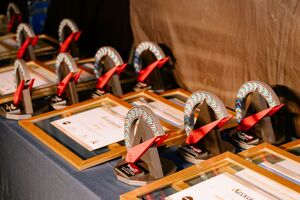
The winners of the 2026 Automotive Business Council | naamsa Accelerator Awards were announced at the recently held Auto Week 2026, which took place in eThekwini, KZN.
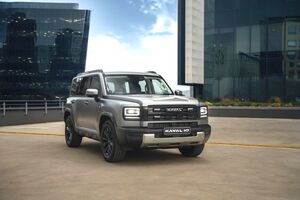
GWM has expanded its local SUV line-up with the introduction of the all-new Haval H7. Replacing the outgoing model, the newcomer blends boxy styling, advanced technology and a choice of petrol, hybrid and plug-in hybrid powertrains, giving buyers a versatile family SUV with genuine all-terrain credentials.
Cars are the ultimate symbol of freedom, independence and individualism. They offer the freedom to ‘go anywhere,’ whenever it suits and with whom one chooses.
The winners of the 2026 Automotive Business Council | naamsa Accelerator Awards were announced at the recently held Auto Week 2026, which took place in eThekwini, KZN.
With the steep rise in fuel prices since March this year leading to historic record highs following massive increases in October, the government intervention annouched this week, is widely welcomed.
Most motorists will go their entire driving lives without deliberately pushing their vehicle to the limits of adhesion. Yet a sudden downpour, a patch of gravel, standing water or simply carrying too much speed into a bend can quickly expose the limits of a vehicle's grip.