The South African Reserve Bank’s decision to lower interest rates by 25 basis points – bringing rates to their lowest level in more than two years – has been cautiously welcomed by the retail motor sector.
Share with friends
“This rate cut is a positive move at a time when South African consumers are under immense financial pressure,” says Brandon Cohen, Chairperson of the National Automobile Dealers' Association (NADA).
“While it’s not a dramatic kick-start to the economy, it does serve as a much-needed nudge in the right direction.”
NADA believes the reduction in interest rates, although modest, could offer some short-term relief for stretched households – particularly with the fuel levy and other cost increases looming in June.
“Even small savings on monthly bond repayments, credit cards and vehicle finance do add up,” Cohen notes. “They can make a meaningful difference for consumers who are having to make every rand count.”
Brandon Cohen.
The automotive industry, which has experienced subdued demand amid a flat economy, may also benefit from the easing of monetary policy.
“Historically, it takes several months before we see the effects of a rate movement reflected in vehicle sales,” Brandon explains. “A rate cut helps to build consumer confidence and creates slightly more room for discretionary spending.”
However, he cautions that interest-rate relief alone won’t be enough to drive a strong recovery.
“Sustained economic strain and high unemployment remain significant barriers to growth in the automotive sector,” he says. “Had the rates held steady, the pressure on already cautious consumers would have been reinforced.”
“Any positive shift is welcome – but the road to recovery will require more than just lower interest rates.”
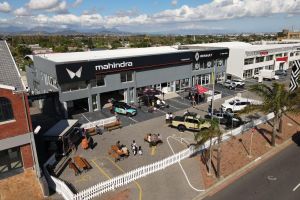
Motus Retail has officially opened its first dedicated Mahindra dealership in the Western Cape, located in Tygervalley. Martin Smit will lead the team as Dealer Principal.
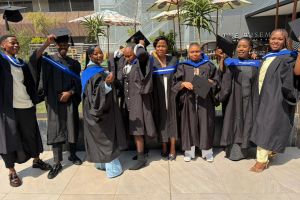
We Buy Cars has continued its involvement in youth skills development, with a recent group of learners completing sponsored programmes in partnership with SA Business School.
We Buy Cars has continued its involvement in youth skills development, with a recent group of learners completing sponsored programmes in partnership with SA Business School.
One of South Africa’s most popular motorsport events is just days away, with the Simola Hillclimb once again set to draw fans, competitors and manufacturers to the Garden Route.