JLR takes legal action against BYD over Defender technology allegations
Jaguar Land Rover (JLR) has initiated legal proceedings against Chinese automotive manufacturer BYD in the Netherlands, alleging that its BYD Ti7 SUV may infringe intellectual property rights associated with the Land Rover Defender.
Share with friends
The dispute highlights growing tensions between established European manufacturers and China's expanding automotive industry, particularly around intellectual property, vehicle development and the protection of engineering technology.
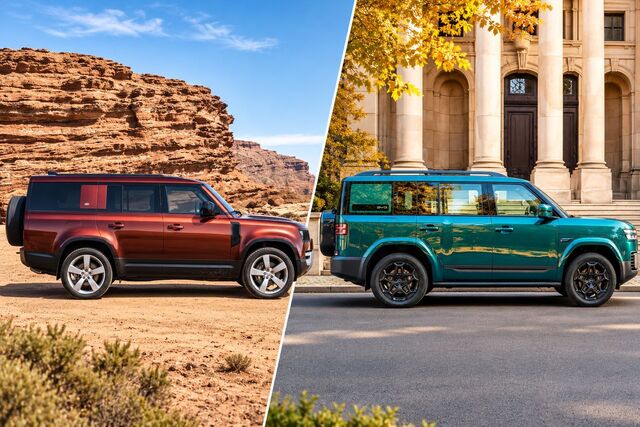
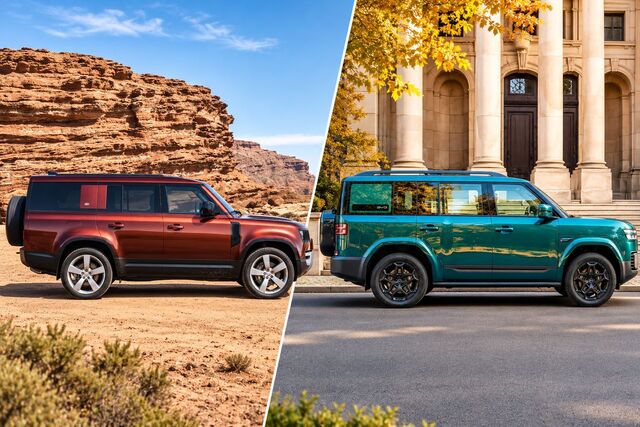
At the centre of the dispute is the BYD Ti7, a seven-seat plug-in hybrid SUV sold in China under the company's Fangchengbao brand. Its angular styling has drawn comparisons with the Land Rover Defender, but JLR's concerns reportedly extend beyond exterior design to the possible use of proprietary technology.
According to court documents made available through the Netherlands Case document archive, JLR suspects that BYD may have dismantled a Defender and reverse-engineered certain technologies for use in developing the Ti7.
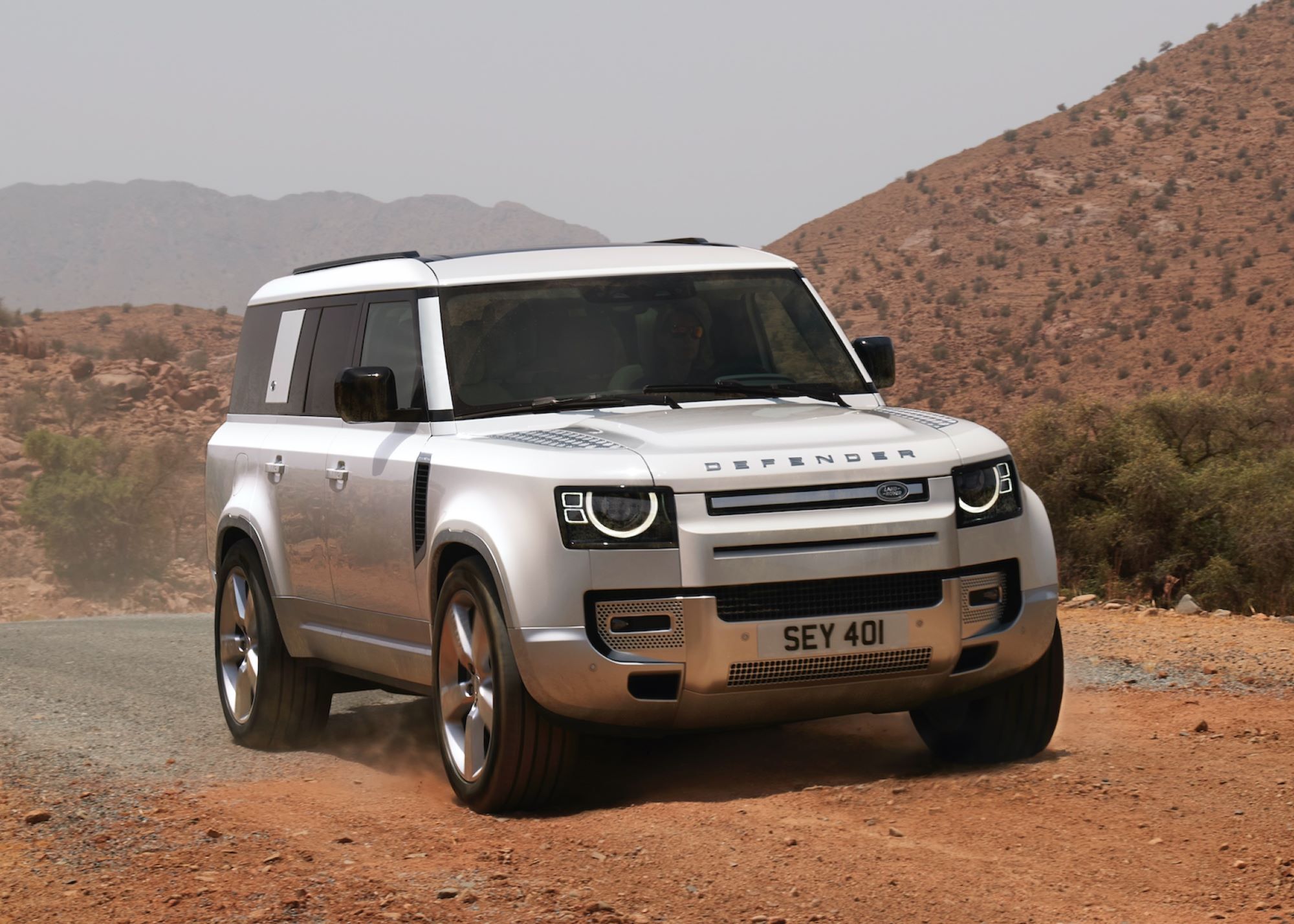
Land Rover Defender 130.
In August 2026, court-appointed bailiffs acting on behalf of JLR searched two BYD offices in the Netherlands, in Schiedam and Hoofddorp. Digital records were seized as potential evidence in the legal dispute.
The proceedings have also involved disagreements over the extent of the material collected. BYD's legal representatives challenged the seizure, arguing that an excessive amount of information had been taken.
A preliminary hearing is scheduled for 11 November 2026 in The Hague. The Dutch judiciary's official case database, Rechtspraak, provides a further channel for checking published judgments and developments in the proceedings.
Neither manufacturer has provided a detailed public explanation of its position. JLR's official media centre is available for company statements, while BYD's corporate website provides its own official communications. Neither company has publicly established the merits of the allegations through a detailed account of the case.
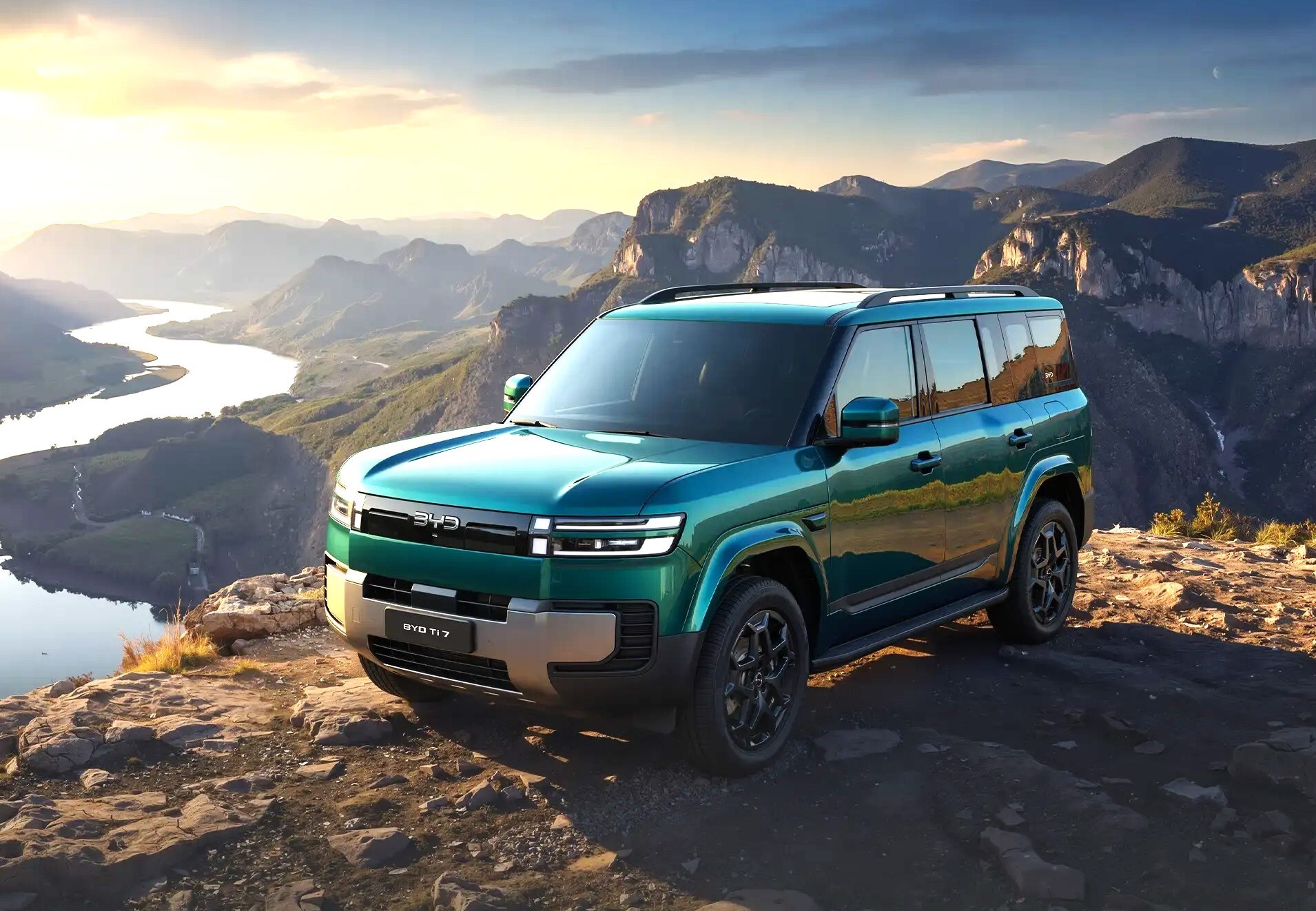
BYD Ti7 Fangchengbao.
A familiar legal battleground
This is not the first time JLR has taken legal action over similarities between one of its vehicles and a model produced by a Chinese manufacturer.
In 2019, JLR secured a legal victory in China against Jiangling Motor Corporation over the Landwind X7, which it argued copied design elements of the Range Rover Evoque. The ruling resulted in production being stopped and compensation being awarded to JLR.
The current dispute is potentially broader, as the allegations involve not only vehicle styling but also the possible use of engineering technology and intellectual property.
Wider industry implications
The case comes as Chinese manufacturers expand their international presence and increasingly compete directly with established premium automotive brands.
The BYD Ti7 is also preparing for international expansion, with a UK launch planned for January 2027 at a reported starting price of around R1 million (£47 995). This compares with a UK starting price of approximately R1.5 million (£68 465) for the Land Rover Defender 110.
The proceedings could have implications for the wider automotive industry, particularly regarding the protection of engineering knowledge as manufacturers compete in an increasingly global market.
For now, JLR's allegations remain subject to the legal process. The outcome will determine whether the company can substantiate its claims against BYD.
Some previous automotive intellectual property disputes, although these are precedents involving different legal claims, not all direct equivalents of the technology reverse-engineering allegations against BYD, are:
1. Jaguar Land Rover vs Jiangling Motor – 2016 to 2019:
Vehicle: Range Rover Evoque vs Landwind X7.
Outcome: Victory for JLR.
JLR sued Jiangling Motor over its Landwind X7, which closely resembled the Range Rover Evoque. In March 2019, a Beijing court found that five major design features had been copied and ordered Jiangling to stop manufacturing, selling and marketing the vehicle. Compensation was also awarded to JLR.
2. Fiat vs Great Wall Motor – 2007 to 2011:
Vehicle: Fiat Panda vs Great Wall Peri.
Outcome: Different results in China and Europe.
Fiat accused Great Wall of copying the design of its Panda for the Peri small car. An Italian court prohibited the Peri from entering the European market and upheld financial penalties. However, Chinese courts rejected Fiat's patent infringement claim. Great Wall eventually stopped Peri production in September 2010 and did not pursue its European appeal.
3. BMW vs Shuanghuan – 2007 to 2008:
Vehicle: BMW X5 vs Shuanghuan CEO.
Outcome: BMW won in Germany but lost in Italy.
BMW accused Chinese manufacturer Shuanghuan of copying the design of its first-generation X5. In June 2008, a Munich court prohibited the German importer from selling the Shuanghuan CEO, ordered remaining vehicles to be destroyed and awarded damages to BMW. However, an Italian court rejected BMW's similar claim later that year.
4. Honda vs Shuanghuan – 2003 to 2004:
Vehicle: Honda CR-V vs Shuanghuan Laibao SRV
Outcome: Honda's case was unsuccessful.
Honda accused Shuanghuan of copying the design of its CR-V SUV and sought substantial compensation. The case did not produce a successful court judgment for Honda. It became one of the early examples of the difficulties foreign manufacturers faced when challenging Chinese competitors over vehicle designs.
5. Toyota vs Geely – 2003:
Dispute: Toyota trademark and unfair competition claim against Geely.
Outcome: Geely won.
Toyota took legal action against Geely over alleged trademark infringement and unfair competition. The Chinese court ruled in Geely's favour.
For 75 years, Nissan Patrol has gone further, tackled challenging terrain and taken generations of customers on adventures around the world. From its beginnings in Japan in 1951 as Nissan's first four-wheel-drive vehicle to today's seventh-generation model currently built in Japan, Patrol has been defined by capability, durability and a daring spirit.
South Africa's used vehicle market gained momentum in October, with sales increasing strongly month-on-month and year-on-year as average prices continued to soften.
Parts supply is the question most often put to newer Chinese brands in South Africa. The number of Chinese brands in the local new vehicle market rose from eight in 2024 to 15 in 2025, according to naamsa’s 2026 Automotive Trade Manual. Motoring commentators have flagged delays in accident repair parts as a common complaint, while pointing to brands with a longer local presence, such as GWM and Chery, as better established.
BAIC Foton has opened a regional training centre in South Africa aimed at helping dealer and service teams return commercial vehicles to service more quickly.