

Hatfield Motor Group takes top honours at Audi Dealer Awards
Audi South Africa honoured the outstanding achievements of its national dealer network at the annual Audi Vorsprung Awards.
- Dealer News
- 28 April 2026
Jaguar Land Rover's month-long cyberattack crisis has forced key European suppliers to halt production, with the ripple effect spreading across the automotive industry's supply chain.

German exhaust manufacturer, Eberspächer, has suspended operations at its Slovakian plant in Nitra following the digital assault on JLR. The firm's 30 employees are now on reduced hours, earning 80% of their usual wages whilst production remains frozen.
"Since the cyberattack, production in our plant is also on hold," confirmed Eberspächer spokesperson, Anja Kaufer. The German company supplies JLR's Nitra facility, which produces 130 000 Discovery and Defender SUVs annually and employs 4 000 people.
JLR has extended its shutdown until 24 September, with industry estimates suggesting the closure is costing millions weekly. The British carmaker warned that some internal data may have been compromised during the breach, though customer information appears secure.
Quality assurance firm, Hollen, has also implemented restrictions owing to the JLR shutdown. Chief Executive, Tomas Osusky, warned of growing anxiety among suppliers: "Several subcontractors have had to significantly scale back production depending on how strongly they are tied to Jaguar."
The cyberattack prompted JLR to disconnect systems across facilities in the UK, China, Slovakia and India, highlighting the interconnected nature of modern automotive manufacturing. The incident demonstrates how a single digital breach can cascade through entire supply networks.
"We are continuously working to restore our global applications in a controlled and secure manner," said JLR's Slovakian spokesperson, Katarina Chlebova.
The automotive sector has become an increasingly attractive target for cybercriminals, who recognise that disrupting one major manufacturer can simultaneously paralyse dozens of suppliers. Just-in-time production methods, designed for efficiency, paradoxically amplify the impact when digital systems fail.
As forensic investigations continue, the JLR crisis serves as a stark warning about the vulnerabilities inherent in today's hyper-connected manufacturing landscape. For suppliers across Europe, the waiting game continues as they hope for swift resolution before lasting damage occurs to longstanding partnerships.
The incident underscores the urgent need for robust cybersecurity measures throughout the automotive supply chain, where digital threats can translate into very real economic consequences for entire industrial ecosystems.

Audi South Africa honoured the outstanding achievements of its national dealer network at the annual Audi Vorsprung Awards.
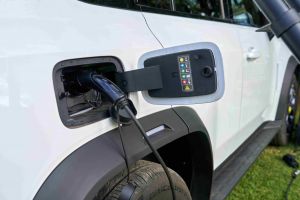
South Africa is experiencing its fastest shift yet towards electric mobility, driven not by environmental policy but by sheer economics.

CMS Systems is celebrating 25 years in business, marking a significant milestone for a company that has become a central player in automotive retail technology.
 Advertisement
 Advertisement
You can't buy happiness but you can buy cars and that's kind of the same thing.
Unknown
CMS Systems is celebrating 25 years in business, marking a significant milestone for a company that has become a central player in automotive retail technology.
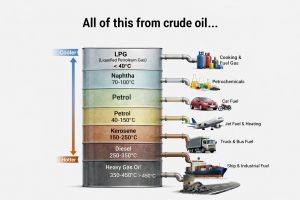
Oil prices jumped on Wednesday after Iran's seizure of container ships in the strait.

Hyundai Motor is preparing an aggressive comeback in China, unveiling plans to launch 20 new vehicles over the next five years as it tries to rebuild its position in the world’s largest car market.