
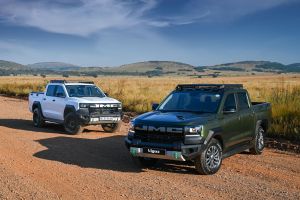
New JMC Vigus will make an impression
Following the official brand re-launch by the Salvador Caetano Group, JMC South Africa announce the arrival of the All-New JMC Vigus.
- Product News
- 17 April 2026
A much lesser-known race in the auto industry, driven by the $1 trillion Infrastructure Investment and the Jobs Act of 2021, is currently underway in the US, and the Japanese chemical and electronics company Asahi Kasei might have a substantial lead start.

Although the act is known for having led to the funding of a wave of electric-vehicle charging stations, it also called for a final rule to be issued in 2024, requiring all vehicles sold in the US to have the ability to passively detect when drivers are under the influence of alcohol and to prevent them from driving.
All good and well, except that such technology does not yet exist as a commercialised market-friendly original-equipment vehicle component.
While others have been frantically trying to make inroads into such technology, Asahi Kasei has a Swedish subsidiary which has been working on alcohol and gas detection sensors for other applications for 25 years.
The Japanese company is now working with a range of role players, from automobile manufacturers to Tier 1 suppliers, to make the tech commercially feasible.
The company’s North American director of mobility told a US auto industry publication that the legislation took everyone, including his own company, by surprise. He said everyone expected it to happen in Europe first but owing to activist groups in the US such as Mothers Against Drunk Driving, the tech will now more than likely be implemented in the US first.
It is exactly this faulty assumption regarding Europe, that led to Asahi Kasei acquiring the Swedish tech company, Senseair, five years ago.
Senseair is hoping to develop a sensor that can be seamlessly integrated into vehicles without the need for new cabin hardware. Drivers would exhale toward a small sensor that could be embedded in the steering column or side door trim and await a quick pass/fail reading on the alcohol content of their breath.
It will use an algorithm that detects the amount of ethanol on a driver's breath compared with naturally occurring carbon dioxide.

Following the official brand re-launch by the Salvador Caetano Group, JMC South Africa announce the arrival of the All-New JMC Vigus.
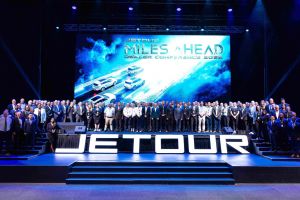
Jetour South Africa hosted its inaugural Dealer of the Year Awards on Tuesday night, bringing together its national dealer network of nearly 60 dealerships.
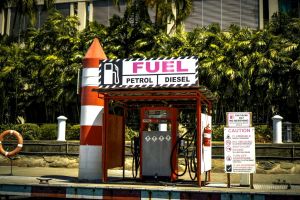
South Africa’s motorists and automotive sector are facing a fresh layer of uncertainty as the Middle East conflict continues to disrupt global oil markets, but for now the country’s fuel supply remains stable even as costs rise.
 Advertisement
 Advertisement
You can't buy happiness but you can buy cars and that's kind of the same thing.
Unknown
South Africa’s motorists and automotive sector are facing a fresh layer of uncertainty as the Middle East conflict continues to disrupt global oil markets, but for now the country’s fuel supply remains stable even as costs rise.

Stellantis has struck a five year strategic partnership with Microsoft as it accelerates its shift towards software defined vehicles and digital services.
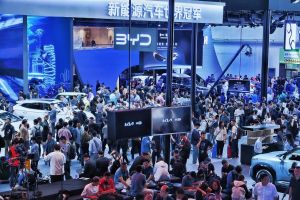
Auto China 2026 marks another milestone in the evolution of an event that has tracked China’s rise from emerging market to global automotive powerhouse.