
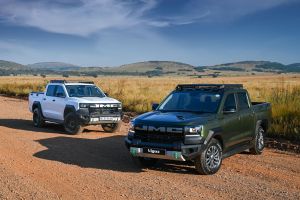
New JMC Vigus will make an impression
Following the official brand re-launch by the Salvador Caetano Group, JMC South Africa announce the arrival of the All-New JMC Vigus.
- Product News
- 17 April 2026
South Africa is facing a growing threat to its automotive industry, economy and public safety – Grey vehicle imports – according to a statement by Vehicles Fact Verifications Systems.

While the allure of these vehicles often comes down to their lower prices, the risks they pose are far-reaching, from economic losses and job destruction to serious safety concerns. With the nation’s automotive sector serving as a major driver of employment and GDP, it’s time for consumers, government officials and industry leaders to confront the dangers associated with Grey vehicle imports and take steps to eradicate them.
What Are Grey Vehicle Imports?
Grey vehicle imports refer to used vehicles that are brought into South Africa through unauthorised channels, bypassing official dealership networks and the government’s regulatory frameworks. These vehicles are sold at a lower price than those imported through official means, making them attractive to cost-conscious buyers.
Economic Losses: The Hidden Bill
One of the most significant impacts of Grey vehicle imports is the massive loss of government revenue. In 2022, it was estimated that South Africa lost around R8 billion in taxes owing to these illegal imports. This loss stems from the evasion of import duties, VAT and other taxes, which are typically bypassed when vehicles are smuggled or imported illegally.
In addition, these vehicles are sold without warranties, and spare parts are not readily available, so while the starting price looks attractive, the end result is that these vehicles are going to leave buyers with no transport and no recourse to the sellers...
Job Destruction in the Automotive Sector
South Africa’s automotive industry plays a pivotal role in the economy, contributing to local job creation, industrial growth and technology transfer. The influx of Grey vehicle imports undermines this industry by reducing the demand for new and used vehicles sold through authorised dealers. As a result, jobs across the sector—including sales, manufacturing and after-sales services—are at risk.
The growth of Grey imports will lead to further job losses across the automotive value chain as fewer vehicles will be sold through official channels. This impact extends beyond dealerships to ancillary services like repairs, parts supply and logistics, exacerbating unemployment in a country already grappling with high unemployment rates.
Public Safety at Risk
Grey vehicle imports bypass local safety and environmental standards, posing serious risks to drivers and other road users. Vehicles imported through unauthorised channels may well lack crucial safety features such as airbags, ABS brakes and proper crash protection, making them a danger on South African roads.
The Way Forward: Reducing Grey Imports
To protect South Africa’s economy, jobs and public safety, it is imperative that the country should take decisive steps to eradicate Grey vehicle imports. This can be achieved through a combination of:
(Main picture for illustration: Unsplash)

Following the official brand re-launch by the Salvador Caetano Group, JMC South Africa announce the arrival of the All-New JMC Vigus.

Jetour South Africa hosted its inaugural Dealer of the Year Awards on Tuesday night, bringing together its national dealer network of nearly 60 dealerships.

South Africa’s motorists and automotive sector are facing a fresh layer of uncertainty as the Middle East conflict continues to disrupt global oil markets, but for now the country’s fuel supply remains stable even as costs rise.
 Advertisement
 Advertisement
I have bad reflexes. I was once run over by a car being pushed by two guys
Woody Allen
South Africa’s motorists and automotive sector are facing a fresh layer of uncertainty as the Middle East conflict continues to disrupt global oil markets, but for now the country’s fuel supply remains stable even as costs rise.

Stellantis has struck a five year strategic partnership with Microsoft as it accelerates its shift towards software defined vehicles and digital services.
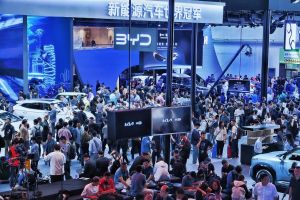
Auto China 2026 marks another milestone in the evolution of an event that has tracked China’s rise from emerging market to global automotive powerhouse.