Government should not protect one industry to the detriment of another - MISA
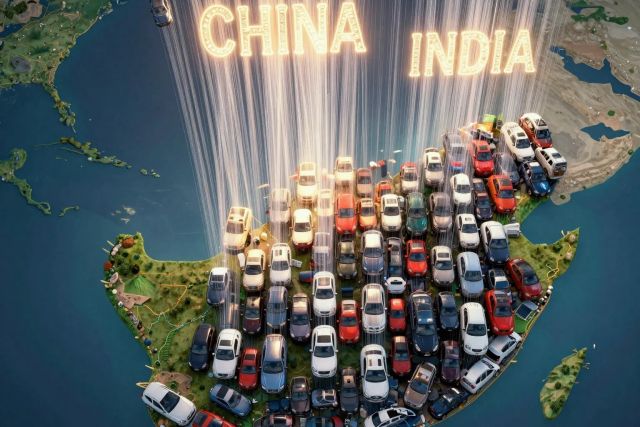
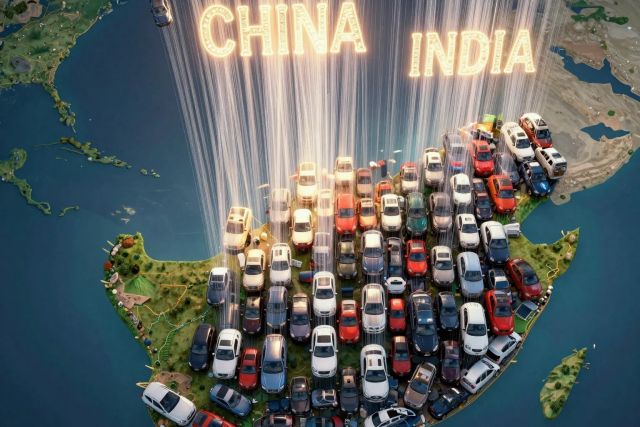
South Africa needs to strike a balance between protecting its automotive manufacturing against the devastating impact from the influx of Chinese and Indian vehicle brands on the one hand, without hampering the positive growth of its retail motor industry on the other.
Share with friends
MISA, the Motor Industry Staff Association, representing more than 75 000 members in the retail motor industry, welcomes the Department of Trade, Industry and Competition's internal review to assess potential measures to protect the automotive industry, but believes this should not be done to the detriment of the retail motor industry.
"It is late in the game for the South African Government to consider imposing tariffs of up to 50% on vehicles from China and India. Government should look at the entire economy and equally support the retail motor industry where these brands have been creating jobs," says Martlé Keyter, MISA's Chief Executive Officer: Operations.
MISA believes that Government should focus on encouraging Chinese and Indian brands to invest in manufacturing vehicles, parts and components locally to create more job opportunities.
Earlier this week MISA welcomed Chery's investment in South Africa with the acquisition of Nissan's production plant in Rosslyn, Pretoria, which will offer employment to most of Nissan's affected employees and supporting supply chain.
MISA has repeatedly urged new Chinese and Indian brands, entering the country in 2025, to invest in establishing bigger dealership networks that will create jobs for employees negatively impacted by the closure of non-performing dealerships of traditional brands.
"The influx of Chinese and Indian brands stimulated the local market and created massive competitiveness. The result, new vehicle sales records for three consecutive months at the end of 2025, not only surpassing pre-pandemic levels for the first time but also reaching highs not seen in a decade," says Martlé.
Around 53% of cars in South Africa are imported from India, whilst Chinese imports make up about 22%. Chinese car brands account for their share whilst cars from India include certain models from Honda, Nissan, Toyota, Suzuki, Citroën and the Indian manufacturers themselves, Mahindra and Tata.
Hyundai Automotive South Africa officially opened Hyundai Midrand, a new dealership aimed at strengthening the brand’s presence in Gauteng and responding to growing customer demand in one of the province’s fastest-growing commercial corridors.
The compact SUV market in South Africa has gained a new contender with the arrival of the GAC Emzoom Nova. It joins the existing Emzoom Executive and Emzoom R‑Style models, broadening the range offered by Salvador Caetano South Africa, the official distributor of GAC Motor.
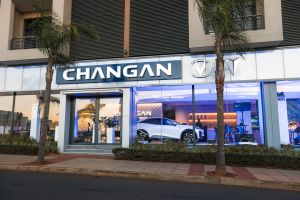
Chinese vehicle brand Changan has strengthened its South African retail presence with the opening of a new flagship dealership in Umhlanga, KwaZulu-Natal, as the company pushes ahead with plans to establish about 45 dealerships nationally during 2026.
A South African dealership has been instructed to remove or amend an advertisement for a new Jetour T2 after the Advertising Regulatory Board (ARB) ruled that the listing created the impression that a specific vehicle was immediately available for purchase when it was not.
If you were hoping to experience the roaring streets of the Isle of Man TT in 2026, you are already too late. This event, with practice sessions starting on 25 May 2026 and racing commencing on the 30th, requires at least six to twelve months of planning, along with a substantial budget.
Pinewood.AI has added two new embedded modules to its Business Intelligence Solution, giving dealers and OEMs greater insight into financial performance and the customer journey, it says.