
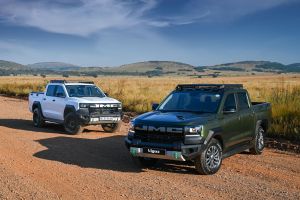
New JMC Vigus will make an impression
Following the official brand re-launch by the Salvador Caetano Group, JMC South Africa announce the arrival of the All-New JMC Vigus.
- Product News
- 17 April 2026
The Automotive Business Council (naamsa) welcomes the 2026 State of the Nation Address (SONA) and government’s continued recognition of the automotive industry as a strategic pillar of South Africa’s manufacturing economy.
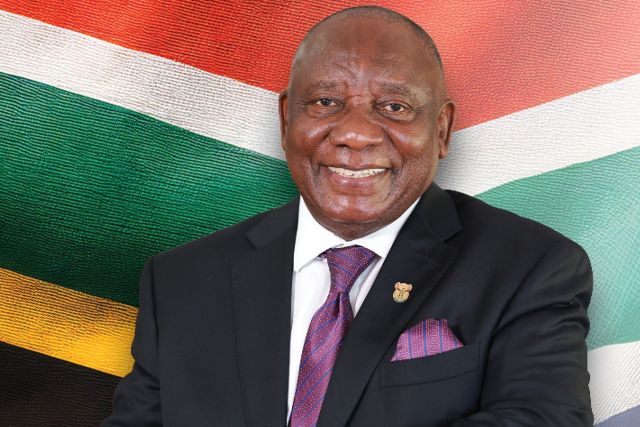
President Cyril Ramaphosa’s explicit focus on protecting jobs, strengthening industrial policy, advancing tariff reform and accelerating the green economy transition affirms the central role of the automotive sector in driving GDP growth, exports, industrial capability and employment.
Protection of manufacturing and tariff integrity:
Naamsa notes government’s commitment to closing loopholes in the tariff structure and introducing additional measures to protect and grow South Africa’s manufacturing base.
In a global trade environment characterised by excess capacity, intensifying import competition and heightened protectionism, naamsa emphasises that trade policy calibration must be precise, World Trade Organisation WTO consistent and aligned with long term domestic industrial sustainability.
Tshetlhe Litheko, Chief Policy Officer of naamsa, states that the automotive industry welcomes the clear commitment to protect South Africa’s manufacturing base. “Our sector operates in an increasingly competitive global environment, and maintaining domestic production scale is essential to safeguarding jobs, exports and long-term investment. Policy coherence, certainty and stability will be decisive in ensuring South Africa remains a preferred production location within global automotive value chains.”
New energy vehicle NEV transition:
Naamsa welcomes the announcement of a 150 percent tax deduction for investment in NEVs, alongside support for local battery production, as a strong and positive supply side signal to investors and global parent companies allocating future vehicle platforms.
However, naamsa stresses that South Africa’s transition framework must remain technology neutral, export aligned and globally competitive. A credible transition pathway must explicitly recognise battery electric vehicles, plug in hybrids and hybrid technologies as part of a sequenced and realistic decarbonisation trajectory.
Tshetlhe adds that investment decisions for future vehicle platforms are being made now. “Clarity on implementation rules, timelines and incentive structures is critical. A technology-neutral framework, combined with supportive domestic market measures, will significantly enhance South Africa’s competitiveness in attracting new model allocations and sustaining export growth.”
Infrastructure and competitiveness reform:
It further welcomes the continued focus on reforming ports, rail and the energy system. The automotive industry is export intensive and logistics sensitive, and improvements in freight efficiency, port performance and energy reliability are fundamental to restoring South Africa’s structural competitiveness.
The way forward:
The organisation says it remains committed to structured engagement with government and labour to advance an integrated policy approach that:
The 2026 State of the Nation Address reinforces the strategic importance of the automotive sector to South Africa’s economic future. The next critical step is detailed, credible and time bound policy implementation that translates intent into investment certainty.
Quick facts about the South African automotive industry
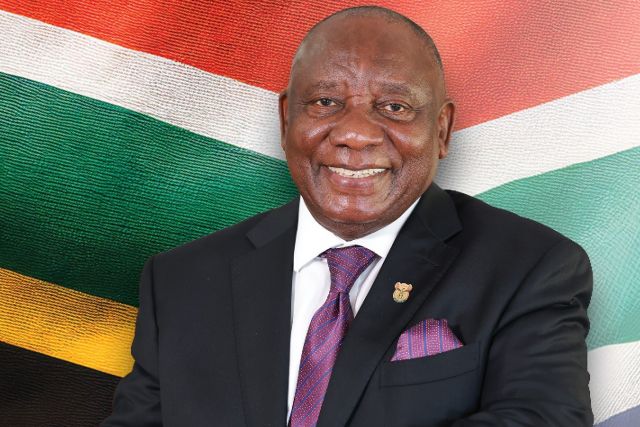
Following the official brand re-launch by the Salvador Caetano Group, JMC South Africa announce the arrival of the All-New JMC Vigus.

Jetour South Africa hosted its inaugural Dealer of the Year Awards on Tuesday night, bringing together its national dealer network of nearly 60 dealerships.
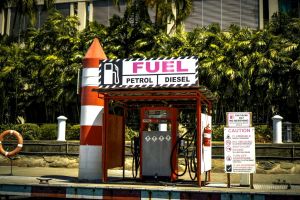
South Africa’s motorists and automotive sector are facing a fresh layer of uncertainty as the Middle East conflict continues to disrupt global oil markets, but for now the country’s fuel supply remains stable even as costs rise.
 Advertisement
 Advertisement
You can't buy happiness but you can buy cars and that's kind of the same thing.
Unknown
South Africa’s motorists and automotive sector are facing a fresh layer of uncertainty as the Middle East conflict continues to disrupt global oil markets, but for now the country’s fuel supply remains stable even as costs rise.

Stellantis has struck a five year strategic partnership with Microsoft as it accelerates its shift towards software defined vehicles and digital services.
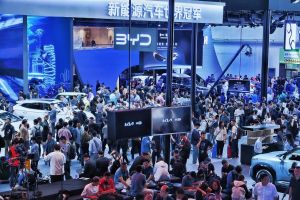
Auto China 2026 marks another milestone in the evolution of an event that has tracked China’s rise from emerging market to global automotive powerhouse.