Gender differences in car buying: Insights from Absa
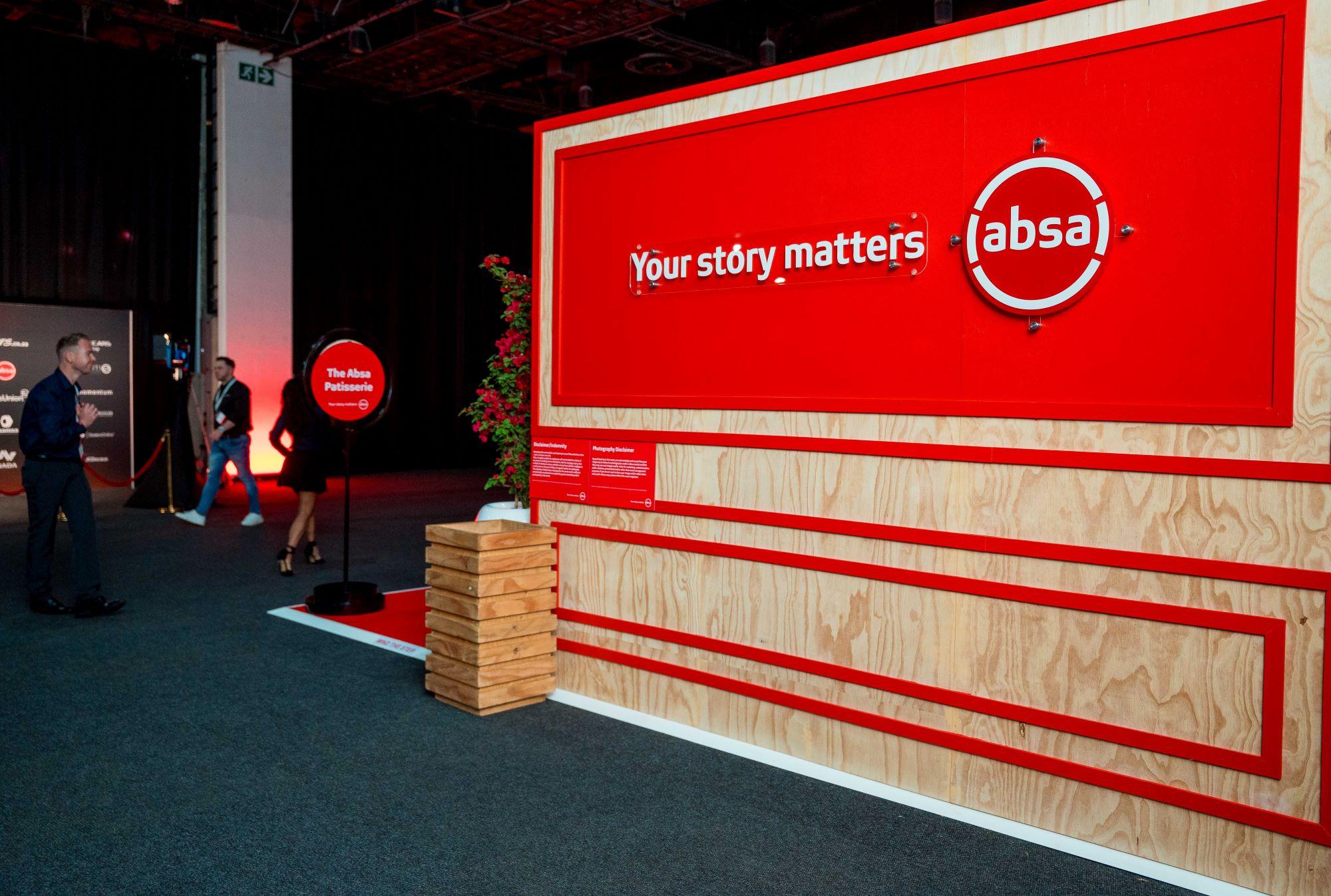
At last week’s DealerCon 2025, Absa shared fresh insights into how gender influences vehicle purchasing behaviour in South Africa. Drawing on its extensive finance and consumer data, Absa highlighted important trends that could reshape how dealers approach marketing, stock planning and customer engagement.
Share with friends
One of the standout points from Absa’s presentation was that women have consistently been the first adopters of new automotive brands.
This is particularly significant at a time when the South African market is seeing strong growth from newer entrants, especially Chinese manufacturers offering competitive value in the R300 000 to R750 000 price range. According to Absa’s analysis, female buyers are more open to trying new nameplates and models compared to men, who tend to show greater loyalty to established marques.
The presentation drilled deeper into the demographics of these early adopters, pointing out that the trend is most visible among women aged 36 to 45 with gross monthly incomes of between R20 000 and R40 000.
This group not only has the spending power to purchase new vehicles but also appears willing to explore alternatives outside of the more traditional German and Japanese segments that have long dominated the South African landscape.
Cars.co.za has often observed similar dynamics in consumer behaviour, noting that women tend to be pragmatic buyers, paying closer attention to value, safety features, running costs and reliability. This aligns with Absa’s findings that women are more likely to take the lead in exploring less established brands, provided these brands demonstrate good quality and affordability.
Absa’s data also indirectly highlighted a gender divide in how quickly buyers progress from browsing to purchase. While not the central theme of the gender-focused slides, further insights into the bank’s presentation revealed that males typically took longer to browse before applying for finance, whereas female buyers tend to make decisions within a shorter window.
For dealers, this suggests that women may offer a more predictable sales cycle, while men might require longer-term engagement strategies.
So, what does this all mean for the industry? Firstly, dealerships and manufacturers should take note that women are powerful trendsetters in the South African vehicle market. Their willingness to try new brands could accelerate the acceptance of Chinese and other emerging players, especially in the affordable SUV and crossover segments. Marketing efforts that highlight safety, practicality and long-term value are likely to resonate strongly with this demographic.
Secondly, the fact that middle-income women in their mid-thirties to mid-forties are driving much of this early adoption provides a clear customer profile for targeted campaigns. Dealers who understand the financial and lifestyle priorities of this group, such as balancing family needs with professional mobility, stand to benefit from aligning their stock and messaging accordingly.
Finally, the slower browsing pace of male buyers underlines the importance of patience and multi-touch engagement when dealing with this segment. Absa’s data suggests that men may eventually commit to higher-value purchases, but only after more extensive research and comparison. This means that both online platforms like Cars.co.za and physical dealerships need to sustain long-term interest rather than push for quick conversions.
In summary, Absa’s presentation at DealerCon 2025 underscored how gender continues to shape vehicle purchasing decisions in South Africa. Women, especially those in the 36 to 45 age bracket, are not just participants in the market – they are setting the pace for brand acceptance and influencing broader consumer trends. For an industry under pressure to adapt to shifting preferences and new market entrants, these insights are invaluable.
Hyundai Automotive South Africa officially opened Hyundai Midrand, a new dealership aimed at strengthening the brand’s presence in Gauteng and responding to growing customer demand in one of the province’s fastest-growing commercial corridors.
The compact SUV market in South Africa has gained a new contender with the arrival of the GAC Emzoom Nova. It joins the existing Emzoom Executive and Emzoom R‑Style models, broadening the range offered by Salvador Caetano South Africa, the official distributor of GAC Motor.
Chinese vehicle brand Changan has strengthened its South African retail presence with the opening of a new flagship dealership in Umhlanga, KwaZulu-Natal, as the company pushes ahead with plans to establish about 45 dealerships nationally during 2026.
A South African dealership has been instructed to remove or amend an advertisement for a new Jetour T2 after the Advertising Regulatory Board (ARB) ruled that the listing created the impression that a specific vehicle was immediately available for purchase when it was not.
If you were hoping to experience the roaring streets of the Isle of Man TT in 2026, you are already too late. This event, with practice sessions starting on 25 May 2026 and racing commencing on the 30th, requires at least six to twelve months of planning, along with a substantial budget.
Pinewood.AI has added two new embedded modules to its Business Intelligence Solution, giving dealers and OEMs greater insight into financial performance and the customer journey, it says.