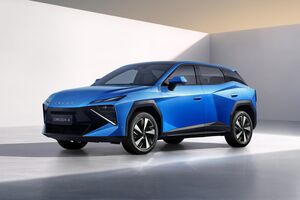
Foton establishes first overseas manufacturing base in SA
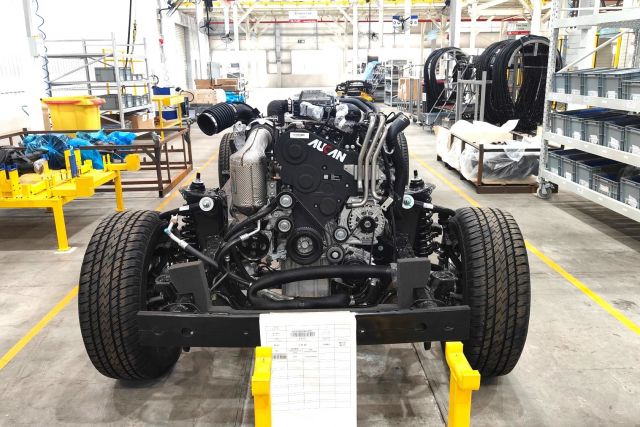
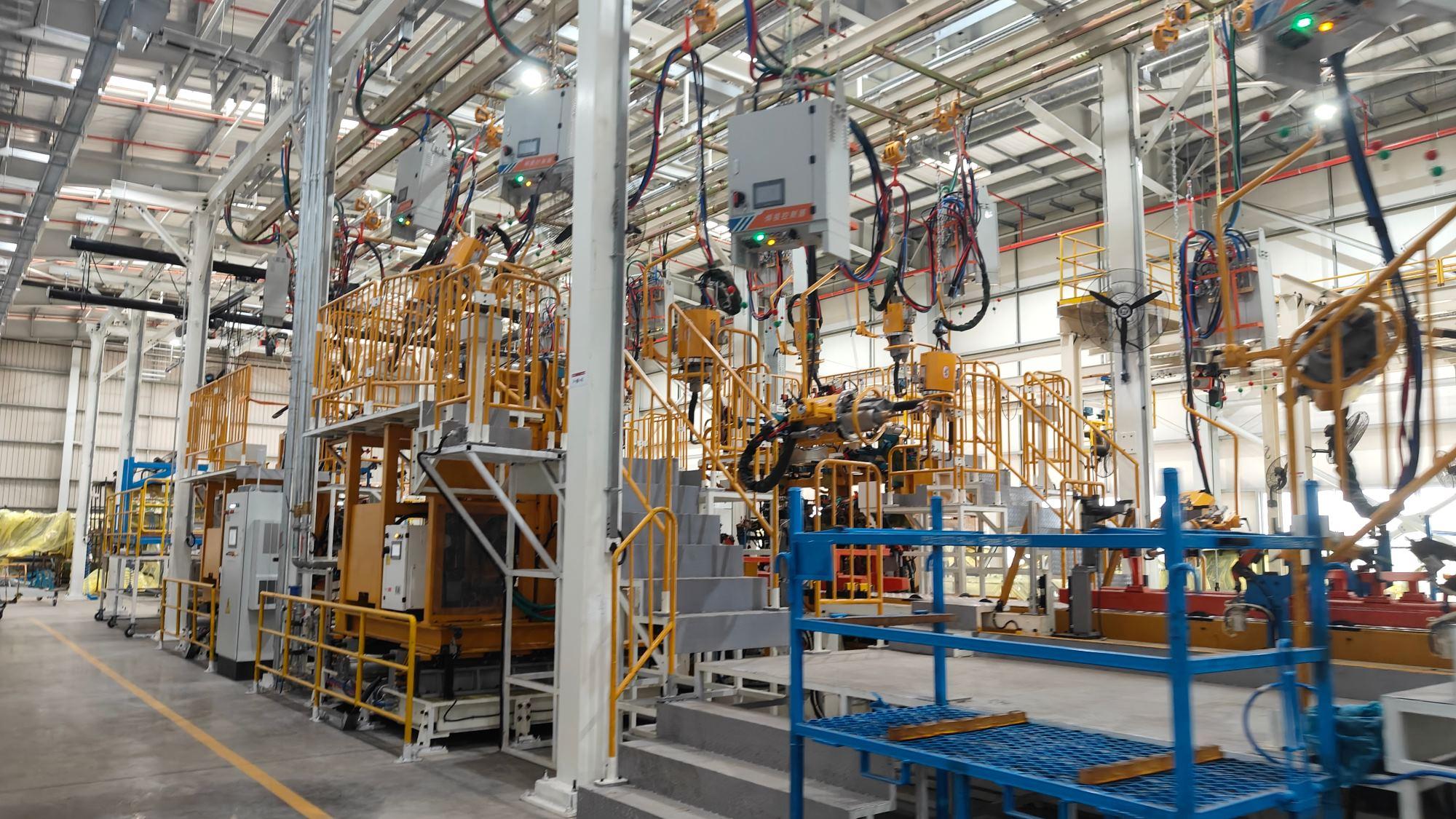
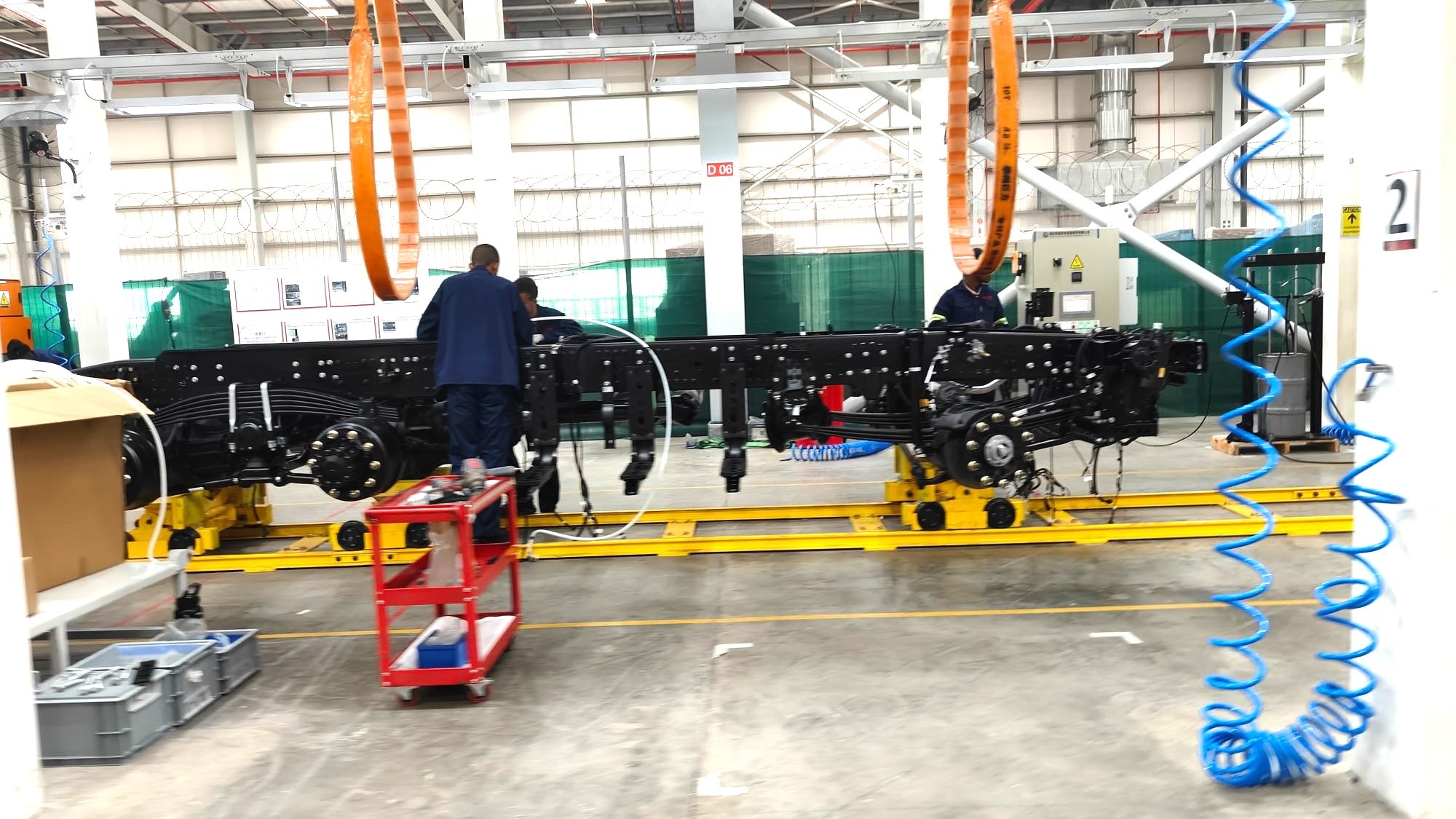
Foton has reached a significant milestone with the commencement of Completely Knocked Down (CKD) vehicle production at its manufacturing facility in Gqeberha, strengthening South Africa’s role in the company’s global manufacturing and export strategy.
Share with friends
The project was established in alignment with China’s Belt and Road Initiative and South Africa’s Automotive Industry Development Plan (AIDP) 2035, supporting the localisation and development of advanced automotive manufacturing in the region, Foton says in a statement.
The Gqeberha facility in the Eastern Cape represents Foton’s first overseas vehicle manufacturing base, positioning South Africa as a strategic hub for production and exports. The plant is designed to serve the local market while expanding distribution into Africa, the Middle East, and Latin America.
“The launch of CKD production at our Gqeberha facility represents a major milestone for Foton globally and for South Africa’s automotive industry,” says Marius Smal, CEO of Foton South Africa. “By establishing its first overseas manufacturing base in South Africa, Foton is expressing confidence in the country’s industrial capability, skilled workforce, and strategic importance as a gateway to regional and international markets.”
Construction of the facility began in 2016, and the project has since delivered meaningful economic impact within the Eastern Cape region.
To date, the plant has created more than 3 000 direct and indirect jobs within the local community and has supported over 150 local small and medium-sized enterprises (SMEs) through sub-packaging and supply chain activities.
These initiatives contribute to strengthening South Africa’s automotive manufacturing ecosystem while supporting the objectives of the AIDP 2035, which aims to increase localisation and expand the country’s automotive production capacity.
“Beyond manufacturing vehicles, Foton’s investment is focused on building a sustainable automotive ecosystem that supports local suppliers, drives skills development, and contributes to long-term economic growth,” Marius adds.
With CKD production now operational, the facility manufactures a range of vehicles, including SUVs, pickup vehicles within the Tunland range, and commercial trucks.
The plant has an annual production capacity of approximately 50 000 vehicles, enabling scalable manufacturing for both domestic demand and export markets.
“As production expands, the Gqeberha facility will play an increasingly important role in Foton’s global manufacturing network,” Marius states. “South Africa’s established automotive industry and its position as a gateway to emerging markets make it an ideal base for future growth.”
Foton’s next phase will focus on expanding production, strengthening supplier partnerships, and increasing localisation as the facility continues to integrate into South Africa’s broader automotive manufacturing landscape.
Charging time remains a worry for many South Africans considering an electric vehicle, who still see it as a disruption rather than a quick stop at a filling station. That view is starting to shift.
The winners of the 2026 Automotive Business Council | naamsa Accelerator Awards were announced at the recently held Auto Week 2026, which took place in eThekwini, KZN.
When Cobus Coetzee (photo) accepted the opportunity to join the Morgan Group in Upington, he had to weigh up more than a new position. The move meant exchanging the West Coast’s cooler climate and seaside lifestyle for the Northern Cape’s desert heat, while taking responsibility for a multi-franchise operation spread across several premises.
The winners of the 2026 Automotive Business Council | naamsa Accelerator Awards were announced at the recently held Auto Week 2026, which took place in eThekwini, KZN.
With the steep rise in fuel prices since March this year leading to historic record highs following massive increases in October, the government intervention annouched this week, is widely welcomed.
Omoda has confirmed that the new C4 will become the first model from the Chery Group to be built in South Africa, with production set to take place at the company's Rosslyn manufacturing facility in Gauteng.