

Springboks score tries in Nissan Navara Pro4X
Two leading Springbok rugby players, Aphelele Fassi and Jordan Hendrikse, have taken delivery of their new Nissan Navara Pro4X bakkies in Durban.
- Industry News
- 12 May 2026
South Africa's automotive sector is set for a significant transformation as Chinese and Indian vehicle manufacturers prepare to shift from basic assembly operations to full-scale local production.

Trade, Industry and Competition Minister, Parks Tau, recently announced that foreign automakers currently operating semi-knocked-down (SKD) assembly plants have committed to upgrading to completely knocked down (CKD) vehicle manufacturing.
The announcement, made during discussions on South Africa's response to US automotive tariffs, represents a major policy victory for the government's efforts to revive the country's struggling automotive industry and reduce dependence on vehicle imports, reports Reuters.
The shift from assembly to manufacturing:
The transition from SKD to CKD production marks a fundamental change in how vehicles will be made in South Africa. Currently, SKD operations involve importing partially assembled vehicles and completing final assembly locally.
Under CKD manufacturing, vehicles will be fully assembled from individual components, requiring deeper investment in local facilities, workforce skills and supply chains.
Minister Tau's remarks highlighted the urgency of this shift, noting that only 37% of vehicles sold in South Africa are currently produced locally. Meanwhile, 36% are imported from India and 11% from China, underscoring the need to strengthen domestic manufacturing capacity.

Key players and investment commitments:
Several major manufacturers from India and China are leading the expansion.
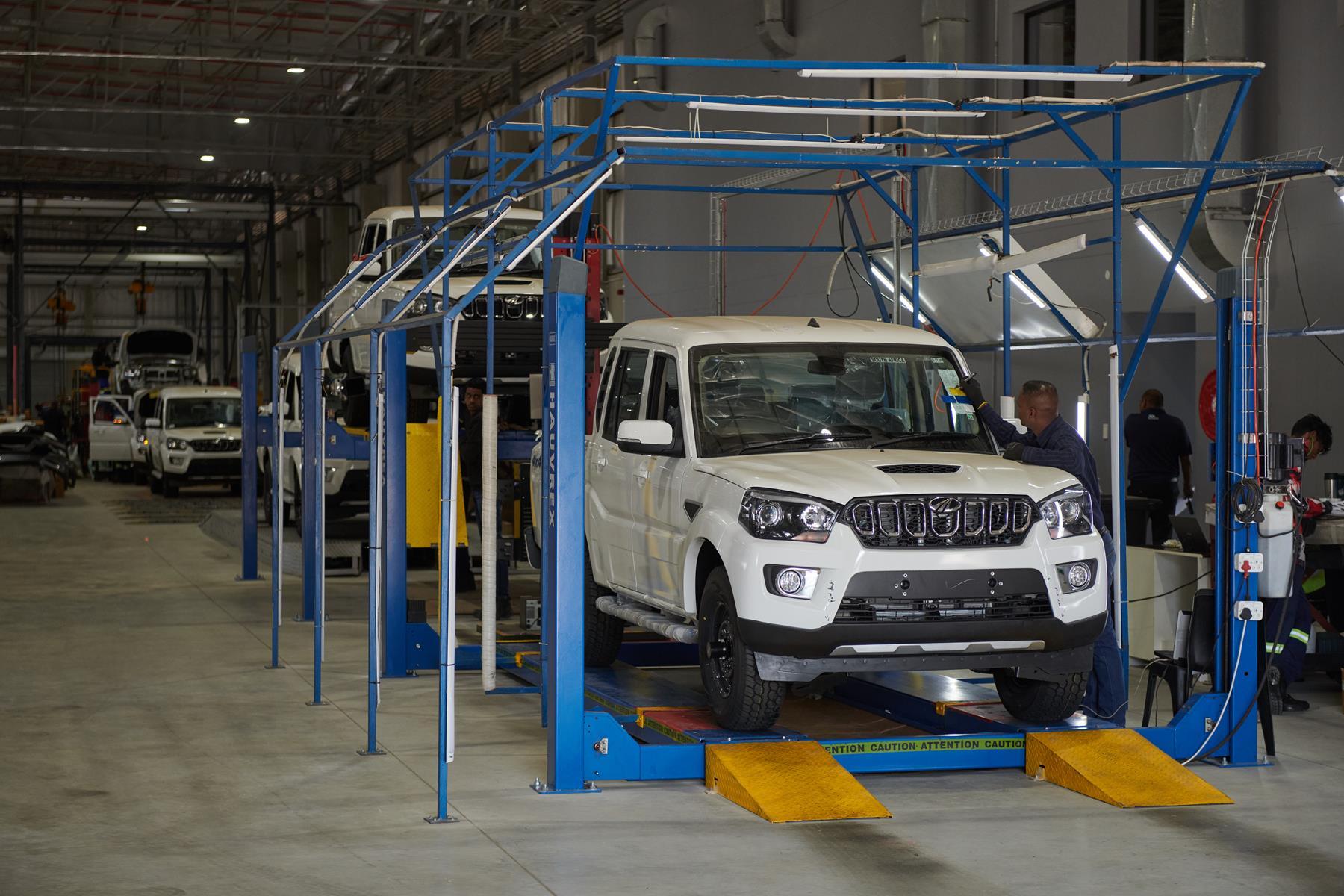
Mahindra signed a Memorandum of Understanding with the Industrial Development Corporation on 25 February 2025 to assess feasibility of a CKD plant. The company recently celebrated its 25 000th locally assembled Pik Up in February 2025 and is conducting a feasibility study throughout 2025, with potential roll-out expected in late 2026 to 2027.
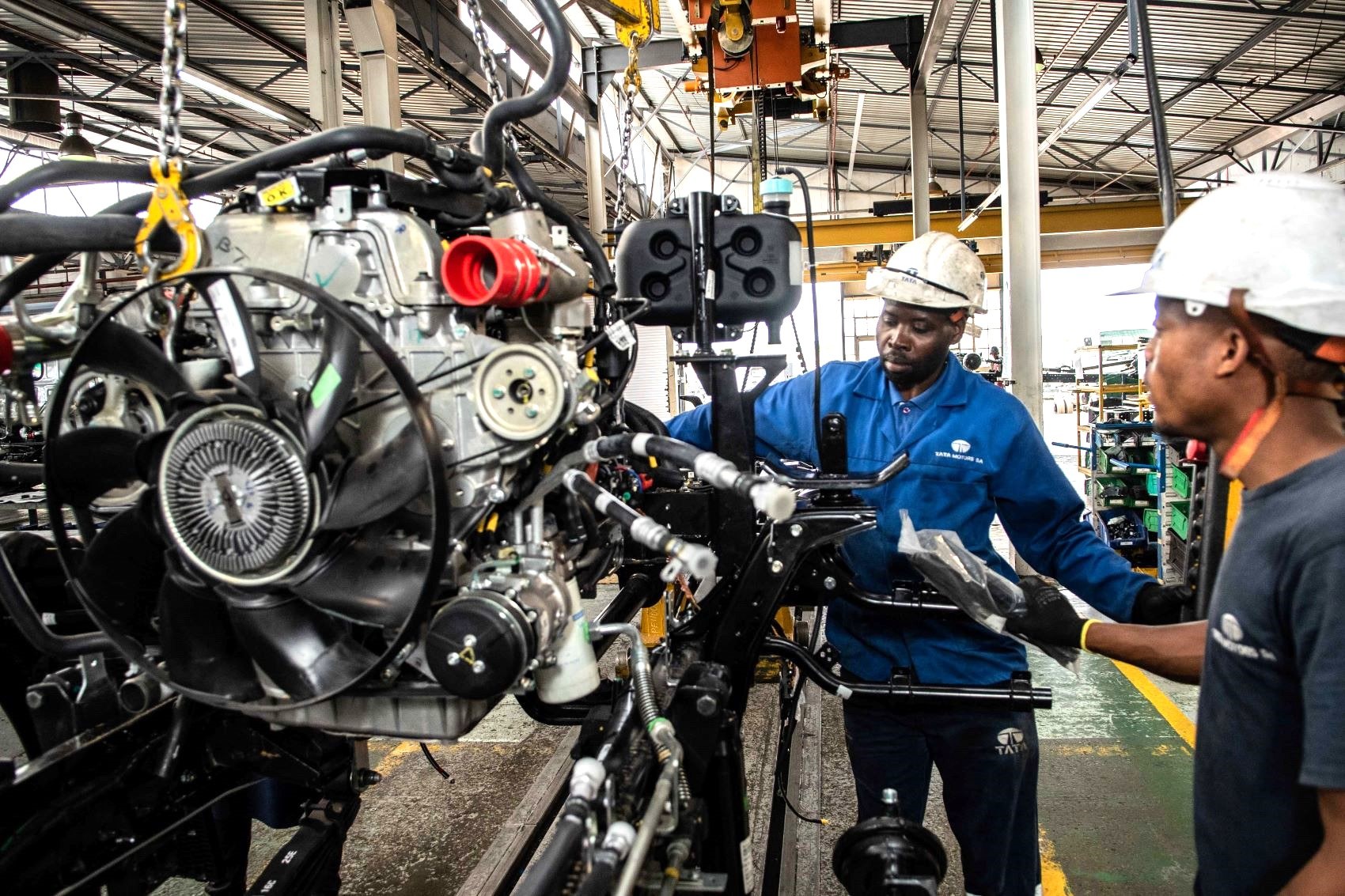
Tata Motors has been identified as a key player in South Africa's automotive expansion, leveraging BRICS partnerships, with Tata Africa Holdings already assembling larger SKD commercial vehicles in Rosslyn outside Pretoria.
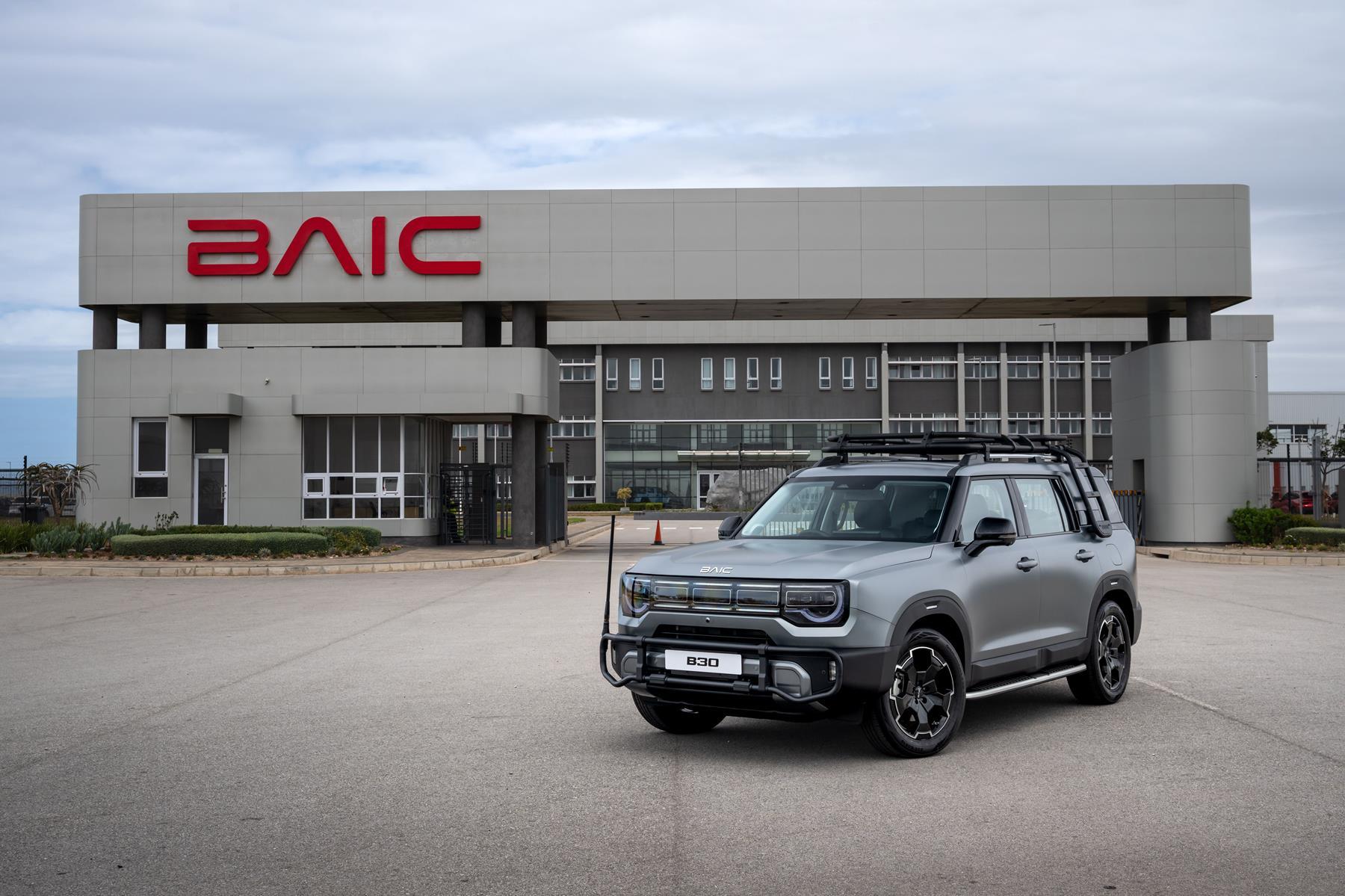
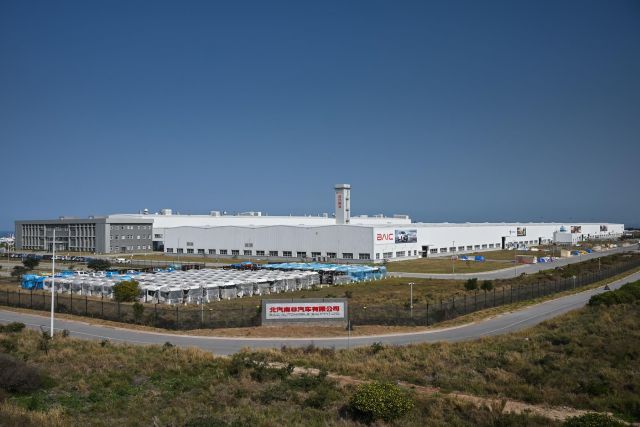
BAIC (Beijing Automotive Industry Holding Co) already operates a plant at the Coega Special Economic Zone and has committed to expanding into CKD production, though specific timelines have not yet been announced.
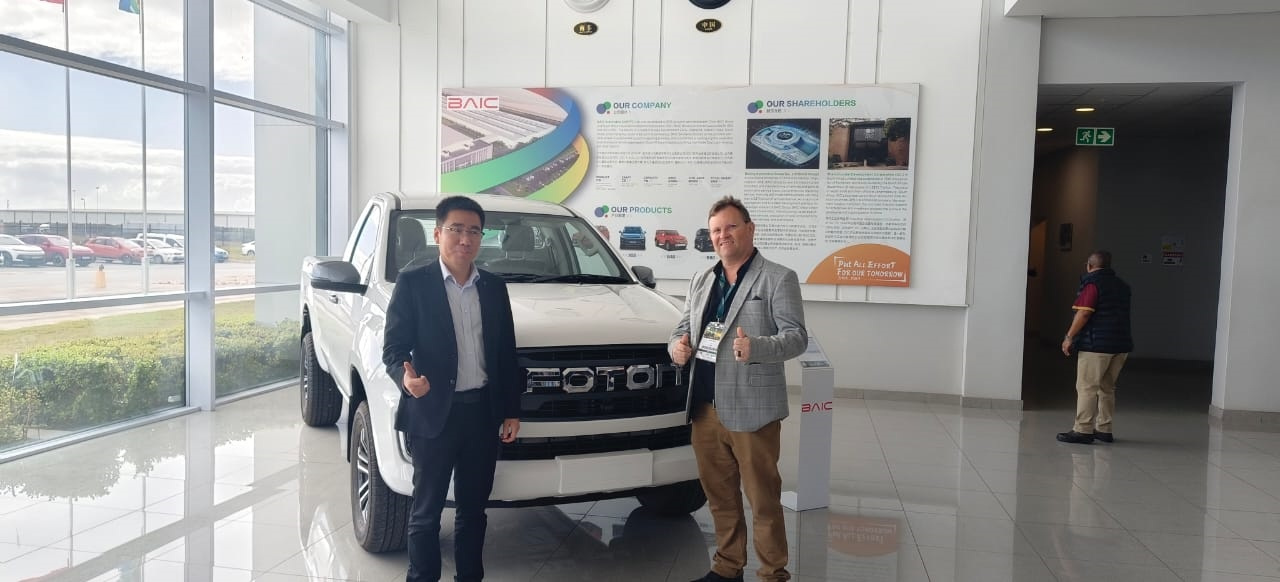
Chinese bakkie manufacturer, Foton, will join BAIC at this facility with Completely Knocked Down (CKD) production of the Foton Tunland bakkie.
Chery is rapidly growing its market share in South Africa and is expected to move towards CKD assembly as part of the government's industrial strategy.
Leapmotor and LDV have entered the South African market with backing from Stellantis and SAIC respectively, though both remain in early market penetration phases.


Economic and strategic impact:
The move to full vehicle manufacturing is expected to generate substantial economic benefits for South Africa. CKD plants will create thousands of jobs, not only in assembly facilities but also in related industries, including steel production, component manufacturing and logistics.
Minister Tau emphasised that this initiative aligned with South Africa's broader industrial policy to revive the local automotive sector, which has faced challenges from declining export demand, cheaper imports and infrastructure bottlenecks. The government sees the expansion as an opportunity to position the country as a regional automotive hub for Africa, capitalising on existing trade agreements and geographic advantages.
The timing of these commitments is particularly significant given the current global trade environment. South Africa is leveraging its BRICS alliances to offset US tariff pressures and attract long-term Asian investment, rather than simply hosting short-term assembly operations.
Looking ahead:
Whilst Mahindra has provided the clearest timeline for its CKD transition, other manufacturers are still finalising their expansion plans. The government's success in securing these commitments demonstrates policy credibility and active engagement with foreign investors.
The transition will require substantial investment in infrastructure, skills development and supply chain enhancement. However, the potential rewards include stronger industrial capacity, increased employment and a more competitive position in global automotive markets.
As these plans materialise over the coming years, South Africa's automotive landscape is likely to change considerably, with implications for employment, trade balances and the country's role as a manufacturing destination for international vehicle brands.
Two leading Springbok rugby players, Aphelele Fassi and Jordan Hendrikse, have taken delivery of their new Nissan Navara Pro4X bakkies in Durban.
Dealership service departments know the pattern: the moment warranties and service plans expire; a portion of owners quietly migrate to the independent aftermarket.

Mercedes-Benz Vans South Africa announced its top-performing Agents and Dealers for 2025, recognising their exceptional dedication, customer service and commitment to the brand.
 Advertisement
 Advertisement
I have bad reflexes. I was once run over by a car being pushed by two guys
Woody Allen
Two leading Springbok rugby players, Aphelele Fassi and Jordan Hendrikse, have taken delivery of their new Nissan Navara Pro4X bakkies in Durban.

The Board of Management of Volkswagen Group Africa (VWGA) has appointed Dr Lungile Mashele as Non-Executive Director, effective 1 May 2026.
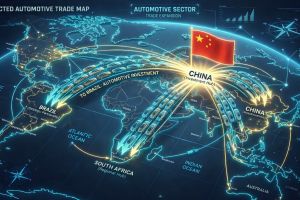
Brazil has climbed back to the top of the global league table for Chinese outbound investment, drawing 10.9% of the total in 2025, according to the Brazil-China Business Council.