

Hatfield Motor Group takes top honours at Audi Dealer Awards
Audi South Africa honoured the outstanding achievements of its national dealer network at the annual Audi Vorsprung Awards.
- Dealer News
- 28 April 2026
Australia’s growing love affair with oversized bakkies (or Utes as they are known Down Under) has sparked a fresh safety review by ANCAP (Australasian New Car Assessment Program). This time, it is not just about surviving a crash, but avoiding one altogether.
Concerns over the size and weight of these utes, especially in suburban areas and near schools, led the authority to examine how well-advanced driver-assistance systems (ADAS) protect pedestrians, cyclists and smaller vehicles.
The study compared heavy hitters like the Chevrolet Silverado 1500, RAM 1500, Toyota Land Cruiser 79 Series, Toyota Tundra and the latest Ford F-150. Instead of focusing solely on crashworthiness, ANCAP assessed the sophistication of each model’s crash-avoidance tech. The Ford F-150 topped the list with its comprehensive ADAS suite, followed by the RAM 1500. Toyota’s offerings were middling, while the Silverado lagged behind.
ANCAP says these findings will shape a new framework for rating large pickups, with further crash tests planned from 2026. The message is clear: toughness alone will not cut it. Modern safety now hinges on intelligence like sensors, cameras and software that prevent collisions before they happen.
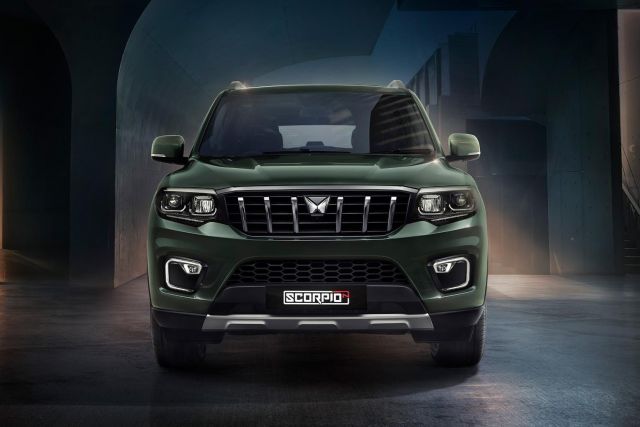
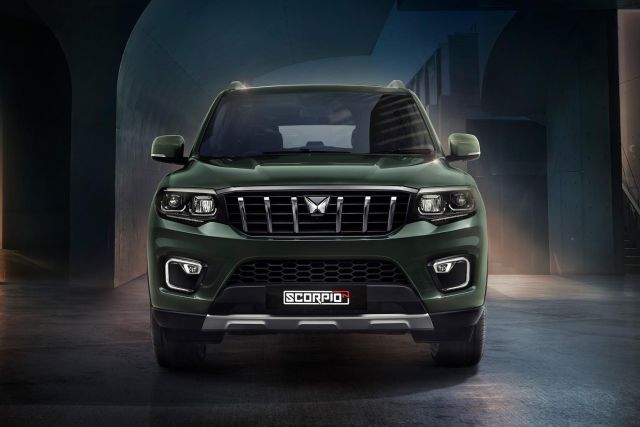
The Mahindra Scorpio N illustrates this shift. Praised by Global NCAP for structural strength, it earned five stars for occupant protection yet scored zero with ANCAP owing to limited ADAS. The contrast highlights how features like autonomous emergency braking, lane-keeping and blind-spot monitoring have become essential, especially for vehicles that can cause severe harm in a crash.
As standards evolve, future pickups will need more than muscle to earn top marks. Safety is no longer just about surviving impact; it’s about avoiding it altogether.
Audi South Africa honoured the outstanding achievements of its national dealer network at the annual Audi Vorsprung Awards.
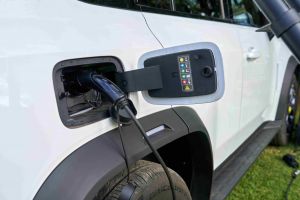
South Africa is experiencing its fastest shift yet towards electric mobility, driven not by environmental policy but by sheer economics.
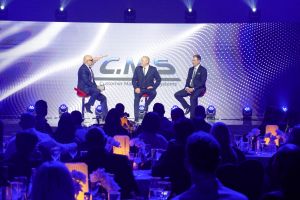
CMS Systems is celebrating 25 years in business, marking a significant milestone for a company that has become a central player in automotive retail technology.
 Advertisement
 Advertisement
Have you ever noticed that anybody driving slower than you is an idiot, and anyone going faster than you is a maniac?
George Carlin
CMS Systems is celebrating 25 years in business, marking a significant milestone for a company that has become a central player in automotive retail technology.
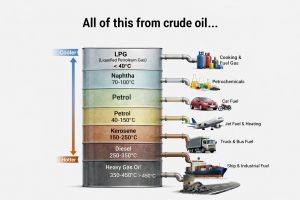
Oil prices jumped on Wednesday after Iran's seizure of container ships in the strait.

Hyundai Motor is preparing an aggressive comeback in China, unveiling plans to launch 20 new vehicles over the next five years as it tries to rebuild its position in the world’s largest car market.