
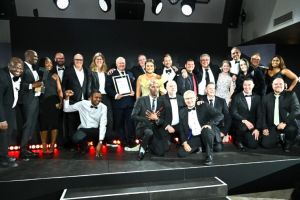
Hatfield Motor Group takes top honours at Audi Dealer Awards
Audi South Africa honoured the outstanding achievements of its national dealer network at the annual Audi Vorsprung Awards.
- Dealer News
- 28 April 2026
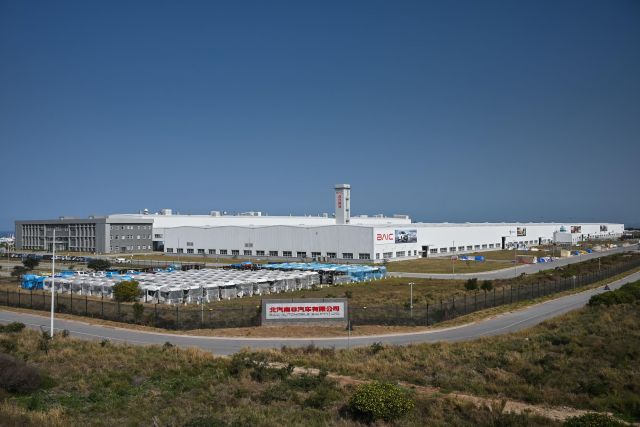
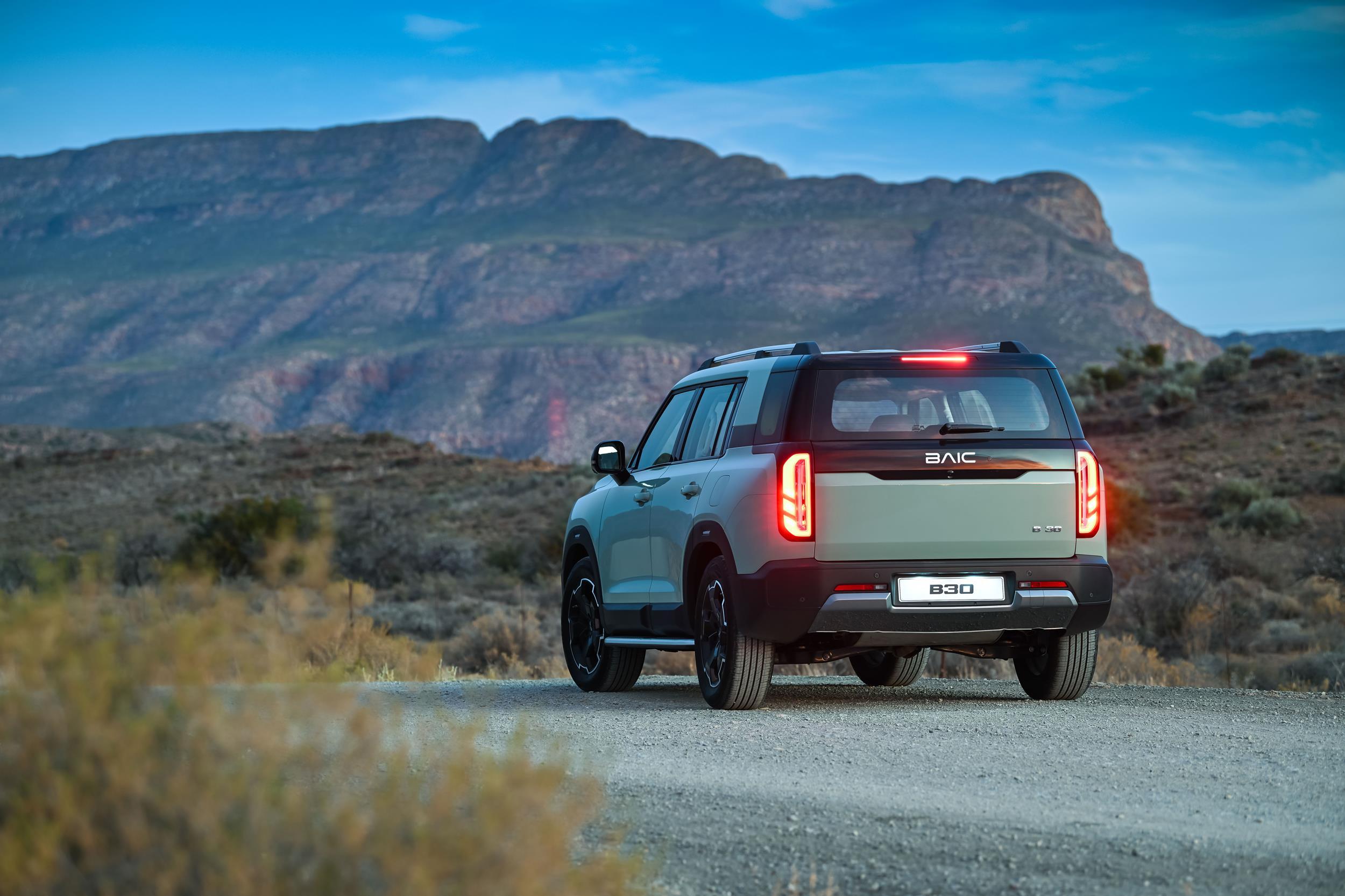
BAIC South Africa has confirmed that the all-new BAIC B30 SUV will be assembled locally at the company’s Coega facility in Gqeberha. This step, says BAIC, marks another significant step in the brand’s long-term commitment to the South African market.
The announcement follows the B30’s dynamic first showing at the Festival of Motoring 2025 and comes ahead of its official national launch within the next weeks.
Earlier Foton also announced it would assemble its Foton Tunland bakkies at the same plant, sharing the facility and the capacity it offers. Read more.
Local assembly will begin shortly after launch, reinforcing BAIC’s strategy to build key models on South African soil and expand the plant’s production footprint. “Localising the B30 is about more than manufacturing – it’s about investing in people, skills and a sustainable automotive future for South Africa,” says Ameena Hassan, Brand & PR Manager at BAIC South Africa.
“Our Coega facility was built to support long-term growth, and the addition of the B30 underscores our confidence in this market and our intention to become a truly local brand,” she says.
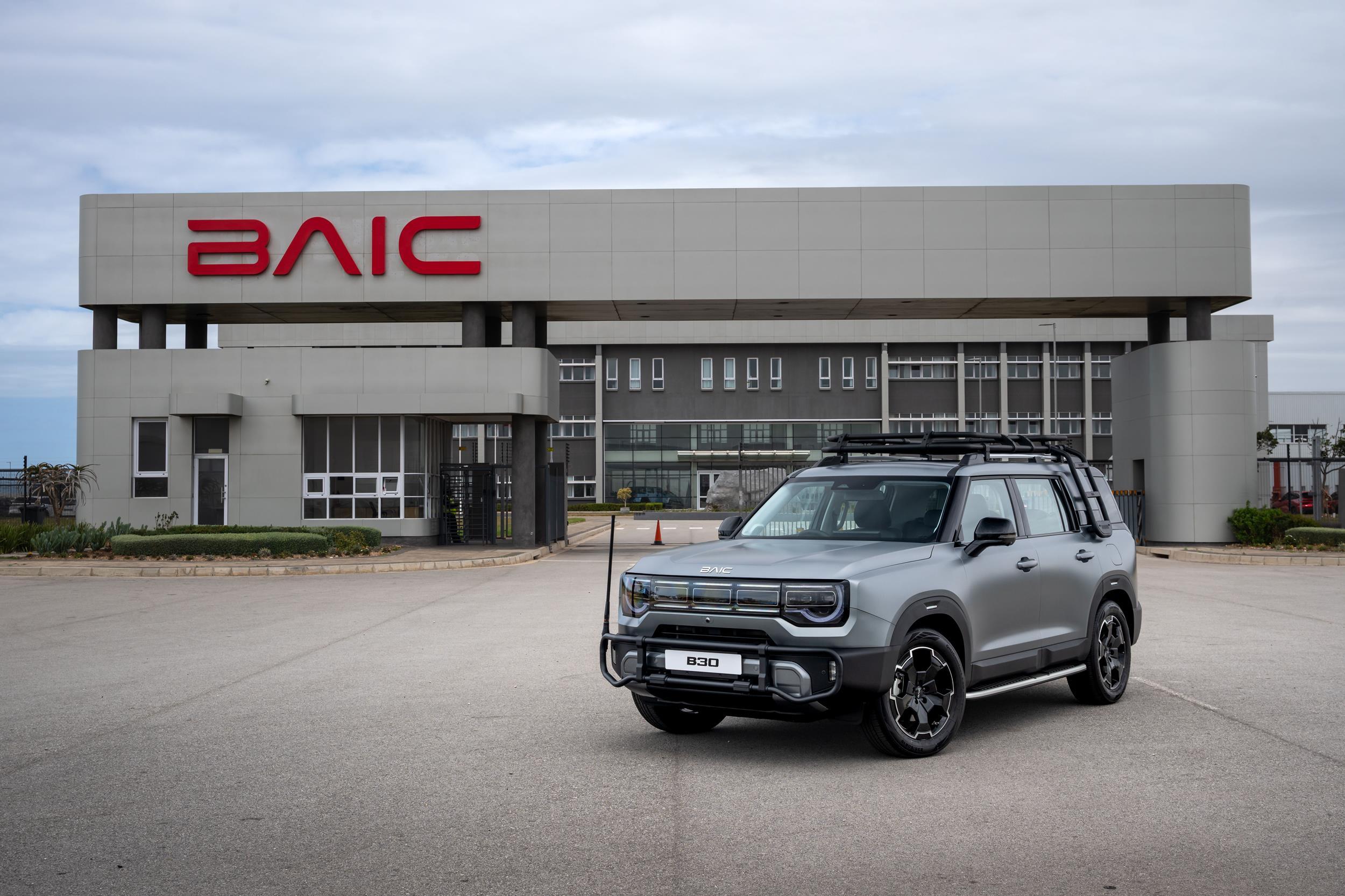
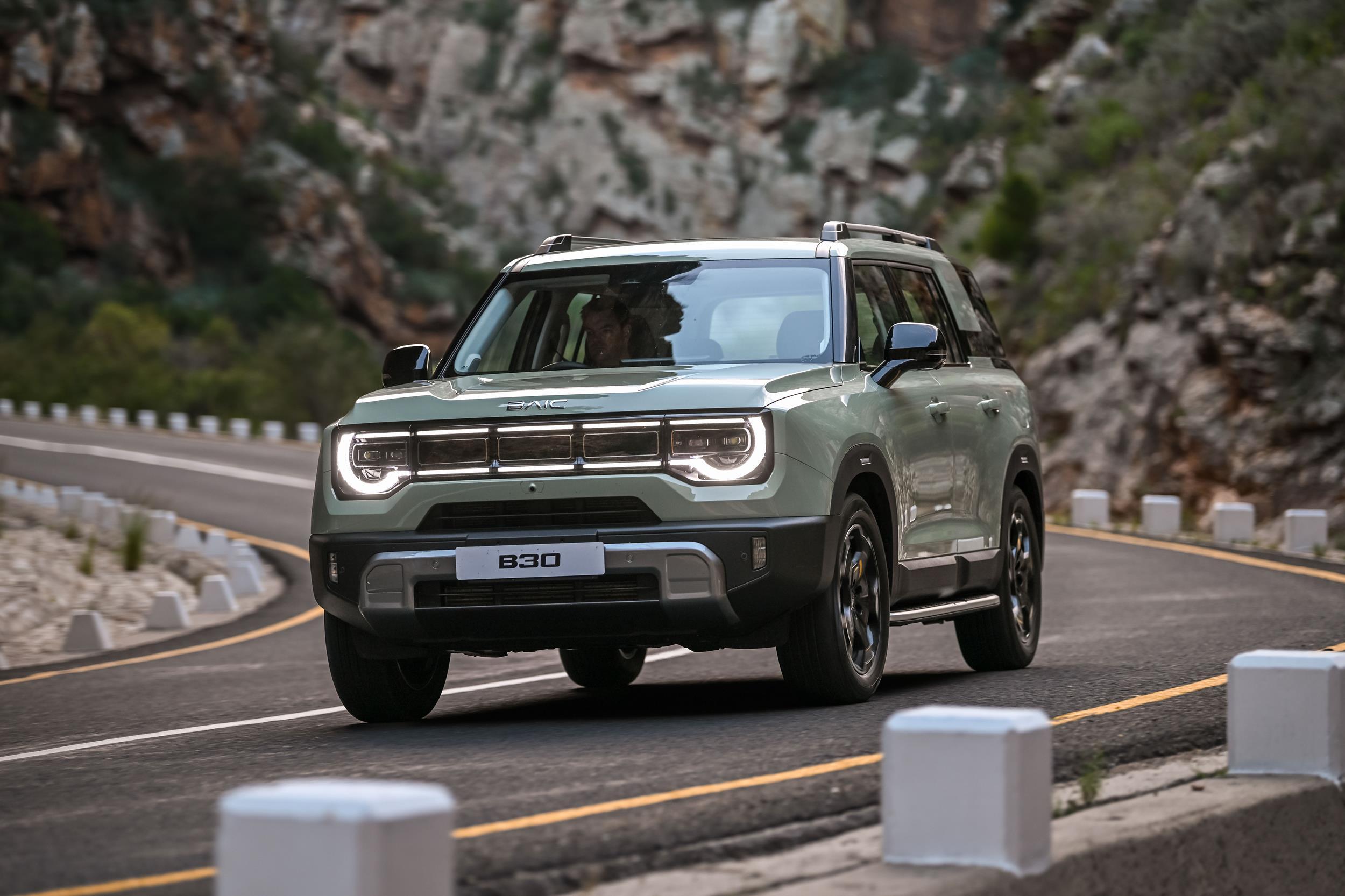
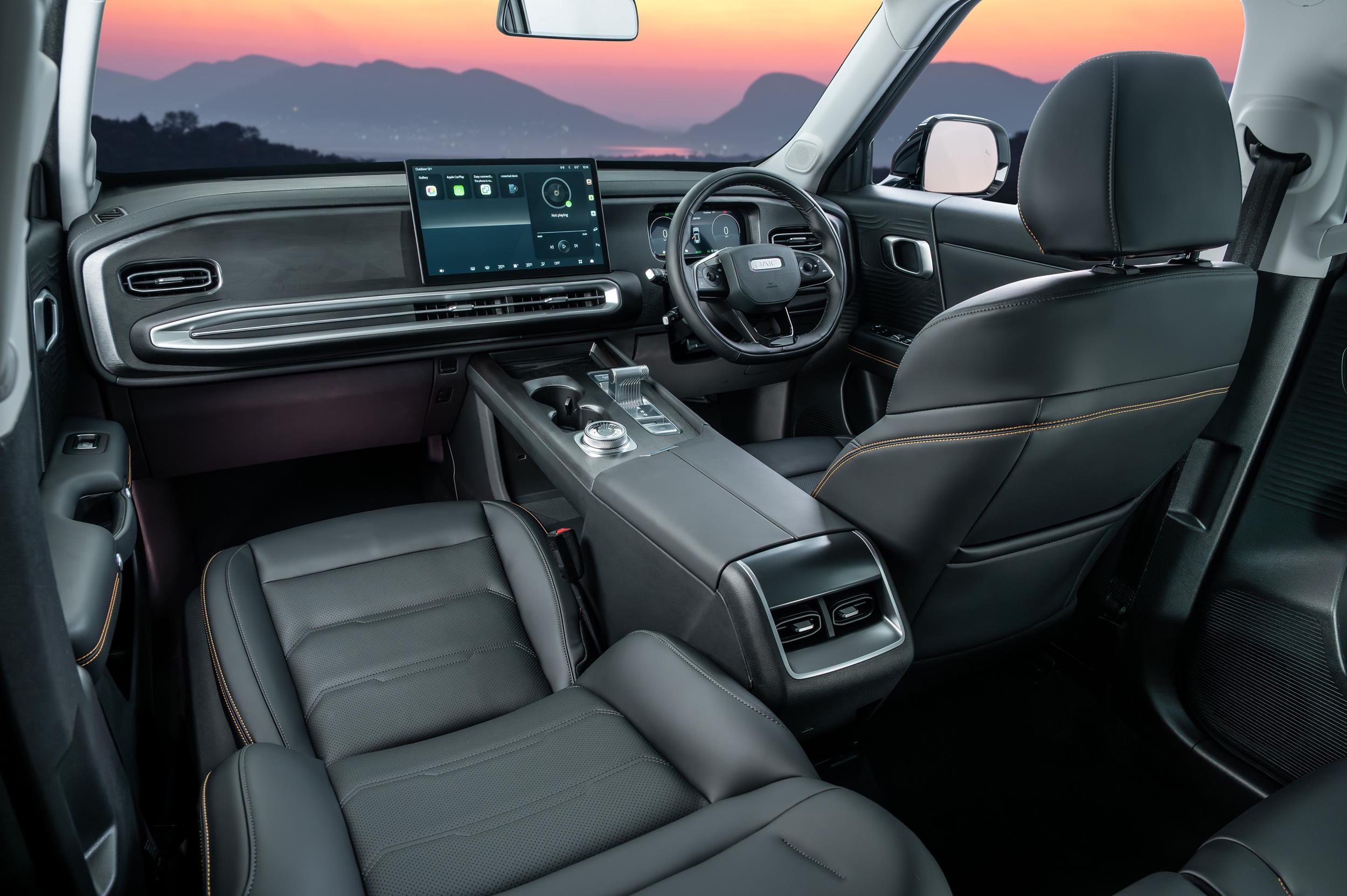
The R11 billion Coega plant, one of the largest industrial investments in the country’s automotive sector, currently assembles the BAIC B40 Plus and X55 Plus models. The inclusion of the new B30 SUV will expand capacity and sustain hundreds of local jobs across production, logistics and dealership networks.
In line with BAIC’s global “Build Where We Sell” philosophy, the localisation of the B30 strengthens the brand’s supply-chain resilience, reduces import dependency and opens opportunities for future component sourcing through South African suppliers, the manufacturer claims.
“We see South Africa as the gateway to the continent,” Ameena adds. “Building the B30 locally allows us to deliver vehicles faster, tailor them to local conditions and invest directly in the communities that support us.”
Audi South Africa honoured the outstanding achievements of its national dealer network at the annual Audi Vorsprung Awards.
South Africa is experiencing its fastest shift yet towards electric mobility, driven not by environmental policy but by sheer economics.
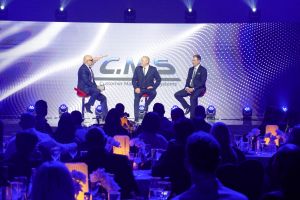
CMS Systems is celebrating 25 years in business, marking a significant milestone for a company that has become a central player in automotive retail technology.
 Advertisement
 Advertisement
You can't buy happiness but you can buy cars and that's kind of the same thing.
Unknown
CMS Systems is celebrating 25 years in business, marking a significant milestone for a company that has become a central player in automotive retail technology.
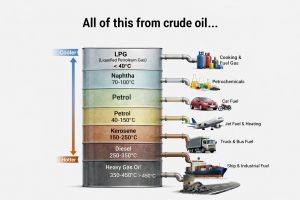
Oil prices jumped on Wednesday after Iran's seizure of container ships in the strait.
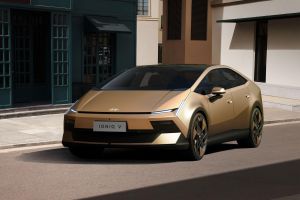
Hyundai Motor is preparing an aggressive comeback in China, unveiling plans to launch 20 new vehicles over the next five years as it tries to rebuild its position in the world’s largest car market.