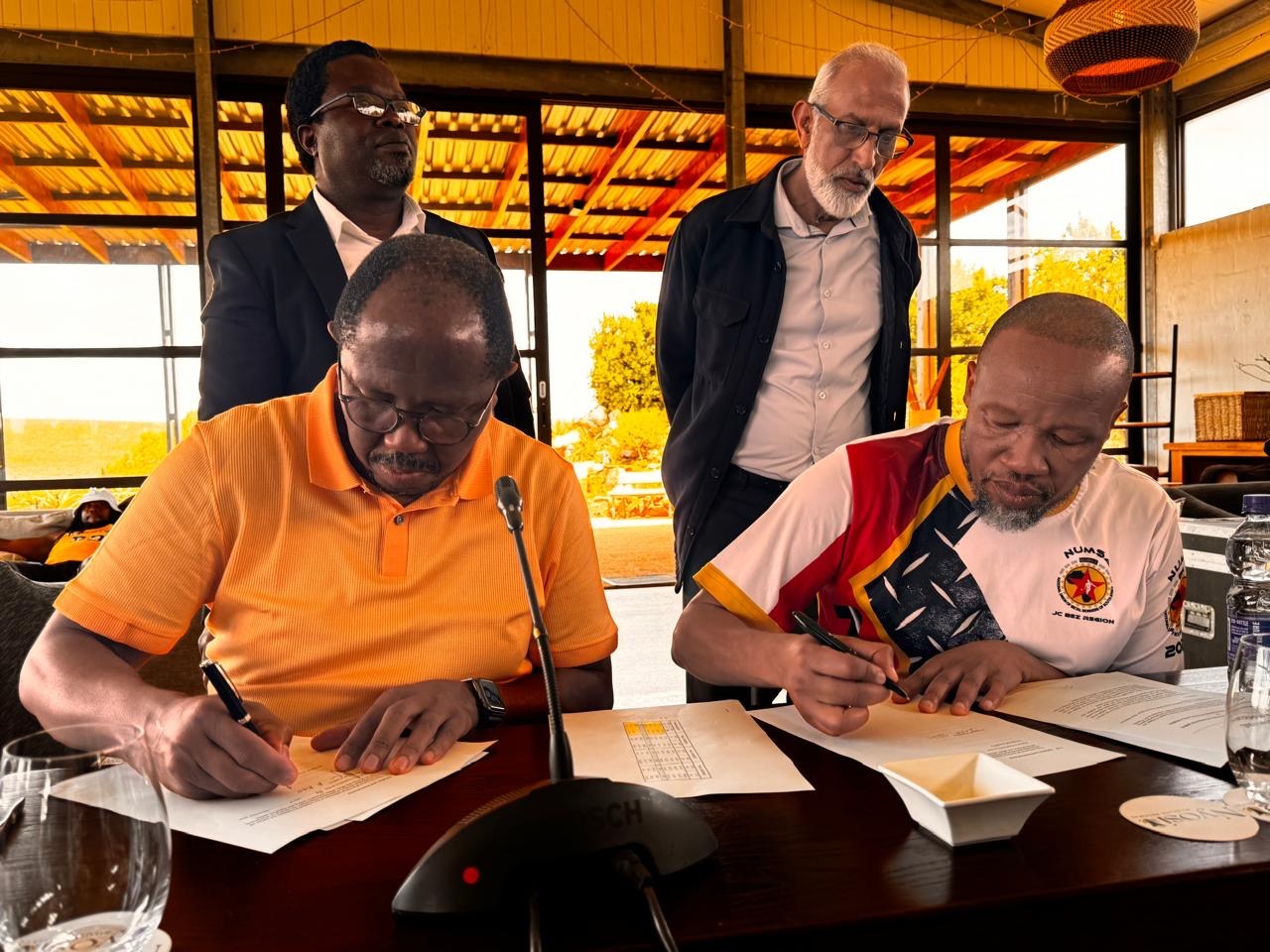
A very costly and potential devastating strike and labour action between the biggest labour union in the auto industry and local vehicle manufacturers and supply chain businesses were avoided with the signing of an agreement on 14 November.
Share with friends
The Automobile Manufacturers Employers Organisation (AMEO) announced that, following nine rounds of negotiations under the National Bargaining Forum (NBF) and a declared deadlock by the National Union of Metalworkers of South Africa (NUMSA), a wage agreement has been successfully concluded and formally signed in Gqeberha, Eastern Cape.
The agreement marks the culmination of extensive engagements between AMEO and NUMSA, including extensive facilitated sessions aimed at ensuring a sustainable and responsible settlement for the automotive industry.
The agreement reflects the full and final offer tabled by AMEO at the NBF Plenary on 30 October 2025, comprising:
* A 7% Across-the-Board (ATB) wage increase in Year 1, backdated to 1 July 2025.
* 5.5% ATB increases in Years 2 and 3.
* A R12 500 once-off strike-free taxable gratuity for all eligible employees.
Improved employee benefits, including increased transport and housing allowances as well as enhanced short-time compensation.
Abey Kgotle (AMEO Chairperson) and Irvin Jim (General Secretary of the National Union of Metalworkers of South Africa - Numsa) at the signing of the agreement.
These enhancements ensure that automotive manufacturing employees continue to enjoy some of the most competitive wages and benefits in the South African industrial landscape.
AMEO emphasised that the agreement balances fairness for employees with the long-term sustainability of South Africa’s automotive manufacturing sector, an industry that contributes nearly 5% to GDP and supports over 130 000 direct and indirect jobs.
Speaking after the signing ceremony, AMEO Chairperson, Abey Kgotle said: “This agreement is a testament to the maturity of our social partnership under the National Bargaining Forum. Despite a challenging environment and a deadlock, all parties ultimately prioritised stability, competitiveness and the long-term sustainability of the automotive manufacturing sector. We appreciate the constructive engagement demonstrated throughout the process, and we believe this agreement provides certainty for workers, employers and global investors alike.”
Abey added that the multi-year settlement underscores AMEO’s commitment to safeguarding South Africa’s position as a globally competitive automotive hub. “In an industry facing global headwinds and the accelerating transition to new-energy vehicles, stability is not optional, it is essential. This agreement reinforces the foundation on which we can continue to invest, innovate and protect jobs across the value chain.”
AMEO extended its appreciation to NUMSA, the NBF facilitation team and all stakeholders who participated constructively throughout the negotiation process. The Organisation reaffirmed its commitment to ongoing social dialogue and responsible labour relations that support national economic growth.
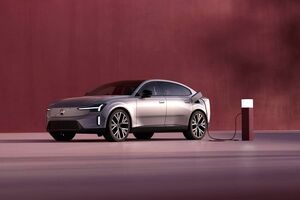
Charging time remains a worry for many South Africans considering an electric vehicle, who still see it as a disruption rather than a quick stop at a filling station. That view is starting to shift.
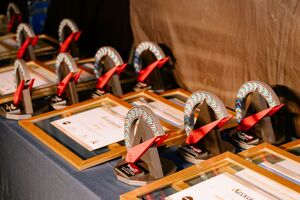
The winners of the 2026 Automotive Business Council | naamsa Accelerator Awards were announced at the recently held Auto Week 2026, which took place in eThekwini, KZN.
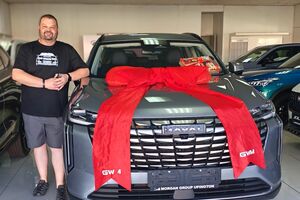
When Cobus Coetzee (photo) accepted the opportunity to join the Morgan Group in Upington, he had to weigh up more than a new position. The move meant exchanging the West Coast’s cooler climate and seaside lifestyle for the Northern Cape’s desert heat, while taking responsibility for a multi-franchise operation spread across several premises.
The winners of the 2026 Automotive Business Council | naamsa Accelerator Awards were announced at the recently held Auto Week 2026, which took place in eThekwini, KZN.
With the steep rise in fuel prices since March this year leading to historic record highs following massive increases in October, the government intervention annouched this week, is widely welcomed.
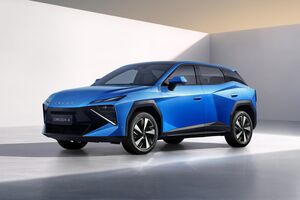
Omoda has confirmed that the new C4 will become the first model from the Chery Group to be built in South Africa, with production set to take place at the company's Rosslyn manufacturing facility in Gauteng.