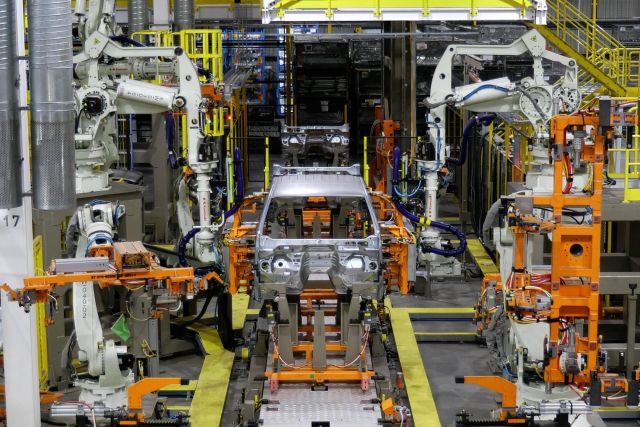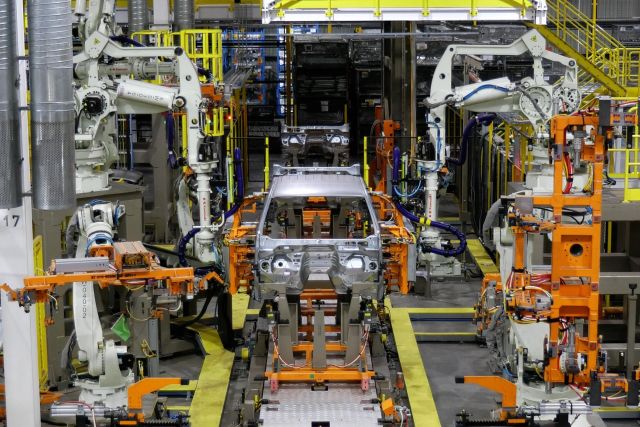
Automakers such as Ford and Hyundai have invested billions in AI-driven systems, aiming to enhance quality control, reduce defects and ultimately minimise costly recalls. Yet, despite the optimism, the results remain mixed, and the journey towards fully intelligent manufacturing is proving more complex than anticipated.
AI’s appeal lies in its ability to process vast amounts of data and detect anomalies that human inspectors might miss. Advanced computer vision systems, such as Ford’s AiTriz and MAIVS, use high-resolution cameras and machine learning algorithms to identify millimetre-scale misalignments and verify component placement in real time. These tools promise to catch errors before vehicles leave the production line, reducing warranty claims and safeguarding brand reputation.
Similarly, Hyundai has embraced AI to streamline assembly processes and improve consistency. The ambition is clear: a future where predictive analytics and automated inspections deliver near-perfect quality standards, eliminating the need for large-scale recalls.
Despite these technological leaps, the industry’s recall figures tell a sobering story. In 2025 alone, recalls surged dramatically, with millions of vehicles affected globally. Ford, for instance, faced a record 94 recalls earlier this year, costing the company millions and highlighting the limitations of current systems. While AI can detect certain defects, it is not yet infallible, particularly when dealing with complex, software-driven vehicles such as electric and autonomous models.
A recent study by Upstream revealed that 70 per cent of recalls since 2020 could have been detected earlier using connected vehicle data and AI-driven diagnostics. This underscores the untapped potential of proactive monitoring and also the gap between theoretical capability and practical implementation.
As cars become increasingly software-defined, quality control extends beyond physical components. Tesla’s largest recall of 2025—affecting 500,000 vehicles—stemmed from a critical glitch in its Full Self-Driving system. The incident reignited concerns about the reliability of AI-powered automation and the regulatory challenges surrounding autonomous technology. Unlike mechanical faults, software defects can propagate rapidly across entire fleets, making early detection and swift intervention essential.
AI’s role is not confined to production lines. Platforms such as BizzyCar are revolutionising recall management by automating VIN checks, scheduling repairs and engaging customers through digital channels. This approach addresses a long-standing issue: only around 60 per cent of recalled vehicles are ever repaired. By streamlining communication and logistics, AI helps dealerships boost compliance and customer satisfaction.
The integration of AI into automotive manufacturing is not a question of if, but when. Industry experts predict that as machine learning models mature and data infrastructure improves, AI will become indispensable for predictive maintenance, defect detection and supply chain optimisation. However, achieving the vision of zero-defect manufacturing will require more than technology alone. It demands robust governance, transparent algorithms and a cultural shift towards data-driven decision-making.
For now, AI-powered factories represent both promise and paradox: a cutting-edge solution still grappling with real-world complexity. As automakers race to refine these systems, one truth remains: quality is no longer just a matter of craftsmanship; it is a battle fought in algorithms and code.