

Terms and conditions - Win a Vezopay Ring
The terms and conditions for the competition for a Vezopay Ring, naamsa Autoweek 2026.
- Industry News
- 13 October 2026
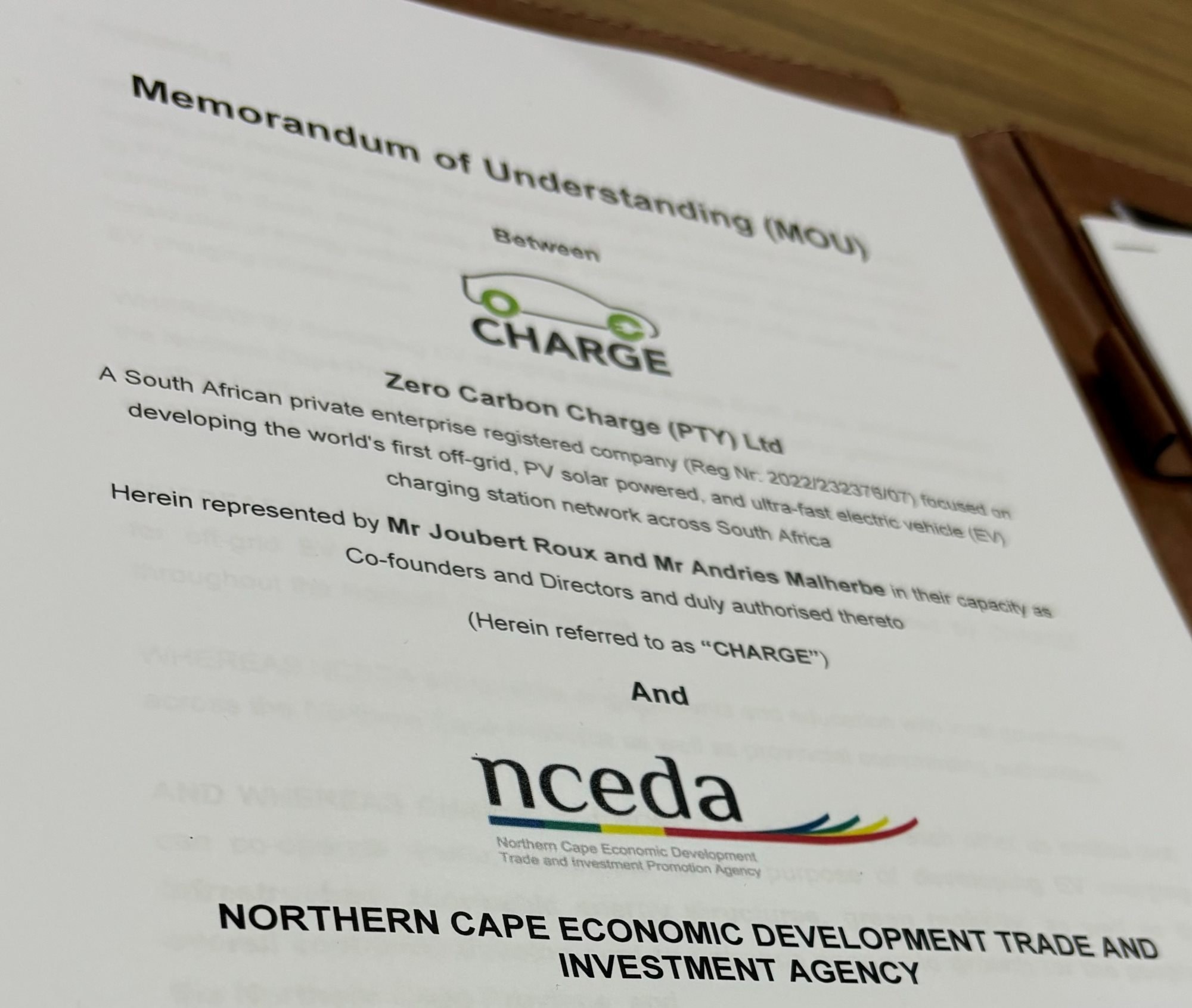
Zero Carbon Charge signed a formal MOU with the Northern Cape Economic Development Trade and Investment Promotion Agency (NCEDA) to drive the roll-out of off-grid, ultra-fast EV-charging stations for the Northern Cape.
This MOU represents a significant step forward in NCEDA supporting Zero Carbon Charge’s private investment by formalising a system that will help cut through any red tape, ensuring a smoother, faster implementation of this ground-breaking project.
The agreement is in no way a financial cooperation, as Zero Carbon Charge is the sole funder of the project, while NCEDA will act in a facilitation and project-streamlining role.
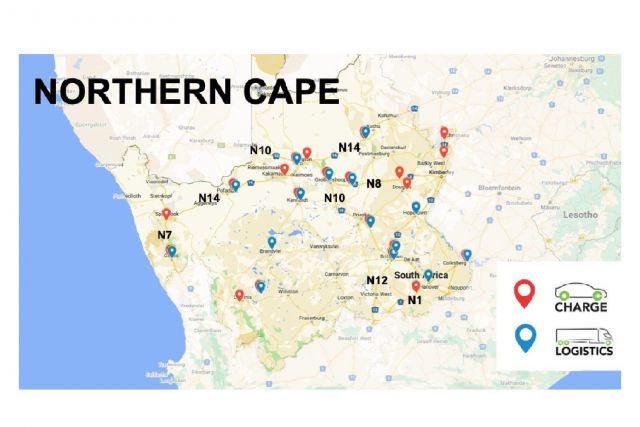
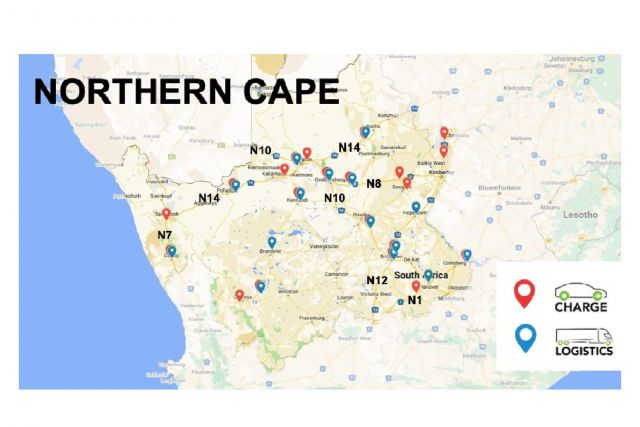
Zero Carbon Charge (ZeroCC) officially rolled out the Northern Cape development of 21 off-grid electric passenger and light commercial vehicle charging stations and 15 electric off-grid truck charging stations in the province.
This infrastructure development will be a multi-billion-rand investment, of which the electric vehicle charging sites for passenger vehicles are expected to be completed and operational by September 2025.
The electric truck charging stations are in the permitting process and development will commence upon approval. Given the experience with delayed land use and environmental permitting processes, ZeroCC has given the truck development process 36 months to be developed.



The 36 EV-charging stations will be off-grid and powered by Solar PV, meaning they will be completely independent of Eskom’s largely coal-powered grid, making them 100% green and loadshedding-proof.
The 36 sites will form part of South Africa’s first network of 120 electric passenger and light commercial vehicle and 120 electric truck renewable charging stations, strategically spaced across national and provincial highways across the country, which are currently being developed by ZeroCC and Zero Carbon Logistics.
The latest predictions by motor and energy industries stakeholders indicate that there will be around 120 000 EVs on South Africa’s roads by 2027 and 360 000 EVs by 2030.
“We are incredibly excited that construction on ZeroCC’s charging stations will soon be underway. This national off-grid charging network will help absorb the huge demand created by the uptake of EVs in the next few years, and is therefore critical for the future stability of South Africa’s power grid,” said Joubert Roux, Executive Chairperson of ZeroCC.
Each of these facilities will also serve as a major economic boost to local communities in the Northern Cape. Landowners will earn 5% of the revenue generated from vehicles charging on their land, whilst 1% of the revenue will also be reinvested in local socio-economic development initiatives.
Critical to the mass development of an off-grid charging network is the creation of a conducive regulatory environment that encourages innovation and the transition towards cleaner energy sources.
One of the reasons ZeroCC is able to launch 36 EV-charging sites in the province, is because of the efficiency of the Northern Cape Provincial Government and support from the Northern Cape Economic Development Agency (NCEDA) in getting the necessary planning and environmental approvals in place.
The terms and conditions for the competition for a Vezopay Ring, naamsa Autoweek 2026.
Nearly a decade after entering the South African market, JAC Motors South Africa is preparing for its next phase of growth through a substantial investment in new facilities at the Lanseria Smart City development.
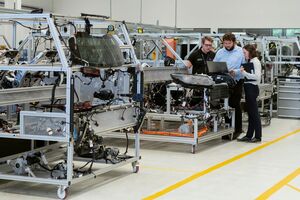
A recent Constitutional Court judgment has delivered significant legal certainty for South Africa's motor industry, reinforcing the protection of employee retirement benefits and strengthening the integrity of industry collective agreements.
 Advertisement
 Advertisement
Have you ever noticed that anybody driving slower than you is an idiot, and anyone going faster than you is a maniac?
George Carlin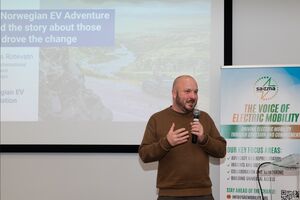
The South African Electric Mobility Association (SAEMA) has officially launched as the country’s collective body for electric mobility, marking South Africa’s entry into a global movement of nations with dedicated representation.
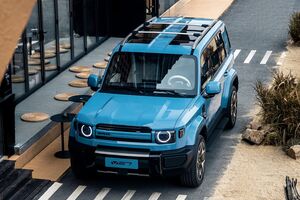
Range anxiety remains one of the main concerns for motorists considering a switch to electrified vehicles, particularly in markets where charging infrastructure is still developing. iCAUR believes its new V27 SUV offers an alternative by combining electric driving capability with extended driving range through a range-extender powertrain.
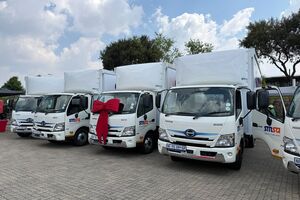
SMSA Africa Logistics Group has added five Hino 300 diesel electric hybrid trucks with van bodies to its fleet, following a two-year trial of three such trucks in its delivery operation.